



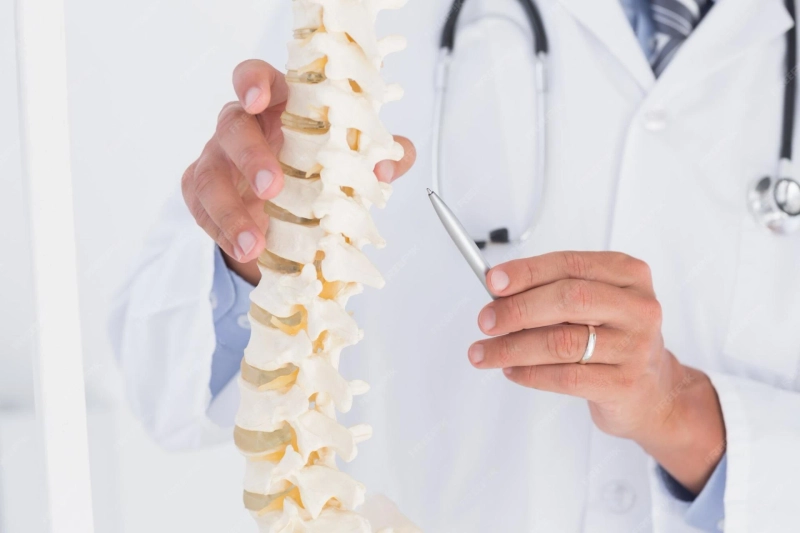
Spinal disorders can cause long-term pain, limited movement, and nerve-related complications that affect everyday life. When conservative treatments such as medication, physiotherapy, and lifestyle changes fail to provide relief, surgical intervention may be recommended. Spine Surgery Treatment has advanced significantly over the years, offering safer techniques and improved outcomes for patients with complex spinal conditions.
This blog explores the benefits, risks, and success outcomes associated with spine surgery to help patients make informed decisions.
Understanding the Purpose of Spine Surgery
The primary goal of spine surgery is to relieve pressure on nerves, stabilize the spine, and correct structural abnormalities. Common conditions treated surgically include:
- Herniated discs
- Spinal stenosis
- Degenerative disc disease
- Spinal instability
- Deformities such as scoliosis
Choosing the appropriate Spine Surgery Treatment depends on accurate diagnosis and symptom severity.
Key Benefits of Spine Surgery
Modern surgical techniques have transformed patient experiences and recovery. Some major benefits include:
Pain Relief
Surgery can significantly reduce or eliminate chronic pain by addressing the root cause.
Improved Mobility
Relieving nerve compression often restores movement and flexibility.
Enhanced Quality of Life
Patients regain independence and return to daily activities.
These outcomes align with the principles highlighted in Spine Surgery Benefits Explained, especially when surgery is performed for the right indications.
Spine Surgery Benefits Explained in Detail
Understanding Spine Surgery Benefits Explained helps patients feel confident about treatment choices. Benefits often include:
- Long-term symptom relief
- Reduced need for ongoing pain medication
- Improved posture and balance
- Better sleep and mental well-being
When carefully planned, surgery can provide lasting results rather than temporary relief.
Potential Risks Associated With Spine Surgery
While surgery is generally safe, all procedures carry some risks. These may include:
- Infection
- Bleeding
- Nerve damage
- Delayed healing
- Scar tissue formation
The likelihood of complications depends on patient health, surgical complexity, and post-operative care. Discussing risks openly is a crucial part of Spine Surgery Treatment planning.
Advances That Reduce Surgical Risks
Technological advancements have improved safety and precision. These include:
- Minimally invasive techniques
- Advanced imaging and navigation systems
- Improved anesthesia and pain management
Such innovations contribute to better outcomes and reinforce the concepts within Spine Surgery Benefits Explained.
Success Rates and Outcome Expectations
Success is measured by pain reduction, improved mobility, and patient satisfaction. Most individuals experience noticeable improvement within weeks to months following surgery.
However, realistic expectations are important. Surgery aims to relieve symptoms, not necessarily restore the spine to a pre-condition state. This balanced understanding supports better long-term satisfaction after Spine Surgery Treatment.
Factors That Influence Surgical Success
Several factors affect outcomes, including:
- Early and accurate diagnosis
- Choice of surgical technique
- Surgeon expertise
- Patient commitment to rehabilitation
Adhering to recovery guidelines maximizes the benefits of Spine Surgery Treatment.
Recovery and Rehabilitation
Recovery is a gradual process involving pain management, physical therapy, and lifestyle modifications. Patients are encouraged to:
- Follow prescribed exercises
- Maintain proper posture
- Avoid heavy lifting initially
Rehabilitation plays a vital role in sustaining the benefits described in Spine Surgery Benefits Explained.
Emotional and Psychological Considerations
Chronic pain can take a mental toll. Many patients report improved mood and confidence after successful surgery, as pain relief restores independence and daily comfort.
A supportive care team helps patients navigate both physical and emotional recovery.
When Spine Surgery May Not Be Suitable
Surgery may not be appropriate for mild conditions or pain caused by muscle strain. In such cases, non-surgical treatments remain effective.
A thorough evaluation ensures Spine Surgery Treatment is recommended only when the potential benefits outweigh the risks.
Long-Term Outcomes and Lifestyle Changes
Sustained success requires ongoing care, including:
- Regular physical activity
- Weight management
- Ergonomic workplace habits
These measures help maintain results and prevent future spinal problems.
Conclusion
Deciding to undergo spine surgery is a significant step that requires careful consideration. Spine Surgery Treatment offers substantial benefits for patients suffering from chronic pain and neurological symptoms when conservative care fails.
By understanding the risks, success factors, and insights shared through Spine Surgery Benefits Explained, patients can make informed decisions and move toward a healthier, more active life.