



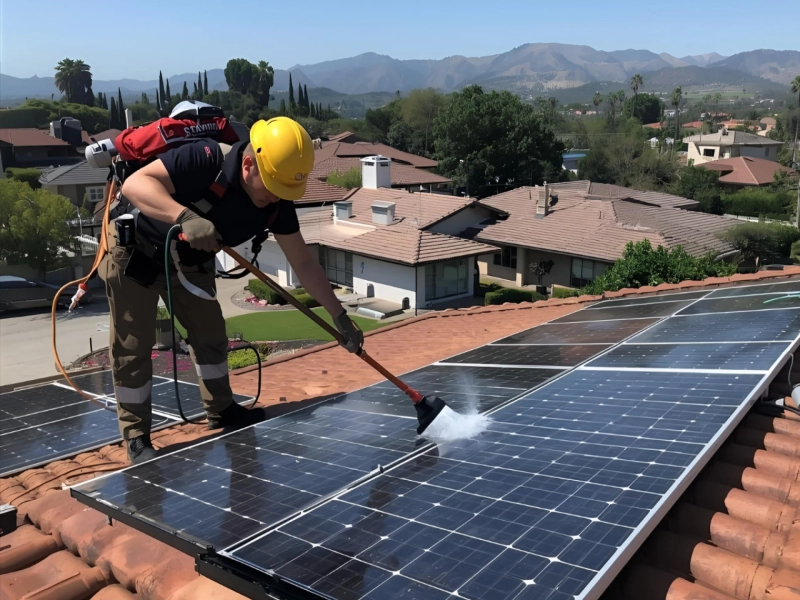

Solar panels are a long-term investment that promises decades of clean, renewable energy. However, to achieve maximum efficiency and lifespan, they require proper maintenance and care. Over time, dirt, dust, bird droppings, pollen, and debris can accumulate on the surface of solar panels, blocking sunlight and reducing the system’s energy production. Reimagining solar panel maintenance means adopting smarter, safer, and more efficient cleaning practices that keep your panels performing like new year-round.
Why Solar Panel Cleaning Matters
A clean solar panel is an efficient one. Studies show that dirty panels can lose up to 20% of their energy-generating capacity. This not only affects your power output but also impacts your return on investment. Regular maintenance ensures your solar system performs at peak capacity, converts sunlight efficiently, and continues to provide long-term savings.
Dust storms, pollen in spring, bird droppings, and heavy rains can all leave residues that shield panels from sunlight. While occasional rainfall may help rinse off some dirt, manual cleaning or professional maintenance is essential to remove stubborn grime.
Recommended Maintenance Frequency
For most homeowners, scheduling solar panel cleaning once or twice a year is sufficient. However, the frequency depends on your location and environmental factors. If you live in a high-dust region, near factories, or under trees, monthly inspections and quarterly cleanings might be needed.
Urban homes often face pollution buildup, while rural installations are more susceptible to pollen and organic debris. Keeping a regular inspection and cleaning routine ensures any issues are addressed before they impact performance or cause permanent damage.
The Modern Approach to Solar Panel Cleaning
Modern solar panel maintenance has evolved beyond old-fashioned scrubbing and risky rooftop work. The latest reimagined cleaning methods combine technology, safety, and sustainability.
1. Use Proper Cleaning Tools
Avoid abrasive materials and harsh chemicals at all costs. Instead, opt for soft microfiber cloths, silicone squeegees, or non-abrasive brushes. Use a hose with a gentle stream of water—never a high-pressure washer—as strong force can damage cells or loosen wiring.
2. Choose the Right Timing
clean panels early in the morning or late in the evening when they’re cool. Cleaning panels under direct sunlight causes water to evaporate quickly, leaving streaks or residue that attract more dust.
3. Use Pure or Deionized Water
Using water with high mineral content can cause deposits on the glass surface. Deionized or distilled water is ideal, ensuring efficient rinsing without leaving streaks or hard water spots.
4. Adopt Waterless Cleaning Systems
Eco-friendly maintenance has become increasingly popular. Waterless solutions use biodegradable cleaning agents that lift dirt while protecting the panel surface. These systems save water and are convenient for large arrays or remote locations.
5. Consider Automated Cleaning Robots
In commercial or large-scale setups, cleaning robots offer an advanced solution. They use soft brushes and air blowers to remove dust without the need for manual labor or excess water. Automation ensures consistent upkeep, especially in solar farms and rooftop setups.
Why Professional Maintenance Is Worth It
While DIY cleaning may seem tempting, professional services offer precision and safety. Trained technicians inspect your system for cracks, loose wiring, or corrosion—issues that might otherwise go unnoticed. Professionals also follow manufacturer guidelines to maintain your warranty and avoid accidental damage.
Professionals typically include:
Comprehensive performance checks.
Visual inspection for wear and tear.
Complete system wash using industry-standard cleaning tools.
Documentation of maintenance work for warranty purposes.
Proactive Maintenance Tips
Keep nearby trees trimmed to avoid shade and leaf buildup.
Use a solar monitoring app to track efficiency and detect dips in energy output.
Inspect mounts and brackets to ensure they’re secure.
Protect inverter components from excessive moisture.
Recheck after harsh weather conditions for debris or damage.
Safe Cleaning Practices
Safety is crucial when maintaining rooftop solar panels. Always turn off your solar system before cleaning to eliminate electrical risks. Use stable ladders, harnesses, and proper footwear. If the roof slope is steep or access is challenging, it’s best to call professionals equipped with safety gear and insurance coverage.
The Future of Solar Panel Upkeep
The future of solar maintenance lies in smart monitoring and predictive care. Smart technologies now track system performance and send alerts when cleaning or checks are required. Paired with automated cleaning robots, these innovations significantly minimize downtime and labor costs.
Conclusion
Reimagining solar panel maintenance means embracing innovation, sustainability, and consistent care. Clean panels not only improve energy efficiency but also extend the lifespan of your investment. Whether through waterless cleaning methods, professional maintenance, or automated technologies, keeping your panels spotless ensures you get the most out of your solar power system for decades to come.