



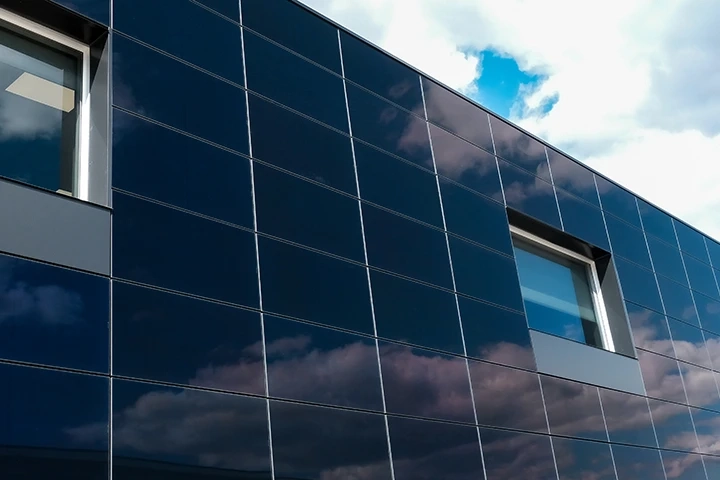
Solar cladding panels integrate photovoltaic technology directly into a building's exterior, allowing structures to generate electricity while serving as protective façade material. This approach transforms traditional building envelopes into energy-producing surfaces, combining functionality with sustainable design. Solar panel cladding offers an efficient, aesthetic alternative to rooftop solar installations by embedding solar cells into walls, windows, or facade panels.
The installation process is typically streamlined, with pre-fabricated systems designed for quick mounting and electrical connection, often handled by certified professionals. Solar cladding can also improve insulation, reduce noise, and contribute to thermal regulation, making it a multifunctional building component.
With growing interest in energy-efficient architecture, solar cladding panels are becoming a practical solution for new and existing buildings alike. They help reduce energy costs and carbon footprint while maintaining modern design standards through customizable configurations.
Overview of Solar Cladding Panels
Solar cladding panels combine energy generation and building protection in one system. They come in different forms that suit various architectural styles and functional needs. Integration methods vary to optimize both aesthetics and energy efficiency without compromising the building envelope.
What Are Solar Cladding Panels?
Solar Panel Cladding panels are exterior building materials embedded with photovoltaic cells. They convert sunlight into electricity while serving as protective facade components. Unlike traditional solar panels mounted on roofs, these panels replace or cover building walls or facades directly.
These panels provide dual functionality: power generation and external wall protection against weather and thermal loss. This makes them practical for sustainable building design. They are suited for both new construction and retrofit projects.
Types of Solar Panel Cladding
There are several types of solar cladding panels:
- Solar shingles: Designed to resemble traditional roofing materials, offering seamless integration.
- Photovoltaic (PV) facade panels: Large flat panels installed vertically on building exteriors.
- Solar glass or windows: Transparent or translucent panels that allow light while generating electricity.
Each type varies in installation method, energy output, and aesthetic impact. Some systems are ventilated to improve thermal performance and reduce moisture buildup.
How Solar Cladding Integrates With Building Exteriors
Solar cladding integrates with existing or new building envelopes as part of the facade or roof covering. Installation often involves certified partners handling insulation, electrical connections, mounting, and finishing to create a weather-tight system.
Ventilated solar facades create an air cavity between cladding and insulation, improving thermal regulation. Integration also supports noise reduction and additional insulation properties. These systems are adaptable to different architectural styles and materials, such as metal, glass, or composite panels.
Performance, Installation, and Design Considerations
Solar cladding panels combine energy generation with building protection. Their effectiveness depends on energy output, careful installation methods, adaptable design choices, and durable maintenance practices.
Energy Efficiency and Output
Solar cladding panels are designed to optimize photovoltaic conversion while serving as building exteriors. Their energy output varies with panel efficiency, orientation, and shading conditions.
Many systems use building-integrated photovoltaics (BIPV) that enable seamless energy capture without separate mounting. Efficiency ranges typically between 15% and 22%, influenced by panel technology and environmental factors.
Ventilated facade designs with air cavities behind the cladding improve thermal regulation, reducing system temperature and enhancing energy yield. This reduces losses related to heat buildup compared to traditional solar arrays.
Installation Processes and Requirements
Installation involves mounting panels onto the building exterior using frames or rail systems tailored to the structure. Certified installers handle electrical connections, insulation integration, and sealing against moisture.
Pre-fabricated facade modules can speed up installation, minimizing on-site labor and errors. Coordination between electrical, structural, and architectural teams is critical to ensure compliance with building codes and optimal system performance.
Preparation includes structural assessment to support panel weight and integration with weatherproofing layers. Integration often requires precise alignment to maintain facade aesthetics and functional air gaps.
Design Options and Aesthetic Impact
Solar cladding panels come in various materials such as metal, glass, or composite, offering design flexibility. This makes it possible to match architectural styles while incorporating solar power.
Panels can be customized in color, size, and pattern, allowing coherent building facades without compromising energy production. These options support retrofit projects as well as new constructions aiming for sustainability certifications.
They serve dual purposes: protecting the building envelope and generating electricity, adding functional beauty. Proper collaboration between designers and engineers is necessary to balance visual impact and technical performance.
Longevity and Maintenance of Solar Cladding Panels
Solar cladding panels generally offer decades of service life with minimal degradation in output. Durable materials and protective coatings contribute to resistance against weathering and corrosion.
Routine cleaning helps maintain photovoltaic efficiency by removing dust and debris. Maintenance plans may include periodic electrical inspections to detect and address faults.
Ventilated facades reduce moisture buildup, preventing damage to insulation and structural components underneath. Well-installed cladding systems reduce risks of leaks and thermal bridging, supporting long-term building durability.