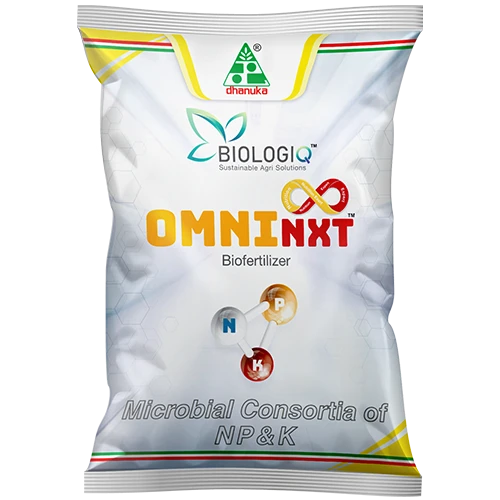
Healthy crops start with healthy soil. Today, bio nutrients for plants, especially those based on beneficial microbes, are changing the way farmers and gardeners feed their fields. Microbial soil enhancers and microbial fertilisers deliver nutrients naturally, improve soil structure, and boost plant resilience. In this article, you’ll learn what these products are, how they work, why they matter, and practical ways to use them for stronger, more productive crops.
What are soil microbial bio nutrients?
Soil microbial bio nutrients are living organisms or products derived from them that enhance soil fertility and plant nutrition. They include bacteria, fungi (like mycorrhizae), and beneficial protozoa, as well as formulations containing their metabolites. Rather than delivering nutrients in a straight chemical form, these bio inputs improve nutrient availability and uptake by:
- Fixing atmospheric nitrogen (e.g., Rhizobium, Azotobacter).
- Solubilizing phosphorus and micronutrients (e.g., phosphate-solubilizing bacteria).
- Producing plant growth-promoting substances (hormones, enzymes).
- Building healthy soil microbiomes that cycle organic matter and improve structure.
Because they work with nature’s cycles, microbial products are often labeled as natural nutrients for plants and fit well into organic, regenerative, and precision farming systems.
Key categories: microbial fertilizers & microbial soil enhancers
There are two overlapping product types to know:
Microbial fertilizers
These are bio-based formulations that contain beneficial microbes which directly support plant nutrition, for example, nitrogen-fixing inoculants for legumes or phosphate-solubilizing bacteria for cereals. They act as both a living supplement and a long-term fertility strategy.
Microbial soil enhancers
These focus on improving the soil environment so plants can access nutrients more efficiently. Mycorrhizal fungi are a classic example: they extend root reach, access immobile nutrients, and improve water uptake. Other enhancers include compost teas, bio-stimulants derived from microbes, and multi-strain inoculants that restore soil biology.
Benefits of using microbial bio nutrients
Improved nutrient use efficiency
Microbes make bound nutrients such as phosphorus, zinc, and iron become more accessible as microbes solubilize and chelate them. That means less reliance on high doses of chemical fertilizers and better return on every input.
Stronger root systems and better establishment
Mycorrhizae and certain bacteria stimulate root growth and branching. Deeper, denser roots mean improved drought resilience and better uptake of water and nutrients throughout the season.
Enhanced soil health and structure
Microbial activity increases organic matter breakdown, aggregate formation, and aeration. Over time, this improves water infiltration and reduces erosion, a core benefit of natural nutrients for plants.
Lower input costs and environmental footprint
Because microbial fertilizers increase nutrient availability, farmers can often reduce synthetic fertilizer rates without sacrificing yield. This reduces costs, runoff, and greenhouse gas emissions.
Disease suppression and plant vigor
Beneficial microbes can outcompete or inhibit pathogens through competition, antibiosis, or induced systemic resistance, helping crops stay healthier with fewer chemical interventions.
Practical uses and application tips
To get the most from microbial solutions, follow these best practices:
- Start with a soil test. Know your pH, organic matter, and nutrient status. Many microbes (especially phosphate-solubilizers) perform best in near-neutral pH; liming acidic soils can improve results.
- Choose the right product for the crop and problem. Use Rhizobium for pulses, Azotobacter for cereals, mycorrhizae for low-phosphorus soils and transplant crops, and multi-strain biofertilizers for general soil restoration.
- Inoculate seeds or seedlings. Many microbial fertilizers are applied as a seed coat or seedling root dip, which puts microbes where they can establish quickly.
- Apply with organic amendments. Compost, farmyard manure, and green manures provide food for introduced microbes and help them persist.
- Avoid overusing harsh chemicals. Broad-spectrum soil fumigants or high rates of copper/sulfur fungicides can reduce beneficial microbial populations. Time applications carefully.
- Use compatible tank mixes and follow label instructions. Some microbes are sensitive to heat, UV, or certain agrochemicals. Check manufacturer guidance for compatibility and shelf life.
Real-world farming advantages
Adopting microbial solutions can support multiple farming goals simultaneously. For smallholders, affordable biofertilizers offer a cost-effective way to raise yields and soil fertility. For large-scale operations, microbial soil enhancers integrated into crop nutrition programs reduce dependence on imported fertilizers and help meet sustainability targets. In horticulture and transplant production, microbial inoculants speed establishment and reduce shock, improving uniformity and marketability.
Common myths and how to avoid disappointment
- Myth: Microbial products always give instant yield gains.
- Reality: Microbes often improve resilience and efficiency over time. Expect gradual improvement in soil health and consistent gains across seasons.
- Myth: One product fits all soils and crops.
- Reality: Microbial communities are specific and choose products tailored to your soil type, crop, and climate.
- Myth: Microbes replace fertilizers entirely.
- Reality: Microbial fertilizers work best as part of an integrated nutrient plan, complementing reduced, targeted inorganic inputs rather than replacing them overnight.
Integrating microbial inputs into an IPM & nutrient plan
For best results, incorporate microbial bio nutrients into an Integrated Plant Nutrition (IPN) and Integrated Pest Management (IPM) framework. Use soil tests and crop monitoring to time microbial fertilizer applications with critical growth stages (e.g., seedling, early vegetative, and transplanting). Combine with cover crops, minimal tillage, and organic amendments to create a supportive environment for beneficial microbes.
Future outlook: where microbial nutrients fit in modern agriculture
Research and commercial innovation are making microbial products more consistent, shelf-stable, and targeted. Advances in strain selection, formulation technology, and precision application (seed coatings, granular inoculants, and foliar bio-stimulants) are turning bio nutrients for plants into predictable tools for yield optimization and sustainability. As farmers and agronomists adopt data-driven nutrient plans, microbial soil enhancers will become a core part of resilient, climate-smart farming systems.
Conclusion
Microbial soil enhancers and microbial fertilizers are powerful, natural ways to feed crops while rebuilding soil health. By integrating these bio nutrients for plants into crop nutrition strategies, growers can enhance nutrient uptake, strengthen roots, reduce chemical dependence, and improve long-term productivity. Whether you’re a smallholder, commercial farmer, or home gardener, adopting microbial solutions paired with good soil management is a practical path toward more sustainable, profitable agriculture.
FAQs
What are microbial bio nutrients for plants?
Microbial bio nutrients are living microorganisms that enhance nutrient availability, soil health, and plant growth naturally.
Are microbial fertilizers better than chemical fertilizers?
They don’t replace chemical fertilizers instantly, but they improve nutrient efficiency and reduce dependency over time.
How do microbial soil enhancers work?
They improve soil structure, root strength, nutrient cycling, and microbial diversity, helping plants absorb water and nutrients efficiently.
Can microbial nutrients be used in organic farming?
Yes, they are widely approved in organic and regenerative farming systems.
How long do results take?
Results vary but typically appear after 2–6 weeks, depending on soil condition and crop type.
Can I apply microbial fertilizers with chemical fertilizers?
Yes, but apply chemicals selectively and avoid mixing with incompatible pesticides or high-salt fertilizers.
Do microbial bio nutrients improve drought tolerance?
Yes, they help plants grow deeper roots and retain soil moisture more effectively.
Which crops benefit most from microbial enhancers?
Vegetables, cereals, fruits, orchards, plantation crops, and greenhouse crops all see strong benefits.
How often should microbial products be applied?
Most require seasonal or crop-stage-based applications such as seed coating, transplant treatment, or early vegetative sprays.
Are microbial nutrients cost-effective?
Yes, farmers can reduce input costs and improve yield, making them highly cost-efficient long-term.