



Smartwatches vs ECG – What They Miss
Users embrace smartwatches because these devices let them monitor their heart rate and track their daily physical movement activities while their heart health monitoring system depends on these devices for survival. People use these devices to learn about things in their environment yet they tend to confuse them with medical devices. Smartwatches perform operations which differ completely from ECG machines so users need to understand their smartwatches lack particular features to avoid dangerous situations from false security.
What Smartwatches Measure
Most smartwatches use optical sensors to track pulse by detecting blood flow under the skin. The device lets you perform a single-lead ECG through finger contact which completes the electrical path. The system tracks heart rate patterns through its features but it only identifies abnormal rhythms such as atrial fibrillation without showing the heart's complete electrical activity.
Electrical Signals vs Pulse Signals
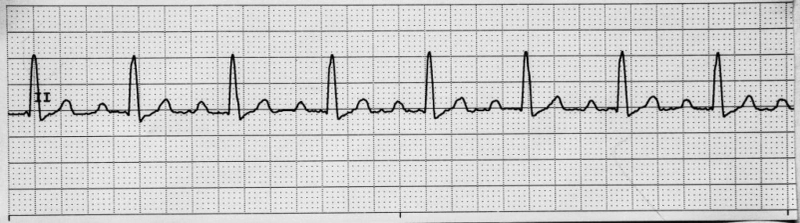
The main restriction of optical sensors emerges because they track blood circulation instead of detecting how the heart generates its electrical signals. The ECG function which smartwatches include displays only one electrical lead during short recording sessions which span a few seconds. Medical ECGs use multiple leads which come from various angles to create detailed heart electrical signal maps that show how the heart produces its electrical signals.
What Smartwatches Cannot Detect
Smartwatches lack the ability to detect heart attacks and ischemia and ST changes and heart blocks and axis deviations and ventricular enlargement and electrolyte-related ECG changes with any degree of reliability. Serious medical conditions will appear as changes in ECG waveforms while heart rate stays stable so smartwatches will continue to show normal readings.
False Reassurance Risk
Smartwatches which display regular heart rhythm readings fail to detect medical conditions that cause chest pain and breathing difficulties. Medical staff can detect cardiac emergencies through ECG patterns before these conditions impact pulse rate which means wearable device data alone will not help in emergency situations.
The ECG patterns which precede cardiac emergencies become visible before pulse rates show any changes. The delay in obtaining proper medical treatment occurs because wearable device data lacks essential emergency
Where Smartwatches Help
Smartwatches are excellent for tracking trends, promoting fitness, and alerting users to unusual palpitations. They raise awareness but are not meant for diagnosis.
Why ECG Is Still Essential
A proper ECG analyzes P waves, PR interval, QRS complex, ST segment, and rhythm patterns in detail. This level of diagnostic information is what doctors rely on to identify heart problems accurately.
The Right Way to Monitor Your Heart
Smartwatches function as helpful wellness tools which users should not rely on more than ECG testing when they experience chest pain or dizziness or palpitations or breathlessness. The correct interpretation between these two concepts enables medical professionals to maintain diagnostic accuracy when they need to make critical clinical decisions.