





Why Automation Is Becoming the New Standard
Anyone who has owned a pool in Phoenix for more than a season knows that the weather here is relentless. The heat, the dust, the hard water, and the long swim season put wear on every part of a pool system. Years ago, pool owners relied on timers, guesswork, and a whole lot of manual checks just to keep things running. Today, that’s shifting. More homeowners are turning to automation because it cuts out the hassle and keeps a pool steady even when the weather refuses to cooperate.
Automation is not a luxury anymore. It is becoming the smartest way to protect an investment, especially when you consider how quickly small changes in water balance or circulation can affect equipment. A system that adjusts itself in real time simply performs better than one that depends on someone remembering to flip a switch at the right moment.
What Automation Actually Does
People often picture automation as an app on a phone. That’s part of it, but the real value is what happens behind the scenes. Automated controllers regulate pump speeds, manage temperature settings, and keep water chemistry stable through measured dosing. Instead of checking chlorine levels every day, a smart feeder handles it. Instead of running a pump at full speed all day, a variable speed pump adjusts itself, saving energy without sacrificing circulation.
These systems help prevent common issues like inconsistent flow, heater strain, or premature wear on seals and fittings. When paired with swimming pool equipment installation, the setup becomes even more reliable because the components work as a unified system rather than separate parts fighting against one another.
Why Phoenix Pools Benefit the Most
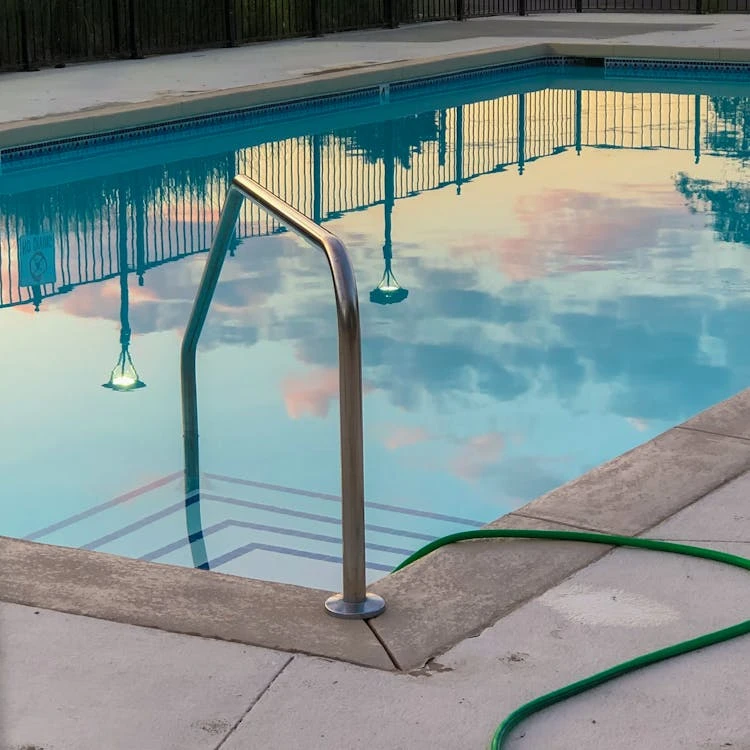
Phoenix pools deal with conditions that make automation especially helpful. Long stretches of heat can cause water to evaporate quickly, which affects balance. Dust storms drop debris that settles faster than most people can skim it. Hard water leaves calcium residue on tiles and surfaces. And because pools run longer here, pumps and heaters experience more hours of active use.
With automated systems, circulation adjusts automatically during peak heat. Smart chemical feeders respond to changes in evaporation. And self-monitoring equipment can alert homeowners when something needs attention before it becomes a major repair. It creates a type of protection that manual routines rarely achieve.
How Automation Prevents Costly Repairs
One of the biggest misconceptions is that automation is just for convenience. But it plays a major role in preventing expensive repairs. When circulation stays consistent, pumps last longer. When the temperature stays steady, heaters do not experience the same ups and downs that often cause breakdowns. When chemical levels remain stable, plaster and tile last longer, and the need for pool tile repair is reduced.
Even issues like small leaks grow slower when equipment runs smoothly because the system isn’t being pushed past its limits. And during professional pool inspection appointments, technicians can access performance logs that reveal early signs of pump strain or circulation irregularities.

Bringing Automation Into Older Pools
A common question is whether older pools can be upgraded. The short answer is yes. In most cases, a modern controller can be installed alongside existing plumbing and electrical layouts. When necessary, the technicians may suggest updates like pool filter replacement or adjustments to pump size so the automation works correctly. But the core idea stays the same. You improve what’s already there without rebuilding the entire pad.
Homeowners who have chosen upgrades often say the same thing. They didn’t realize how much time they spent maintaining their pool until the new system took over.
How AZ’s Best Pool Service & Repair Helps Homeowners Upgrade
AZ’s Best Pool Service & Repair has been installing automation systems for years, and they approach each upgrade with practical experience earned through long hours in Phoenix’s unique environment. They understand how dust affects sensors, how heat affects pump speed, and how older plumbing can influence newer equipment. Their technicians are trained to evaluate the full system before recommending changes so the automated setup runs smoothly from day one.
Their team handles everything from pool equipment installation to pool pump repair, controller setup, and long-term local pool maintenance support. They can also integrate automation with existing heaters, lights, and cleaning systems, giving homeowners a single, easy-to-use control hub.
Talk to the Experts About Modernizing Your Pool
Homeowners who want cleaner water, better efficiency, or fewer unexpected repairs can benefit from an automated system. AZ’s Best Pool Service & Repair can walk you through the options and recommend upgrades that fit your pool’s age, size, and daily use. Their technicians help Phoenix residents stay ahead of seasonal changes and keep every system running smoothly.
Reach out to AZ’s Best Pool Service & Repair to schedule an evaluation and see how automation can make pool ownership easier and more reliable all year long.