



Introduction
Up until October 2023, the data is trained on. The use of data in an increasingly driven world continues to study and even predict how visitors move in a physical space. While it remains a security concern, it is now increasingly a means to strategize efficiencies, engagement, and the experience. AI-powered technologies have been used by organizations to unlock potential power through real-time insights and predictive analysis. One very promising innovation in the field includes predictive visitor movement with AI streams.
The Rise of Intelligent Visitor Movement Tracking
For decades, visitor flow has been recorded with cameras, manual logs, or static badge systems. All these methods have a simple data input without having necessary depth and dynamism for real-time or proactive planning.
While these methods do provide, if anything at all, very shallow data, only an AI-stream fed with live sensor data, camera feeds, and access control systems can really create that story. Considering the behavioral analysis with entry/exit frequencies and lengths of stay as well directional movement, it can derive inference about pathways to an impressive level of detail.
The environments, which are particularly valued, include:
- Corporate offices
- Government buildings
- Educational campuses
- Healthcare facilities
- Event venues
From Observation to Prediction
The traditional systems observe visitors being tracked after they have entered. A step ahead, AI-enabled visitor management provides future anticipation.
For instance, in a large facility, AI is capable of detecting early on that most of the visitors, within the time span of 9:00-9:30 AM, tend to make their way to Conference Room B. With adequate historical data, the system can adjust lights, HVAC, or even guide signs in anticipation of visitors to enter.
The reactive shift to proactive planning provides many benefits:
- Reduced congestion in the high-traffic areas
- Optimized resource allocation (security personnel, reception staff, etc.)
- Enhanced visitor experience through personalized guidance
- Improvements in safety and emergency response planning
How AI Streams Work Behind the Curtain
Real-time data feeds are at the innovation center, paired with machine learning algorithms that scan for historically learned movement patterns. These streams might include:
- Video analytics from surveillance cameras
- Badge scan data from access control points
- IoT sensors measuring footfall or environmental changes
- Wi-Fi or Bluetooth tracking of device locations (with consent)
Continuously learning from this data, the AI should improve its predictions in time. Importantly, privacy and data compliance are much more vital with identifiable movement tracking, which is why most advanced solutions operate under anonymized tracking and a transparent method for visitor consent.
In Real Life:
1. Corporate Headquarters
For large campuses, understanding visitor flow would help build an effective mechanism to manage lobby congestion, elevator utilization, and meeting rooms. AI assists even in forecasting peak entry and suggests staggering entry times to reduce crowding.
2. Healthcare Facilities
Hospitals and clinics benefit much from knowing the patient and visitor flow. Predictive information will assist in improving location search, reducing waiting times, and ensuring that paths of emergency access remain free of blockage.
3. Event Venues
In stadiums or convention centers, AI can model crowd control and predict times when traffic spikes are likely during the changeover between sessions or during half time. This data would allow teams to dynamically deploy ushers and signage.
4. Smart Buildings and Cities
At a larger level, AI-enabled visitor pathways will contribute to urban design and building planning. The knowledge with respect to human traffic will help planners improve layouts, signage, and even construction phasing.
Why It Matters Now
Contactless access, social distancing, and accurate real-time crowd monitoring in a post-pandemic world. Companies no longer want visibility - they want intelligent, flexible systems that can understand and enhance safety and experience.
Today's AI streams-based visitor management solution will bring that knowledge to the fold by not just saying who enters but predicting potential places and times of movement. They allow facilities to run at a much sharper and more responsive level.
Benefits at a Glance
Emerging Space Management
Real-time resource adjustments, HVAC, and lighting according to predicted visitor flow.
Improved Visitor Experience
Less confusion and waiting with an intelligent routing system and personalized wayfinding.
Secure and Emergency Planning Enhanced
Where people are going to be, not just where they have been.
Data-Driven Decision Making
Predictive movement patterns could lead to certain staffing, scheduling, and design decisions.
Compliance and accountability
Log audits while increasing transparency and safety.
What to Look for in a Visitor Management Solution
When contemplating applying movement prediction using artificial intelligence, make sure that the system has:
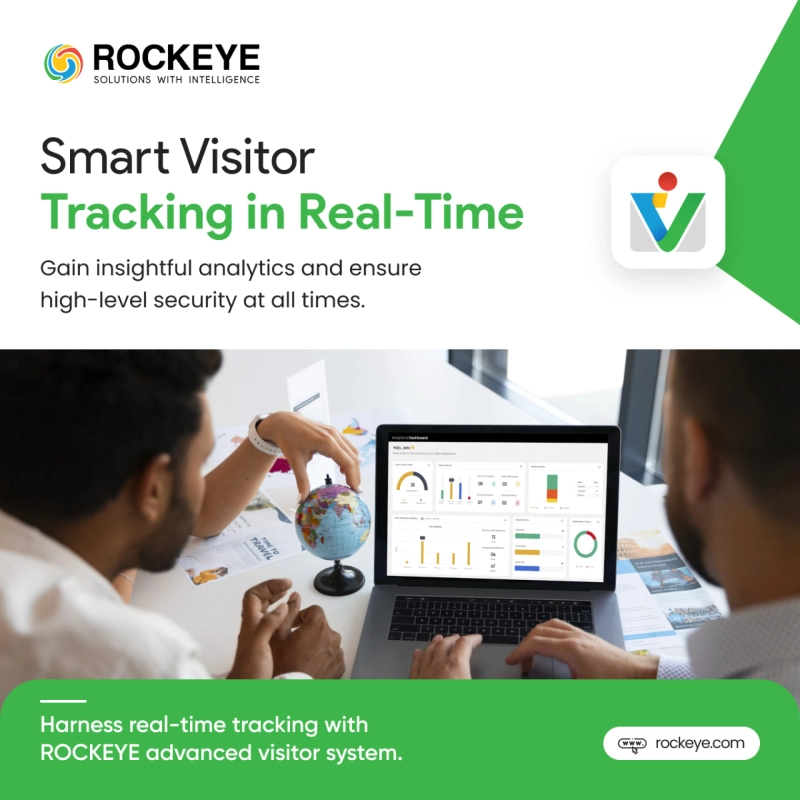
- Real-time analytics dashboard
- Customizable visitor workflows
- Integration with existing security or access control systems
- Scalability for multi-site or high-traffic areas
- Privacy compliance and anonymization protocols
The best systems are those that can be tailored to your organization's layout, types of visitors, and operational goals.
Final Thoughts
AI streams are very much there. Predicting visitor movements would give an edge over other spaces in terms of safety planning and experience design.
Predictive visitor management solutions will play a central role in creating more intelligent and adaptive environments as workspaces, campuses, and public venues evolve. The question isn't if one should adopt this technology; it is how quickly one can leverage its potential for staying ahead.