


Modern workplaces are evolving rapidly, and efficient collaboration has become the backbone of productivity. Yet, many organizations still struggle with poorly utilized meeting spaces, scheduling conflicts, and technical hiccups during important sessions. This is where smart meeting room management steps in — integrating advanced meeting room technology and office collaboration tools to create a seamless, data-driven environment for teamwork.
What Is Smart Meeting Room Management?
Smart meeting room management refers to the use of connected technologies like IoT devices, AI-based software, and digital interfaces to optimize how employees book, use, and manage meeting spaces. These systems bring automation and real-time insights into office operations, ensuring that every meeting is productive and every room is used efficiently.
Role of IoT Sensors in Smart Meeting Spaces
IoT (Internet of Things) sensors play a vital role in modern meeting rooms. They can detect occupancy, monitor environmental conditions like temperature and lighting, and even track energy usage. With real-time data, facilities teams can:
Identify underutilized rooms and reassign resources.
Automatically adjust lighting and air conditioning to save energy.
Provide a comfortable, ready-to-use meeting environment for employees.
IoT-driven automation not only improves comfort but also supports sustainability initiatives by reducing unnecessary energy consumption.
Streamlined Scheduling with Smart Booking Software
Gone are the days of double-booked meeting rooms and endless email chains. Smart booking software enables employees to reserve spaces instantly through integrated calendars, mobile apps, or interactive displays. These tools sync with popular platforms like Outlook or Google Workspace, allowing teams to view availability, cancel or reschedule meetings, and even receive automated reminders.
Key benefits include:
Real-time room availability updates
Reduced scheduling conflicts
Efficient use of meeting spaces
With analytics dashboards, managers can also review room usage patterns to plan space allocation more effectively.
Enhancing Visibility with Digital Signage
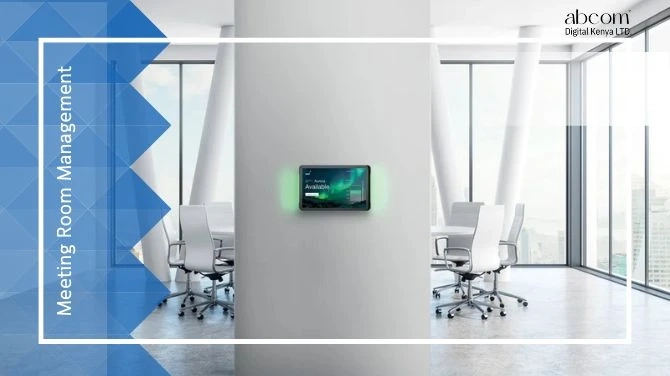
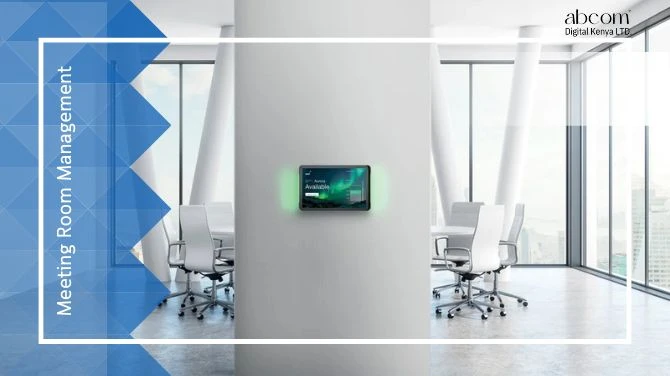
Digital signage outside meeting rooms provides a simple yet powerful visual tool. These displays show real-time room status — such as “available,” “in use,” or “reserved” — and upcoming meeting details. Touchscreen functionality allows on-the-spot bookings or cancellations, making collaboration smoother and reducing confusion.
In larger offices, digital wayfinding screens help employees and visitors easily locate meeting spaces, saving valuable time and minimizing interruptions.
AI Tools: The Future of Meeting Efficiency
Artificial Intelligence is transforming meeting room management by adding predictive and analytical capabilities. AI tools can suggest optimal meeting times based on participants’ schedules, analyze room usage trends, and even recommend ideal room setups depending on the meeting type.
Voice assistants and AI-powered transcription tools further enhance productivity by automating note-taking and summarizing meeting discussions. These innovations ensure that collaboration remains focused, efficient, and inclusive — even for remote participants.
How Smart Meeting Room Technology Improves Collaboration
Integrating smart systems into meeting rooms fosters a culture of efficiency and transparency. Employees can focus more on collaboration and less on logistics. The result is:
Faster decision-making through streamlined coordination
Fewer technical disruptions during meetings
Enhanced hybrid collaboration with video conferencing integrations
Data-driven insights for space planning and resource management
In short, smart meeting room management transforms traditional office setups into intelligent collaboration hubs.
Conclusion
The rise of meeting room technology marks a new era of office collaboration. Through the integration of IoT sensors, digital signage, AI-powered tools, and smart booking systems, organizations can maximize productivity and minimize wasted time. As businesses embrace flexible work models, adopting smart meeting room management solutions is no longer optional — it’s essential for building an agile, connected, and future-ready workplace.