



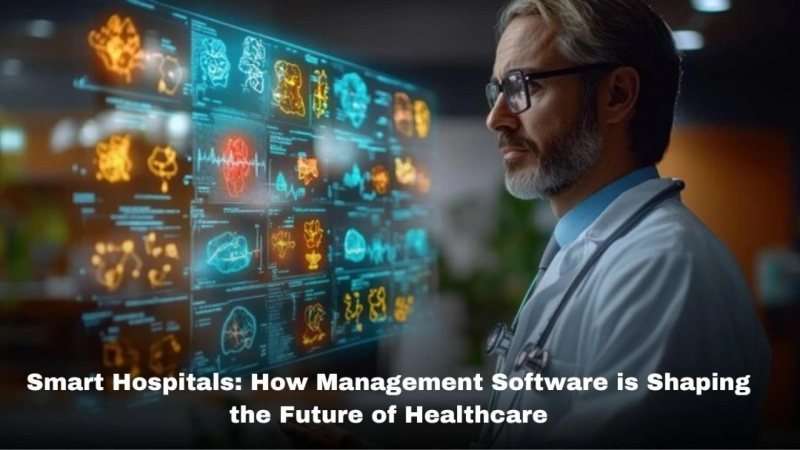
Healthcare institutions worldwide are undergoing a profound digital transformation, with smart hospitals emerging as the new standard for delivering patient care. At the heart of this evolution is hospital management software, a sophisticated solution streamlining operations, enhancing patient experiences, and empowering healthcare professionals to deliver better outcomes.
The Digital Backbone of Modern Healthcare
Today's hospitals face unprecedented challenges—rising costs, staff shortages, and increasing patient expectations. Management software is the digital backbone that helps healthcare facilities address these issues head-on. These comprehensive platforms integrate formerly siloed systems, creating a cohesive ecosystem where information flows seamlessly between departments. These solutions centralize data from electronic medical records software, diagnostic equipment, scheduling systems, and financial operations, providing administrators and clinicians with a holistic view of hospital operations. This integration eliminates redundancies, reduces manual paperwork, and allows staff to focus on what matters most: patient care.
Elevating Patient Experiences Through Technology
Intelligent software solutions that prioritize personalized care have revolutionized the patient journey. From digital check-ins that reduce wait times to automated appointment reminders that decrease no-shows, these technologies create smoother experiences at every touchpoint.
Patient portals now empower individuals to actively participate in their healthcare decisions by providing access to test results, medication information, and direct communication channels with their care providers. This transparency builds trust and encourages patients to become more engaged in their treatment plans, leading to better adherence and outcomes.
Data-Driven Decision-Making at the Point of Care
Clinical decision support systems embedded within hospital information management system have transformed how healthcare providers diagnose and treat patients. By analyzing vast datasets and applying artificial intelligence algorithms, these tools can identify patterns invisible to the human eye and suggest evidence-based treatment options.
Predictive analytics can now forecast patient deterioration before symptoms become severe, allowing for earlier interventions that save lives. Meanwhile, resource allocation algorithms help hospitals optimize staff scheduling, bed management, and equipment utilization based on anticipated demand, reducing bottlenecks and improving operational efficiency.
The Financial Health of Healthcare Institutions
Smart management solutions, including a robust hospital information system, have become instrumental in maintaining healthcare organizations' financial viability. Revenue cycle management features automate billing processes, reduce coding errors, and accelerate reimbursements. These improvements in financial workflows help hospitals maintain stability in an increasingly complex regulatory environment.
Cost containment measures powered by advanced analytics identify opportunities for savings without compromising care quality. From inventory management that prevents supply waste to energy-efficient building systems that reduce utility expenses, these technologies contribute to more sustainable healthcare operations.
Building the Hospital of Tomorrow
As we look to the future, hospital management software will continue evolving through innovations like ambient clinical intelligence, which captures doctor-patient conversations and automatically updates medical records. Blockchain technology promises to revolutionize data security and interoperability, while remote monitoring will extend hospital capabilities beyond physical walls.
Smart hospitals represent more than a technological upgrade—they embody a fundamental shift in healthcare delivery that prioritizes efficiency, accessibility, and patient-centered care. By embracing these management solutions, healthcare institutions aren't just preparing for the future—they're actively creating it.