


Slips, trips, and falls are among the most common causes of workplace injuries worldwide, resulting in significant financial and human costs. They can happen in virtually any environment—be it an office, factory, hospital, or even at home. Although these types of accidents are often seen as minor, they can cause serious injuries, leading to long-term physical damage, pain, or even death. Understanding the causes and implementing appropriate countermeasures is essential to mitigate these risks. This article explores the common causes of slips, trips, and falls and outlines effective preventive measures.
Understanding Slips, Trips, and Falls
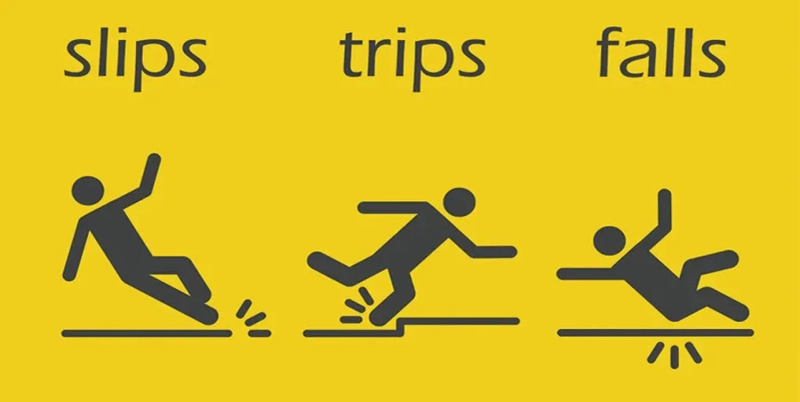
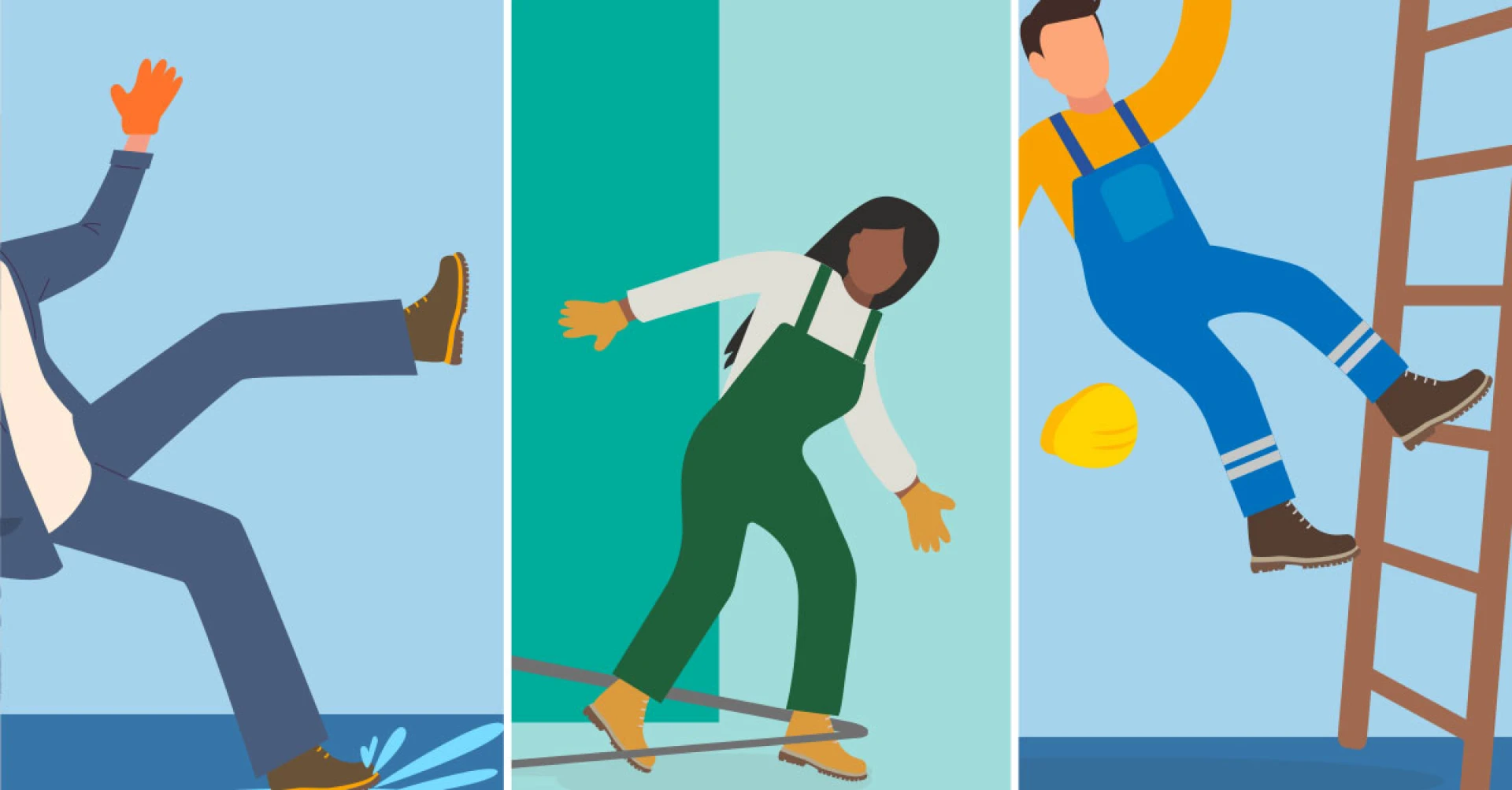
The terms "slip," "trip," and "fall" are often used interchangeably, but they each have specific meanings:
- Slips occur when there is too little friction or traction between the footwear and the walking surface. It can happen when someone is walking on wet floors, greasy surfaces, or areas with ice and snow.
- Trips happen when an obstruction or uneven surface causes a person’s foot to strike something, causing a loss of balance and a fall. This could include objects left on the floor, cords, or uneven flooring.
- Falls are the result of a person losing their balance or stability due to slipping or tripping, leading to a drop to the ground.
Each of these incidents can lead to injuries such as sprains, strains, fractures, concussions, and even fatalities, particularly among older individuals or those with pre-existing medical conditions.
Common Causes of Slips, Trips, and Falls
1. Wet or Slippery Surfaces
Wet floors or surfaces covered with grease, water, or ice are among the leading causes of slips. Kitchens, bathrooms, and corridors are high-risk areas where spills, leaks, or cleaning activities often leave floors slick. Outside walkways can also become hazardous during rain or snow.
2. Uneven Flooring and Walkways
A significant portion of trip accidents occurs due to uneven floors or sidewalks. Cracked tiles, raised carpet edges, potholes, or loose floorboards can create tripping hazards. Poorly maintained walkways and uneven outdoor paths in gardens or parking lots also contribute to these incidents.
3. Obstructions and Clutter
Objects left on the floor, such as boxes, tools, or cables, are frequent culprits. Walkways in offices or warehouses often become obstructed by improperly stored items, increasing the likelihood of tripping. In public spaces, clutter can also make it difficult for people to walk without risking a fall.
4. Inadequate Lighting
Poor lighting, especially in stairways, hallways, and parking lots, significantly increases the risk of slips, trips, and falls. When visibility is low, individuals are less likely to spot hazards, leading to more accidents.
5. Improper Footwear
Wearing shoes that don’t offer adequate grip or are too tight can cause slips. High heels, sandals, or shoes with smooth soles are particularly dangerous in environments prone to wetness or spills.
6. Fatigue and Inattention
When employees or individuals are tired, distracted, or rushing, they are more likely to overlook potential hazards. Slips and trips are often caused by momentary lapses in attention, such as walking while texting or being preoccupied with other tasks.
Impact of Slips, Trips, and Falls
The consequences of slips, trips, and falls can be severe. Injuries often require costly medical treatment, time off work, and rehabilitation. In more serious cases, permanent disability or loss of life may occur. Businesses face not only the direct costs of medical care but also indirect costs, such as loss of productivity, workers' compensation claims, and potential legal liabilities.
For employers, workplace safety is a critical aspect of ensuring productivity and morale. In regions such as Health and Safety London, Health and Safety Essex, and Health and Safety in Kent, companies are required to adhere to stringent regulations that mitigate these risks and protect workers.
Preventive Countermeasures
There are several measures that individuals and employers can take to reduce the risk of slips, trips, and falls. Below are some effective countermeasures:
1. Proper Housekeeping and Maintenance
Keeping work and public areas clean and clutter-free is one of the simplest ways to prevent these accidents. In high-traffic areas, spills should be cleaned up immediately, and warning signs should be put in place to alert people of the hazard. In workplaces, it is important to ensure that cables and cords are secured and that items are properly stored.
2. Surface Treatment and Maintenance
Ensuring that floors are in good condition is essential to preventing slips and trips. Floor surfaces should be maintained regularly, with cracks, dents, or broken tiles repaired promptly. In high-risk areas, anti-slip mats or coatings can be used to improve traction. For outdoor walkways, clearing ice and snow quickly is a must during winter months.
3. Adequate Lighting
Ensuring sufficient lighting in hallways, staircases, and outdoor walkways can significantly reduce the risk of falls. Installing motion-sensor lights or ensuring that existing lights are functioning can help in areas where visibility is often low.
4. Appropriate Footwear
Encouraging the use of slip-resistant footwear in environments prone to wet or slippery floors can reduce accidents. Businesses can consider implementing dress codes that require proper shoes, especially in industries like hospitality, construction, and healthcare.
5. Safety Training and Awareness
Workers should be regularly trained on how to recognize and avoid hazards. Providing safety seminars or workshops that focus on maintaining a safe environment can be invaluable in preventing accidents. Promoting a culture of safety is essential to ensure that employees stay alert and cautious.
6. Risk Assessment and Hazard Identification
Employers in places such as Health and Safety London, Health and Safety Essex, and Health and Safety Kent must conduct regular risk assessments to identify potential hazards before they result in accidents. By identifying problem areas in the workplace, corrective actions can be taken, such as improving floor conditions or providing additional warning signs.
Conclusion
Slips, trips, and falls may seem like minor incidents, but they can have devastating effects on both individuals and organizations. By understanding the causes and implementing preventive countermeasures, it is possible to significantly reduce the occurrence of these accidents. From proper floor maintenance and lighting to ensuring appropriate footwear and workplace organization, businesses and individuals must take proactive steps to enhance safety. For those based in areas like Health and Safety in London, Health and Safety in Essex, and Health and Safety in Kent, adherence to local safety regulations is key to preventing such accidents and ensuring a safer working environment for all.