



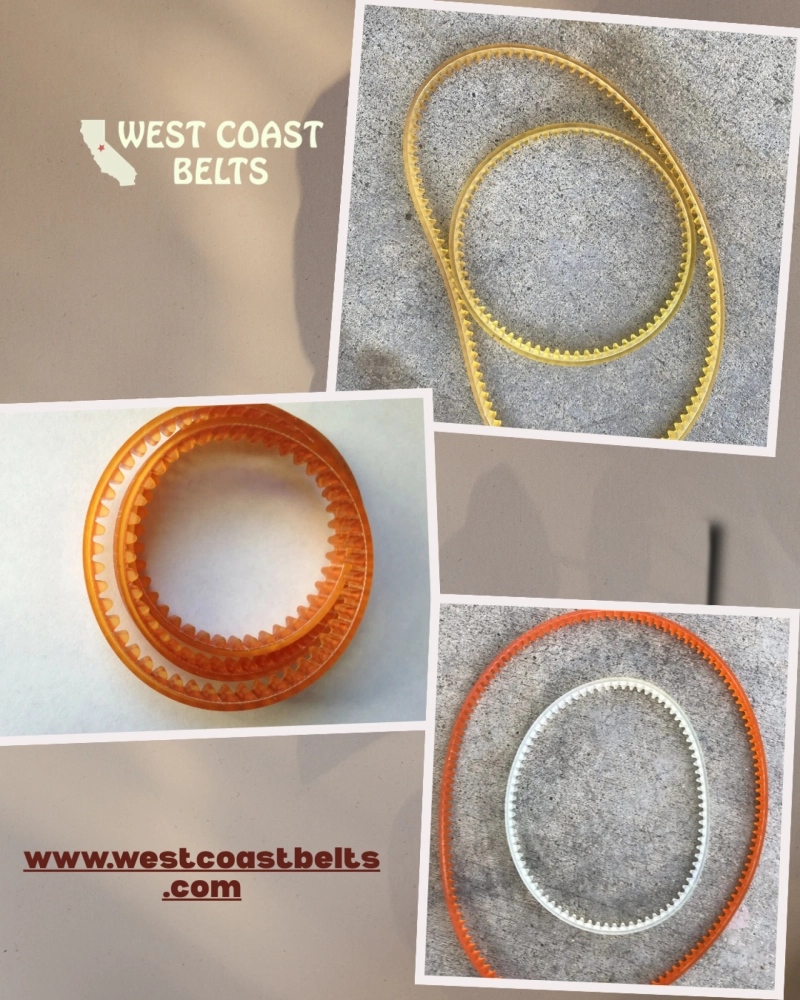
Vintage sewing machines have a timeless charm that modern machines simply can’t replicate. Among the most beloved classics is the Singer treadle sewing machine, a beautifully engineered piece of history that still works smoothly today. However, one essential component keeps this machine running perfectly-the Singer Treadle Sewing Machine Belt.
If your treadle machine isn’t running as smoothly as it used to, chances are it’s time for a Sewing Machine Belt Replacement. In this complete guide, we’ll walk you through everything you need to know about choosing, installing, and maintaining the right Singer Sewing Machine Belt so your vintage machine continues to stitch flawlessly for years to come.
What Is a Singer Treadle Sewing Machine Belt?
A Singer Treadle Sewing Machine Belt is the long looped belt that connects the foot treadle pedal to the sewing machine’s handwheel. When you pump the treadle pedal with your feet, the belt transfers motion to the wheel, powering the machine without electricity.
This ingenious mechanical design made sewing accessible long before electric machines existed. Today, many collectors and sewing enthusiasts still prefer treadle machines because they offer:
- Smooth and quiet operation
- Full control over sewing speed
- Reliable performance without electricity
- A nostalgic and classic sewing experience
However, like any mechanical component, the Singer Sewing Machine Belt eventually wears out and needs replacement.
Signs You Need a Sewing Machine Belt Replacement
Over time, belts stretch, crack, or lose grip. If you notice any of the following issues, it may be time for a Sewing Machine Belt Replacement:
1. Slipping Belt
If the machine struggles to turn even when you pump the treadle, the belt may be worn or stretched.
2. Cracks or Fraying
Visible cracks, dryness, or fraying are clear indicators that your Singer Treadle Sewing Machine Belt is aging.
3. Inconsistent Motion
When the machine starts and stops unevenly, the belt may no longer maintain proper tension.
4. Belt Noise
A squeaking or rubbing sound can mean the Singer Sewing Machine Belt isn’t fitting correctly or is deteriorating.
Replacing the belt is usually a quick and affordable fix that can restore your machine’s smooth performance.
Choosing the Right Singer Sewing Machine Belt
Selecting the right Singer Sewing Machine Belt is essential for maintaining smooth operation. High-quality belts provide better grip, durability, and long-lasting performance.
Many vintage sewing enthusiasts recommend reliable manufacturers like West Coast Belts, known for producing durable belts designed specifically for classic treadle machines.
When selecting a belt, consider the following factors:
- Material: Leather belts are traditional and provide excellent grip.
- Length: The belt must fit properly around the handwheel and treadle pulley.
- Flexibility: A good belt should bend easily but remain strong.
- Durability: High-quality belts last longer and require fewer adjustments.
A well-made Singer Treadle Sewing Machine Belt ensures smooth power transfer from the treadle to the machine.
How to Perform a Sewing Machine Belt Replacement
Replacing a belt on a treadle machine is easier than most people think. With a few simple steps, your machine can run like new again.
Step 1: Remove the Old Belt
First, loosen the old Singer Sewing Machine Belt and pull it off the handwheel and treadle wheel.
Step 2: Measure the Length
Wrap the new belt around the wheels to determine the proper length before cutting if necessary.
Step 3: Trim the Belt
If your replacement belt is slightly longer, trim it carefully to fit.
Step 4: Connect the Ends
Most belts include a small metal hook or connector to secure the ends.
Step 5: Install and Test
Place the new Singer Treadle Sewing Machine Belt around the pulleys and gently test the treadle motion.
Once installed correctly, the machine should run smoothly and quietly again.
Tips to Extend the Life of Your Sewing Machine Belt
Proper care can significantly increase the lifespan of your Singer Sewing Machine Belt.
Keep It Clean
Dust and debris can reduce traction and wear down the belt.
Maintain Proper Tension
A belt that is too tight or too loose can cause unnecessary stress on the machine.
Condition Leather Belts
Occasionally applying leather conditioner helps prevent cracking.
Inspect Regularly
Check your Singer Treadle Sewing Machine Belt periodically to catch early signs of wear.
High-quality belts from trusted brands such as West Coast Belts are designed to handle regular use while maintaining durability.
Why Vintage Sewing Machines Still Matter
Despite the rise of computerized sewing machines, treadle machines remain popular among collectors, artisans, and sewing enthusiasts. Their reliability and craftsmanship make them a valuable addition to any sewing room.
A properly maintained machine-with a strong Singer Sewing Machine Belt and regular Sewing Machine Belt Replacement when necessary-can continue working for generations.
Final Thoughts
Owning a treadle sewing machine is like holding a piece of sewing history. Keeping it in perfect working condition mainly comes down to maintaining one crucial part-the Singer Treadle Sewing Machine Belt.
Whether you’re restoring a family heirloom or simply enjoying vintage sewing, choosing a durable Singer Sewing Machine Belt and performing timely Sewing Machine Belt Replacement ensures your machine runs smoothly every time.
With trusted manufacturers like West Coast Belts, you can keep your classic treadle machine operating exactly as it was meant to-smooth, quiet, and beautifully reliable.