



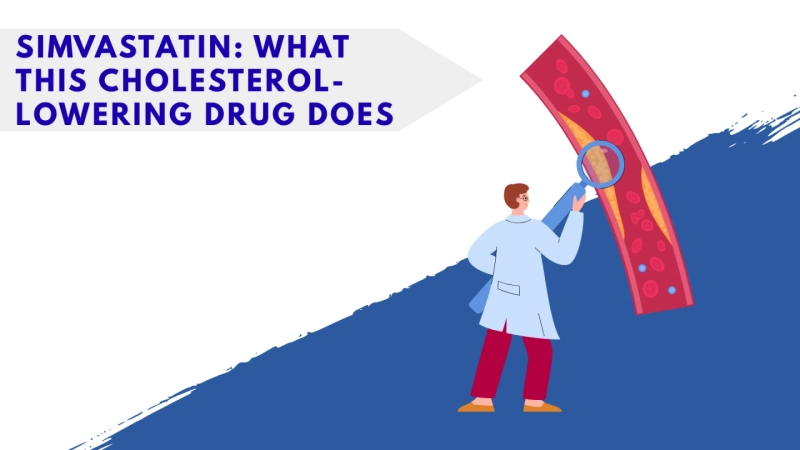
The global epidemic of cardiovascular disease is a major public health concern, and Thailand is no exception. As lifestyles become more urbanized and dietary habits shift, conditions like dyslipidemia—abnormally high levels of cholesterol and triglycerides in the blood—are on the rise. Uncontrolled high cholesterol leads to atherosclerosis, the hardening and narrowing of arteries, which is the root cause of heart attacks and strokes. To combat this silent threat, doctors in Thai clinics and hospitals frequently prescribe a class of powerful medications known as statins. Among these, simvastatin medication is one of the most widely used, valued for its proven efficacy, long track record, and availability as a cost-effective generic option in the country’s healthcare system.
Simvastatin is not merely a drug to lower numbers on a blood test; it is a fundamental pillar of preventative cardiology. Its main purpose is to reduce the risk of future adverse cardiovascular events, such as a debilitating stroke or a fatal heart attack, in individuals deemed to be at high risk. It achieves this by profoundly affecting the body's cholesterol production process. Understanding how simvastatin works—its mechanism, its critical role in reducing "bad" cholesterol, its proper timing, and the important safety precautions, especially in the context of drug interactions prevalent in Thai clinical practice—is essential for every patient taking this important daily therapy.
The Core Mechanism: Inhibiting HMG-CoA Reductase
Simvastatin belongs to the statin class, which works directly on the liver, the body's primary site of cholesterol synthesis. Its function is to intercept a critical step in this biological pathway.
Blocking the Rate-Limiting Step
Simvastatin is administered as an inactive prodrug which is converted in the body to its active form, simvastatin hydroxy acid. This active compound targets a key enzyme.
- Targeting HMG-CoA Reductase: Simvastatin works by competitively inhibiting 3-hydroxy-3-methylglutaryl coenzyme A (HMG-CoA) reductase. This enzyme is the rate-limiting enzyme in the mevalonate pathway, which is responsible for the endogenous production of cholesterol in the liver.
- Decreased Production: By blocking this enzyme, simvastatin drastically reduces the amount of cholesterol manufactured by the liver cells.
The Receptor Upregulation Effect
The body responds to the reduction in internal cholesterol synthesis with a beneficial compensatory mechanism.
- LDL Receptor Increase: Because the liver cells have less internal cholesterol, they sense the deficiency and respond by upregulating (increasing the number of) Low-Density Lipoprotein (LDL) receptors on their surface.
- Clearing LDL from Blood: These receptors act like magnets, pulling "bad" cholesterol (LDL-C) out of the bloodstream. This dual action—reducing production and increasing clearance—is why simvastatin is highly effective at lowering circulating LDL cholesterol levels by 30% to 50%.
Therapeutic Benefits: Beyond Cholesterol Numbers
While its primary role is lipid reduction, simvastatin provides significant cardiovascular protection that extends beyond the cholesterol panel. These are known as pleiotropic effects.
Preventing Atherosclerosis and Plaque Stabilization
The true life-saving benefit of simvastatin lies in its effect on the arteries themselves.
- Anti-Inflammatory Action: Simvastatin reduces inflammation within the lining of blood vessels (endothelium). Chronic inflammation is a key driver of atherosclerosis.
- Plaque Stabilization: More critically, statins help stabilize the atherosclerotic plaques that have already formed. Unstable plaques are prone to rupture, which triggers a clot and causes a heart attack or stroke. By making the plaques less prone to rupture, simvastatin significantly reduces the risk of these acute events, even in patients who start with relatively low cholesterol levels.
- Improved Endothelial Function: It also improves the function of the endothelium, the inner lining of blood vessels, helping them to dilate properly and maintain healthy blood flow.
Primary and Secondary Prevention
Simvastatin is used in two key therapeutic settings across Thailand:
- Primary Prevention: Treating patients who have high cholesterol or other risk factors (like diabetes) but have not yet had a cardiovascular event, aiming to prevent the first one.
- Secondary Prevention: Treating patients who have already had a heart attack or stroke to prevent recurrence, where the protective benefits are particularly pronounced.
Practical Administration and Timing
Proper use of simvastatin is crucial for maximizing its effectiveness and minimizing side effects.
Taking the Dose at Night
The time of day the medication is taken is important for simvastatin due to its pharmacology.
- When Cholesterol is Made: Simvastatin is most effective when taken in the evening or at bedtime. This is because the enzyme HMG-CoA reductase, which the drug inhibits, is most active during the night, when the body performs the bulk of its cholesterol synthesis.
- Food and Absorption: Simvastatin tablets can generally be taken with or without food. Consistency in taking the drug at the same time each evening helps maintain steady therapeutic levels.
The Grapefruit Juice Warning
A highly important dietary interaction must be strictly observed by patients in Thailand.
- Mechanism: Grapefruit juice contains compounds (furanocoumarins) that inhibit the CYP3A4 enzyme in the liver and gut. This enzyme is responsible for metabolizing and breaking down simvastatin.
- Consequence: Inhibiting CYP3A4 leads to significantly higher-than-intended blood levels of simvastatin, which dramatically increases the risk of serious side effects, particularly myopathy and rhabdomyolysis. Patients should strictly avoid consuming grapefruit juice while on this medication.
Safety and Monitoring: Managing Potential Side Effects
While simvastatin is generally safe and well-tolerated, awareness of potential side effects and the importance of monitoring are key, especially in high-risk populations.
Muscle-Related Side Effects (Myopathy)
The most discussed potential side effect of statins is muscle pain.
- Myalgia: This is characterized by muscle aches, tenderness, or weakness, and it is the most common muscle-related complaint. If unexplained muscle pain occurs, particularly with dark-colored urine, the patient must seek medical attention immediately.
- Rhabdomyolysis: A very rare but serious complication involving the severe breakdown of muscle tissue, which releases substances into the bloodstream that can damage the kidneys. This risk is dose-dependent and significantly increased by drug interactions (discussed below) and in individuals with certain genetic polymorphisms, which have been specifically studied in the Thai population.
Liver Enzyme Elevation
Simvastatin is metabolized by the liver, and it can occasionally cause an increase in liver enzymes (transaminases).
- Monitoring: Doctors typically order liver function tests (LFTs) before starting simvastatin and periodically thereafter.
- Action: While mild, transient elevation is common and often benign, significant or persistent elevation of the enzymes (e.g., three times the upper limit of normal) may necessitate a dose reduction or a switch to a different statin type. Patients should report symptoms of potential liver problems, such as unusual fatigue, dark urine, or yellowing of the skin or eyes (jaundice).
Critical Drug Interactions in Clinical Practice
Simvastatin has a higher potential for drug-drug interactions compared to some other statins (like Rosuvastatin or Atorvastatin) because its metabolism is heavily reliant on the CYP3A4 enzyme.
CYP3A4 Inhibitors
Many commonly prescribed drugs and over-the-counter supplements can inhibit CYP3A4, leading to dangerously high simvastatin levels.
- Contraindicated Drugs: Certain antifungal drugs (like Itraconazole), some antibiotics (like Clarithromycin and Erythromycin), HIV protease inhibitors, and some cardiovascular drugs (like Gemfibrozil) are often contraindicated or require strict dose limits when used with simvastatin.
- Dose Restrictions: For other drugs that weakly interact (e.g., the blood pressure medication Amlodipine), the maximum allowed daily dose of simvastatin may be restricted to 20mg to maintain safety.
- Clinical Awareness in Thailand: Given the high rate of multi-drug prescriptions for patients with co-morbidities like hypertension and diabetes in Thailand, physicians and pharmacists must diligently screen for these interactions to prevent adverse events, particularly myopathy.
Conclusion: A Long-Term Commitment to Heart Health
Simvastatin is a cornerstone of modern lipid management in Thailand and globally. By effectively inhibiting cholesterol production and enhancing its clearance, this potent simvastatin medication not only improves blood lipid profiles but, more importantly, provides substantial protection against the devastating consequences of heart attack and stroke through its pleiotropic, plaque-stabilizing effects. Its safe and successful use requires a comprehensive partnership between the patient and the healthcare team. The patient's responsibility includes strict adherence to the evening dosing schedule, permanent avoidance of grapefruit juice, and prompt reporting of any unexplained muscle symptoms. Through this informed commitment, simvastatin remains an invaluable tool for ensuring long-term cardiovascular health.
FAQs
Why is Simvastatin usually taken in the evening?
Simvastatin is typically taken in the evening or at bedtime because the body's natural rate of cholesterol production is highest at night when the patient is not eating. Taking the drug at this time ensures that the drug concentration is highest when the target enzyme (HMG-CoA reductase) is most active, maximizing its cholesterol-lowering effectiveness.
What are the main warning signs of a serious side effect from Simvastatin?
The most critical warning signs relate to muscle and liver damage. You should seek immediate medical attention if you experience: unexplained muscle pain, tenderness, or weakness, especially if accompanied by fever, unusual tiredness, or dark-colored urine (signs of rhabdomyolysis), or if you notice yellowing of the skin or eyes (jaundice), persistent upper stomach pain, or dark urine (signs of liver problems).
Should I stop drinking alcohol while taking Simvastatin?
It is strongly advised to limit or avoid large amounts of alcohol while taking simvastatin. Both simvastatin and alcohol are processed by the liver. Excessive alcohol consumption can increase the risk of liver damage and may also raise triglyceride levels, counteracting the drug's therapeutic benefit. Your doctor can advise on a safe amount based on your overall health.
Can Simvastatin be taken with traditional Thai herbal supplements?
Extreme caution is necessary. Many herbal supplements, particularly those used in traditional Thai medicine, can affect the same liver enzymes (like CYP3A4) that metabolize simvastatin. This interaction can raise simvastatin levels, increasing the risk of muscle damage. It is absolutely essential to inform your doctor or pharmacist about every supplement or herbal remedy you are taking before starting or continuing simvastatin.