



Noise in our living and working spaces can be surprisingly disruptive. Whether it’s traffic outside, loud neighbors, or echoes bouncing around your home, unwanted sound can affect your comfort, concentration, and even sleep. One of the most effective ways to regain peace and quiet is through acoustic insulation, which is designed to minimize sound transmission and create a calm, controlled environment.
In this article, we’ll explore creative and lesser-known acoustic insulation tricks that homeowners can use to make their spaces significantly quieter. From smart material choices to clever installation techniques, these strategies will help you transform noisy areas into silent, relaxing spaces.
Understanding Acoustic Insulation
Acoustic insulation is different from standard thermal insulation. While traditional insulation keeps your home warm or cool, acoustic insulation is specifically engineered to absorb, dampen, or block sound waves. It reduces echoes, limits noise transfer between rooms, and creates a balanced, peaceful environment.
The effectiveness of insulation depends on the type of material, its thickness, and where it is installed. High-density materials, such as mineral wool or specialized acoustic foams, are typically more effective at stopping sound than lightweight alternatives. Knowing how these materials work helps you make informed decisions when designing a soundproof space.
Choosing the Right Materials
Selecting the appropriate acoustic insulation materials is key to achieving optimal results. Some materials are more effective at controlling specific types of noise, while others add aesthetic value:
- Mineral Wool or Rock Wool: Dense and fire-resistant, this material is excellent for walls and ceilings, absorbing mid- to high-frequency sounds.
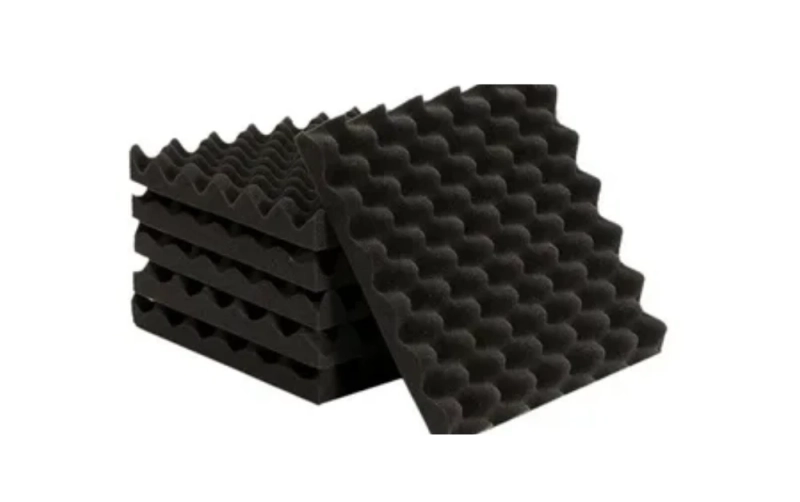
- Acoustic Foam Panels: Lightweight and easy to install, these panels reduce echoes inside rooms, making them perfect for home offices or media areas.
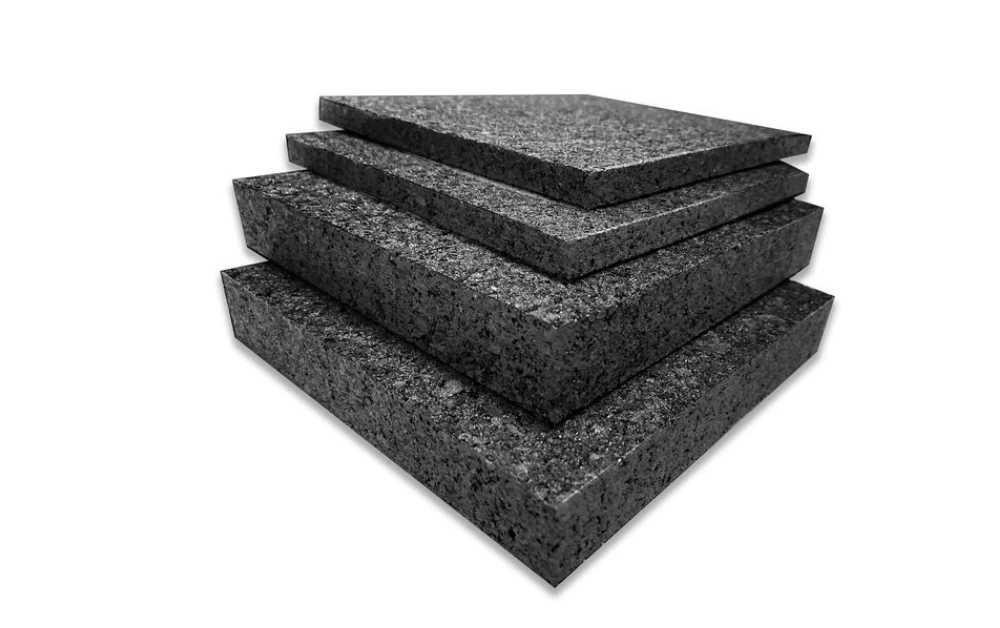
- Mass Loaded Vinyl (MLV): A flexible, heavy material that can be added to walls or ceilings to block sound from traveling between rooms.
- Green Glue Compound: Applied between layers of drywall, Green Glue converts sound energy into heat, significantly reducing noise transfer.
Combining different materials in strategic ways can provide better results than relying on one type alone. This approach allows you to tailor solutions to the specific noise challenges in your home.
Strategic Placement for Maximum Impact
Even the best acoustic insulation will underperform if not placed correctly. Consider these strategic placement tips to maximize soundproofing:
- Wall Cavities: Filling wall cavities with dense insulation helps block sound from adjacent rooms or outside sources.
- Floors and Ceilings: Noise can easily travel vertically. Adding insulation to floors and ceilings helps prevent sound from moving between levels.
- Doors and Windows: Don’t overlook these openings. Using weatherstripping, acoustic panels, or heavy curtains around doors and windows can reduce noise infiltration.
Proper placement ensures that your insulation works efficiently without unnecessary expense.
Complementary Soundproofing Techniques
Acoustic insulation works best when combined with other soundproofing strategies. A few effective methods include:
- Double Drywall with Damping: Adding two layers of drywall with a damping compound improves wall performance dramatically.
- Floating Floors: Installing a resilient underlayer beneath flooring reduces impact noise from footsteps and dropped objects.
- Acoustic Panels and Diffusers: While insulation blocks sound, panels and diffusers improve the quality of sound inside a room, creating a more balanced and comfortable environment.
Combining insulation with these methods can transform even the noisiest spaces into serene environments.
Common Mistakes to Avoid
Many homeowners unintentionally reduce the effectiveness of their acoustic insulation by making simple mistakes:
- Ignoring Small Gaps: Even tiny gaps can let sound through, so attention to detail is essential.
- Using Low-Density Materials: Lightweight or cheap insulation may slightly reduce echoes but won’t block sound effectively.
- Neglecting Openings: Doors, windows, and vents can compromise insulation performance if not properly sealed.
Being aware of these common pitfalls helps ensure your soundproofing efforts are successful.
Maintenance Tips
Acoustic insulation is generally low-maintenance, but some care ensures it continues performing optimally:
- Keep It Clean: Dust or debris on panels can reduce their effectiveness, so gently vacuum or wipe surfaces.
- Avoid Moisture: Insulation materials like mineral wool or foam can degrade if exposed to water.
- Inspect Regularly: Check for loose panels, damage, or shifting insulation to maintain consistent performance.
Simple maintenance helps your investment last longer while keeping your space quiet.
Conclusion
Acoustic insulation offers homeowners a practical way to create silent, comfortable spaces. By choosing the right materials, placing them strategically, combining them with complementary soundproofing methods, and avoiding common mistakes, you can dramatically improve your home’s acoustic environment.
For expert guidance or professional installation, Perfect Acoustics provides tailored solutions to ensure your home achieves optimal sound quality. Take the first step toward quieter, more peaceful living with the right acoustic insulation strategies today.