A home’s foundation is its most critical structural component, providing stability and support for the entire building. Understanding when foundation repair is needed can help protect both the structure and its long-term value.
Cracks in Walls and Floors
One of the most common indicators that foundation repair may be necessary is the appearance of cracks in walls, ceilings, or floors. Small hairline cracks can be normal as a home settles over time, but larger cracks—especially those that widen or appear suddenly—may signal a deeper issue. Horizontal cracks in basement walls or stair-step cracks in brickwork are particularly concerning, as they often point to pressure against the foundation or shifting soil beneath it.
Uneven or Sloping Floors
Floors that are no longer level can indicate foundation movement. This issue may be noticeable when walking across a room or when furniture appears uneven. Sloping or sagging floors often result from shifting or settling beneath the structure, which weakens the support system. Addressing this early through foundation repair can prevent further structural imbalance.
Doors and Windows That Stick
Difficulty opening or closing doors and windows is another warning sign of foundation problems. As the foundation shifts, it can cause frames to become misaligned. Doors may stick, swing open on their own, or fail to latch properly, while windows may become difficult to operate. These changes often develop gradually, making them easy to overlook without regular inspection.
Gaps Around Windows and Doors
Visible gaps between walls and window or door frames can indicate that the foundation is moving. These gaps may allow drafts, moisture, and pests to enter the home, compounding the problem. Over time, these separations can worsen, signaling the need for prompt foundation repair to restore proper alignment and sealing.
Water Intrusion and Moisture Issues
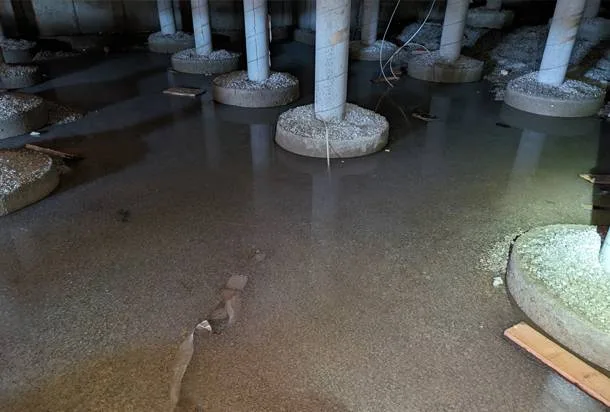
Excess moisture in basements or crawl spaces is a major red flag. Water intrusion can weaken the foundation, leading to cracks and deterioration. Standing water, damp walls, or mold growth are all signs that moisture is affecting the structure. Since water is one of the primary causes of foundation damage, addressing these issues early is essential for preventing further complications.
Bowing or Leaning Walls
Foundation walls that appear to bow, bulge, or lean inward are serious indicators of structural stress. This often occurs due to hydrostatic pressure from water-saturated soil pressing against the foundation. If left untreated, bowing walls can lead to structural failure. Immediate foundation repair is crucial in these situations to stabilize the structure and prevent collapse.
Separation of Walls and Ceilings
Another noticeable sign of foundation trouble is the separation between walls and ceilings. This can appear as gaps or cracks along corners and joints. These separations occur when the foundation shifts unevenly, causing different parts of the structure to move at different rates. Over time, this can compromise the integrity of the entire building.
Exterior Brick Cracks and Chimney Movement
On the exterior of the home, cracks in brickwork or a leaning chimney can indicate foundation settlement. Stair-step cracks in masonry are particularly common signs of movement. A chimney that begins to tilt or pull away from the house is a serious concern, as it reflects uneven foundation support.
Nail Pops and Interior Wall Issues
Nail pops—small bumps or protrusions in drywall—can also signal foundation movement. While they may seem minor, frequent or widespread nail pops may indicate shifting within the structure. Combined with other signs, they can point to the need for foundation repair.
Increased Pest Activity
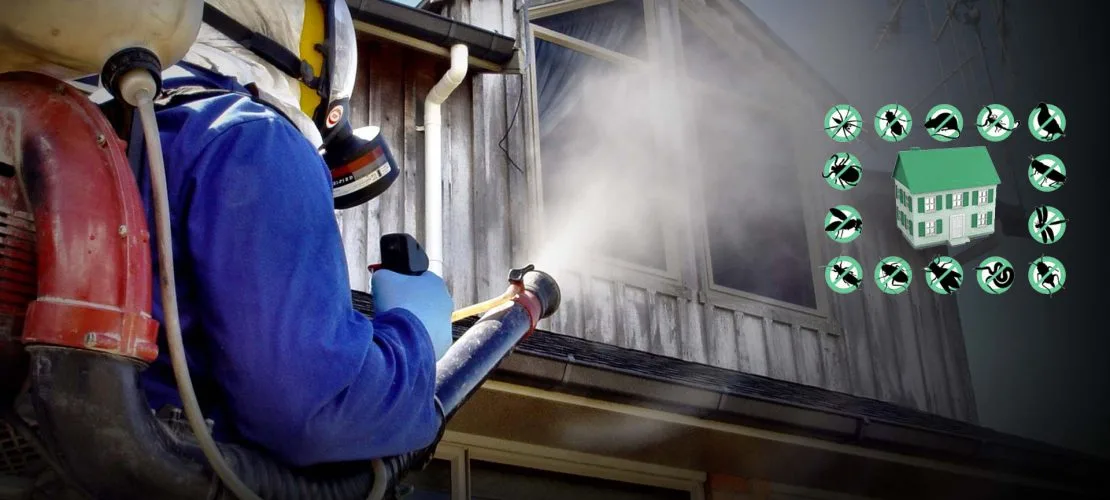
Gaps and cracks in the foundation can create entry points for pests. If there is a noticeable increase in insects or rodents entering the home, it may be due to structural openings caused by foundation issues. Sealing these gaps through proper repair helps protect both the structure and indoor environment.
Why Early Detection Matters
Identifying these warning signs early can make a significant difference in the outcome of foundation repair. Minor issues are typically easier and less expensive to fix, while delayed repairs can lead to extensive structural damage and higher costs. Regular inspections and prompt action are key to maintaining a stable foundation.
Conclusion
Foundation problems rarely resolve on their own, and ignoring early warning signs can lead to serious consequences. Cracks, uneven floors, sticking doors, moisture issues, and structural shifts all indicate that foundation repair may be necessary. By recognizing these signs and addressing them promptly, property owners can protect their investment, ensure safety, and maintain the long-term integrity of their home.