



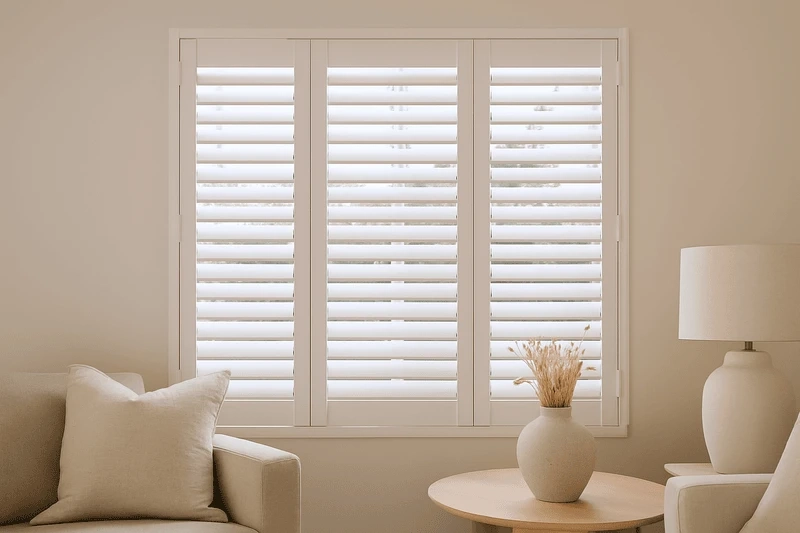
Window treatments quietly influence how a home feels, functions and performs day to day. Light levels, airflow, privacy, insulation and even acoustics are all shaped by what sits between the glass and the room. Among the many options available to homeowners, shutters continue to hold a unique place. They balance visual appeal with practical control, offering solutions that suit both traditional and contemporary spaces. Understanding how shutters work within a home helps explain why they remain a long-term favourite rather than a passing trend.
Unlike curtains or blinds that soften a space through fabric, shutters introduce structure. Their solid panels and adjustable louvres create clean lines that complement architecture rather than compete with it. This structural quality is one reason shutters integrate so seamlessly across different design styles, from coastal homes to urban apartments and heritage properties.
Light control is one of the most appreciated benefits. Adjustable louvres allow homeowners to fine-tune how much light enters a room without fully opening or closing the window covering. Morning sun can be filtered gently, harsh afternoon glare reduced, and privacy maintained without sacrificing brightness. This level of control often proves more versatile than fabric-based coverings that rely on being either drawn or open.
Privacy plays an equally important role, particularly in homes with street-facing windows or close neighbours. Shutters allow visibility out while limiting visibility in, which is especially valuable in living areas and bedrooms. Many homeowners discuss privacy challenges in residential design on platforms such as The OmniBuzz, where thoughtful window treatments are often highlighted as a simple yet effective solution.
Thermal performance is another reason shutters remain relevant. Solid shutter panels add an insulating layer at the window, helping regulate indoor temperatures. During warmer months, shutters may reduce heat gain by blocking direct sunlight. In cooler periods, they help retain warmth by limiting drafts and heat loss through glass. This contributes to a more stable indoor environment and may support energy efficiency over time.
Shutters also offer durability that many other window furnishings cannot match. High-quality materials resist warping, fading and wear, making them well suited to high-use areas such as living rooms, kitchens and family spaces. This durability often appeals to homeowners looking for a long-term solution rather than a product that requires replacement every few years.
Material choice influences both performance and appearance. Timber shutters provide warmth and natural character, making them popular in traditional and coastal interiors. Composite and PVC options offer moisture resistance, which suits bathrooms, laundries and kitchens where humidity is higher. Aluminium shutters are often chosen for exterior applications or areas exposed to harsh conditions. Understanding these differences helps homeowners select shutters that align with both their lifestyle and their environment.
Design flexibility is another key advantage. Shutters can be customised to suit a wide range of window shapes and sizes, including bay windows, arches and sliding doors. This adaptability makes them particularly useful in homes with architectural features that standard blinds or curtains struggle to accommodate. Articles on The OmniBuzz home design section frequently explore how custom solutions improve both aesthetics and functionality.
Maintenance is often simpler than people expect. Unlike fabric window coverings that collect dust and require washing, shutters are typically cleaned with a quick wipe. This low-maintenance quality appeals to busy households and those seeking a cleaner, more streamlined interior environment. It may also benefit allergy-sensitive occupants by reducing dust accumulation.
Shutters influence how rooms feel acoustically as well. Their solid construction can help dampen external noise, particularly in urban or high-traffic areas. While not soundproof, shutters may contribute to a quieter interior, enhancing comfort in bedrooms and living spaces.
From a design perspective, shutters add perceived value to a home. Their built-in appearance often feels more permanent than other window coverings, which can appeal to buyers. Real estate discussions commonly note that well-chosen shutters enhance presentation by framing windows neatly and creating a cohesive look throughout a property.
When homeowners explore options, resources such as Shutters provide insight into how different styles, finishes and configurations suit various spaces. Looking through examples helps clarify how shutters can be tailored rather than treated as a one-size-fits-all solution.
Another reason shutters continue to attract interest is their ability to adapt to changing needs. Louvres can be adjusted throughout the day, offering flexibility that supports different activities, whether working from home, entertaining or resting. This adaptability aligns with modern living patterns where rooms often serve multiple purposes.
Safety is an additional consideration, particularly in family homes. Shutters avoid cords or chains, reducing potential hazards for children and pets. This makes them a practical option for households prioritising both design and safety.
Aesthetically, shutters contribute to a sense of order. Their symmetry and clean lines bring visual calm, which can be especially valuable in open-plan layouts. Designers often use shutters to anchor spaces visually, balancing softer furnishings elsewhere in the room.
The relationship between shutters and natural ventilation is also worth noting. Adjustable louvres allow airflow while maintaining privacy, which supports passive cooling strategies. This is particularly relevant in warmer climates where managing airflow without compromising security is important.
External shutters expand these benefits further, offering protection from weather, enhanced security and additional thermal control. While interior shutters focus on comfort and aesthetics, exterior options address environmental exposure and durability, especially in coastal or rural settings.
Homeowners researching window treatments often weigh shutters against blinds or curtains. While initial costs may differ, shutters are frequently considered an investment due to their longevity and performance. Over time, their durability and energy benefits may offset the upfront expense.
Choosing shutters also involves considering how they integrate with the rest of the interior. Colour selection, louvre size and panel configuration all influence the final look. Neutral tones tend to suit a wide range of interiors, while custom colours can be used to make a design statement. Guidance from sources such as Shutters by Blinds.com.au helps homeowners visualise these choices in real-world settings.
For those seeking consistency throughout a home, shutters offer a cohesive solution. Using the same style across multiple rooms creates visual flow while still allowing for functional variation through louvre adjustment and panel configuration.
Ultimately, shutters succeed because they balance form and function. They provide control without clutter, structure without heaviness and durability without sacrificing style. In a world of rapidly changing interior trends, shutters remain a steady presence precisely because they respond to practical needs as much as aesthetic preferences.
For homeowners exploring options, looking at examples of Shutters from Blinds.com.au alongside broader home design discussions on platforms like The OmniBuzz may help clarify how shutters fit within both current lifestyles and long-term plans.