



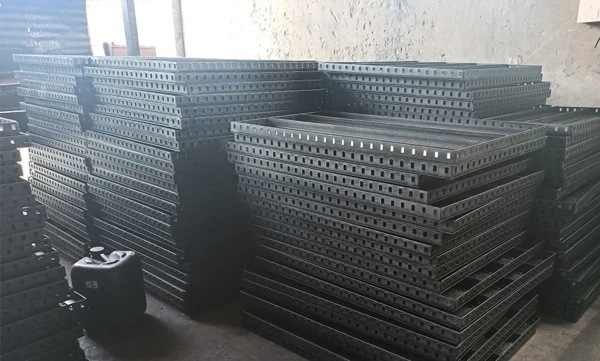
In the world of construction, every material, tool, and resource plays a crucial role in determining the pace and quality of a project. Among these, shuttering plates are essential for ensuring strong, smooth, and reliable structures. However, one of the most common dilemmas faced by contractors and builders is whether to rent shuttering plates or buy them outright. Each choice has its advantages and limitations, and the best option often depends on the project scale, budget, and long-term goals. This blog explores both sides in detail to help you make a more informed decision.
Understanding Shuttering Plates
Shuttering plates, also known as formwork plates, are flat steel or aluminium sheets used in construction to mould and support concrete until it hardens. They ensure that concrete structures maintain their shape, strength, and finish. Available in different sizes and thicknesses, shuttering plates are valued for their durability, reusability, and contribution to high-quality construction outcomes.
These plates are widely used in residential, commercial, and infrastructure projects, making them one of the most demanded materials in the industry. The choice between renting and purchasing depends on how often and in what capacity these plates will be used.
The Case for Renting Shuttering Plates
Renting shuttering plates is a practical option for many builders, especially those who manage short-term projects or work with limited budgets. The most significant advantage is the low upfront investment. Contractors do not need to spend heavily on bulk purchases when they can simply rent the required number of plates for a project.
Another benefit is flexibility. Renting allows access to the exact quantity and quality needed without worrying about long-term commitments. Additionally, storage and maintenance costs are eliminated. Once the project is completed, the plates are returned, saving contractors from the hassle of warehousing or upkeep.
For instance, builders who need MS shuttering plates on rent can get them for specific durations, making this option cost-effective and convenient. This approach is particularly beneficial for small contractors, start-ups in construction, or anyone handling one-time projects.
The Case for Buying Shuttering Plates
While renting has its advantages, owning shuttering plates offers long-term value, especially for companies with continuous and large-scale projects. The initial cost may be higher, but the investment pays off in the long run as the plates can be reused multiple times across projects.
Ownership also ensures availability. Contractors do not need to depend on suppliers or worry about shortages during peak construction seasons. Having complete control over resources improves project planning and execution. Moreover, buying shuttering plates adds to the company’s assets, strengthening its financial position.
Another often-overlooked advantage is the potential for income generation. Companies that own large stocks of shuttering plates can rent them out to smaller contractors, creating an additional revenue stream. For major builders and construction firms, this makes purchasing an attractive option.
Comparing Rental vs. Buying
When weighing the options of renting or buying, it helps to break down the comparison into key factors.
- Cost: Renting involves lower upfront spending but can accumulate over multiple projects. Buying requires a large initial investment, but costs reduce significantly with long-term use.
- Flexibility: Renting is ideal for short-term or irregular needs, while buying suits continuous, large-scale operations.
- Maintenance: Rental eliminates responsibility for repairs or upkeep, but ownership requires periodic maintenance to prolong the life of shuttering plates.
- Storage: Renting saves space since the plates are returned after use. Ownership demands proper storage facilities, which could mean additional expenses.
Ultimately, the decision depends on how frequently the shuttering plates will be used and whether the company prioritizes short-term savings or long-term returns.
Key Factors to Consider Before Deciding
Before making the final choice, contractors should consider several factors. The size and duration of upcoming projects are crucial. If the work is limited, renting is usually more practical. Budget availability and cash flow also matter since buying requires substantial upfront funds.
Another important aspect is the long-term business strategy. Companies planning to expand operations or secure multiple projects will benefit from ownership. On the other hand, smaller firms may find rental more sustainable. Availability of storage space and the ability to handle maintenance are also key considerations.
Best Practices When Choosing Rental or Purchase
Whether opting for rental or ownership, certain best practices help maximize value. Always check the quality of shuttering plates and verify the supplier’s reputation. Comparing multiple vendors can ensure competitive pricing and transparency. It is also important to confirm that the plates comply with safety standards and industry norms. These measures prevent delays, safety risks, and additional costs.
Conclusion
Both renting and buying shuttering plates have distinct benefits. Renting is better suited for smaller, short-term, or budget-conscious projects, while purchasing works best for contractors handling large-scale and continuous construction work. The right choice depends entirely on your business needs, resources, and future goals.
At Amirsons Scaffolding Pvt. Ltd., we understand these challenges firsthand. With years of experience in providing quality construction materials, we help our clients choose the best solutions based on their unique requirements. Whether it is rental support or long-term investment guidance, our expertise ensures that builders make decisions that truly strengthen their projects.