



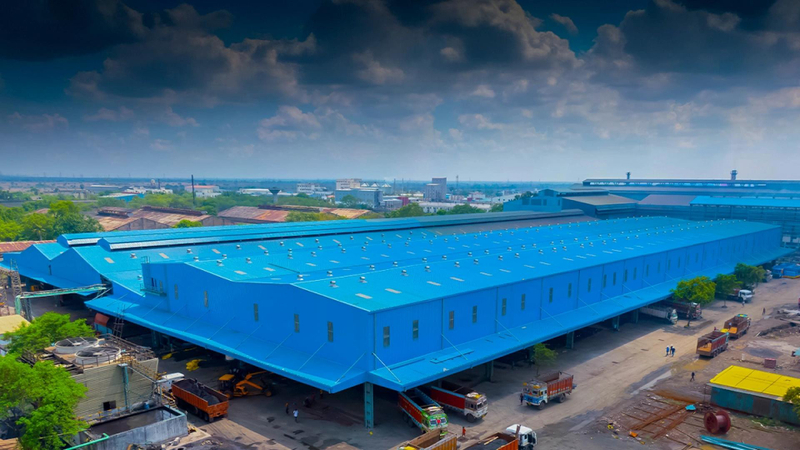
If you’re planning a shed in Queensland — whether it’s a backyard workshop, farm machinery shed, or a large commercial warehouse — the dream of a quick, cheap build can turn into a costly headache if you overlook the basics. In this article I’ll walk you through the most common warnings I see with shed builds across the state: approvals and paperwork, drainage and site water management, and slab mistakes that come back to bite you. Read on so your project doesn’t become a long-term problem.
1. Approval and planning: don’t assume “it’s just a shed”
Many homeowners assume small sheds are exempt from approvals. In Queensland that’s not always true. Local council rules vary by local government area (LGA) and depend on size, use (domestic vs commercial), proximity to boundaries, and whether the shed will be used for business, storage of hazardous materials, or house workers.
Common approval traps:
- Wrong classification: A shed used for a business or vehicle repair might be classified differently than a domestic garden shed and require building approvals and fire or health conditions.
- Boundary setbacks: Sheds too close to neighbouring fences can breach covenant or planning rules.
- Heritage or environmental overlays: Some properties have extra controls that complicate approval.
If you’re considering a larger project — especially commercial or industrial space — work with an experienced provider early. A specialist understands the paperwork and can advise you on what the council will need. For commercial projects, consider speaking with a recognised contractor such as Commercial Sheds builder in queensland who can help manage approvals and compliance from the start.
2. Site drainage and water management: the silent risk
Queensland’s weather ranges from tropical downpours in the north to heavy storms and occasional flash flooding across the east. Poor drainage planning is one of the most common causes of long-term shed damage.
Problems that arise from bad drainage:
- Water pooling around the slab leading to ongoing moisture infiltration and premature concrete degradation.
- Eroded access tracks and slab edges after heavy storms.
- Saturated subgrade which weakens the base beneath the slab and causes settlement or cracking.
What to check and do:
- Inspect existing fall — ensure the site has a clear fall away from the shed. Concrete slabs must never sit in a hollows where water collects.
- Include perimeter drains or swales to divert surface water away from the building.
- Connect to stormwater where practical — sometimes the cheapest short-term option causes long-term problems.
- Plan for roof runoff — guttering, downpipes, and properly-placed stormwater pits will protect the slab and surrounding site.
- Consider neighbour impact — diverting water onto neighbouring land can create legal issues.
Fixing drainage after construction is expensive. Get the site right first — cut a sensible fall, put in a proper drainage path, and consider professional advice if the land has a high water table or poor soakage.
3. Slab design mistakes: the foundations of regret
A shed is only as good as its slab. Slab problems are expensive to fix and often start with shortcuts taken to save a few dollars.
Typical slab errors:
- Inadequate site compaction: If the soil beneath the slab is not well compacted, differential settlement will crack the concrete and misalign doors and roller shutters.
- Wrong slab thickness or reinforcement: Commercial or heavy-vehicle use needs thicker slabs and heavier reinforcements. Domestic hobby-sheds may tolerate thinner slabs, but misjudging the load causes costly repairs.
- Poor control joint placement: Joints control cracking — if they’re missing or poorly positioned, cracks appear in inconvenient places.
- Insufficient edge protection and fall: If slab edges get soaked and erode, you’ll see spalling and edge collapse.
- No allowance for service penetrations: Cuts for plumbing or electrical conduits without proper sleeves lead to weak points.
How to avoid slab mistakes:
- Get a compaction certificate from a geotechnical engineer where soil conditions are uncertain.
- Match the slab to use — explain to your builder whether forklifts, heavy plant, or vehicles will operate on the slab.
- Use appropriate reinforcement and mesh with adequate cover depth.
- Include correctly spaced control joints and ensure curing is done properly — rapid drying in sun can cause surface cracking.
- Install fall and drainage at slab design stage so water does not sit against slab edges.
4. Materials, cyclonic regions and termite risks
Queensland has unique challenges. In cyclonic regions (northern Queensland especially), you’ll need cyclonic-rated frames, stronger fixings, and specific footings. Similarly, termite activity is common in many parts — using proper termite barriers and design details is essential for the life of your shed.
Ask your shed builder:
- Is the shed design appropriate for the local wind and cyclone rating?
- What termite protection measures are included?
- Are the flashings, wall cladding and roof fixings marine-grade if you’re near the coast?
5. Communication and documentation: protect yourself
Poor communication is often where projects go sideways. Make sure you get:
- A signed contract with clear scope, site responsibilities, and payment milestones.
- Drawings and engineering stamped where required.
- A list of inclusions and exclusions, so you’re not surprised by “extras”.
- Warranty and maintenance information — what’s covered and for how long?
6. Practical tips before you start
- Survey the site: get a contour or site survey to understand fall, easements and services.
- Soil test: if you plan a heavy or commercial shed, a BCS (bearing capacity) test avoids nasty surprises.
- Shop around: cheaper quotes aren’t always better. Compare what’s included in detail.
- Ask for references and inspect previous builds during wet weather if possible.
- Think long-term: a properly designed slab and drainage system saves money over the life of the building.
Conclusion
Shed builds in Queensland are straightforward when you address approvals, drainage and slab design up front. Skimp on any of those three areas and you’ll likely pay much more later. The best approach is to plan thoroughly, involve qualified professionals early, and choose a builder who understands local council rules and the Queensland climate. That way your new shed will be a solid, dry, trouble-free space for years to come.
FAQs
Q1: Do I always need council approval for a shed in Queensland?
A: Not always — it depends on your local council, the size and purpose of the shed, and whether the property has overlays or covenants. Check with your LGA or engage a builder who can manage approvals for you.
Q2: What’s the most common reason a slab fails soon after construction?
A: The most common cause is inadequate subgrade compaction or poor drainage. If the soil under the slab is soft or waterlogged, the slab will settle and crack.
Q3: How much does proper drainage installation add to a shed build cost?
A: Costs vary widely depending on site slope and required work — a simple swale and downpipe connection might be modest, while engineered subsurface drains or retaining work can add significantly. Think of drainage as insurance; the upfront cost is usually far cheaper than future repairs.