



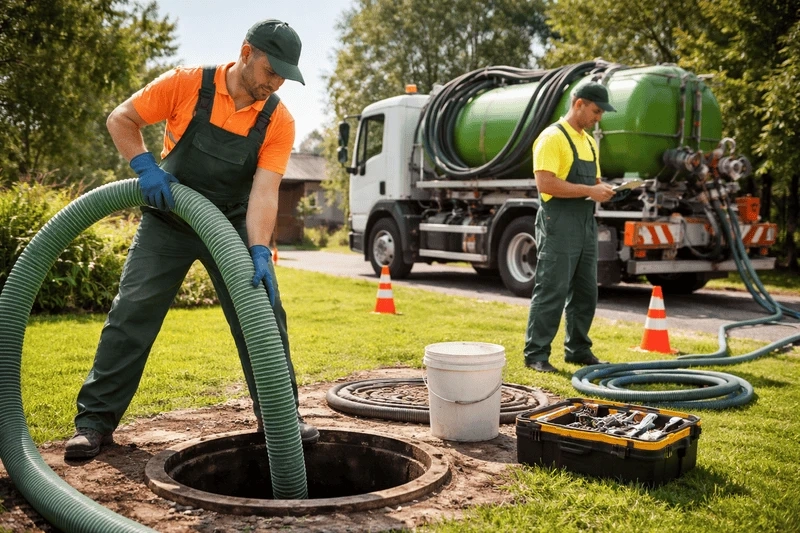
Septic systems quietly support thousands of Australian homes and properties that are not connected to main sewer networks. While they are often out of sight, they play a critical role in protecting health, property, and the surrounding environment. Septic System Services exist to ensure these systems continue to operate safely and effectively, particularly as systems age or usage patterns change.
Unlike centralised sewer infrastructure, septic systems rely on individual components working together under specific conditions. When one part fails or becomes overloaded, problems can escalate quickly. Understanding how septic systems function and why professional servicing matters helps property owners make informed decisions about long-term care.
How Septic Systems Work in Practice
A typical septic system consists of a septic tank and a disposal or absorption area. Wastewater flows from the property into the tank, where solids settle and biological processes begin breaking them down. Liquids then move into the disposal area, where they are filtered through soil.
This process depends on balance. Excessive solids, chemical disruption, or poor drainage conditions may interfere with treatment and lead to system failure. Because these systems operate continuously, even small issues can compound over time if left unaddressed.
Septic System Services focus on maintaining this balance so systems continue to function as designed.
Why Septic System Services Are Essential
Septic systems are not maintenance-free. Sludge accumulates in tanks, pipes may become blocked, and disposal areas may degrade due to soil compaction or saturation.
Regular servicing helps identify issues before they cause backups, odours, or environmental contamination. Without inspection and maintenance, failures may go unnoticed until they affect household plumbing or nearby land.
Property owners often seek guidance from providers such as MW Donnelly Septic System Services when routine maintenance or performance concerns arise.
Common Issues Affecting Septic Systems
Several factors commonly contribute to septic system problems. Excessive water use may overwhelm the system’s capacity, preventing adequate treatment. Introducing inappropriate materials, such as wipes or harsh chemicals, may disrupt biological processes or cause blockages.
Physical damage is another risk. Vehicles, construction activity, or landscaping over disposal areas may compact soil and reduce its ability to absorb treated effluent.
Septic System Services help assess these risks and recommend adjustments that support long-term operation.
The Role of Inspections and Pumping
One of the most important aspects of septic system maintenance is periodic inspection and pumping. Over time, solids accumulate in the tank and must be removed to prevent them from entering downstream components.
Inspection allows technicians to assess tank condition, inlet and outlet integrity, and signs of system stress. Pumping schedules vary depending on system size, household usage, and waste composition.
Many property owners engage Septic System Services as part of a preventative maintenance approach rather than waiting for visible problems.
Environmental and Health Considerations
Properly functioning septic systems protect groundwater, surface water, and public health. When systems fail, untreated wastewater may contaminate soil and water sources, posing risks to people and ecosystems.
This is particularly relevant in rural or semi-rural areas where properties rely on groundwater for drinking water. Effective Septic System Services support environmental stewardship by ensuring wastewater is treated and dispersed safely.
Regulatory requirements around septic systems often reflect these environmental considerations, emphasising correct installation and ongoing maintenance.
Compliance and Local Regulations
Septic systems are subject to local council and state regulations that govern installation, operation, and maintenance. These rules may specify system design, setback distances, and servicing requirements.
Failure to comply may result in penalties or restrictions on property use. Changes to household size or property use may also trigger reassessment of system capacity.
Professional Septic System Services help property owners navigate compliance obligations and maintain appropriate documentation.
System Upgrades and Modifications
In some cases, servicing reveals that an existing septic system is no longer suitable for current needs. This may occur when properties are extended, usage increases, or soil conditions change.
Upgrades may involve installing larger tanks, improving disposal areas, or introducing additional treatment components. These changes require careful planning to ensure compatibility with site conditions and regulations.
Discussions around MWD Septic System Services often include evaluating whether maintenance alone is sufficient or whether system modifications are required.
Septic Systems in Different Property Types
While septic systems are commonly associated with rural homes, they are also used in commercial and community settings such as schools, accommodation facilities, and recreational areas.
Higher usage volumes in these environments place greater demand on systems, making professional servicing even more important. Maintenance schedules and system designs may differ significantly from those used in single-dwelling properties.
Septic System Services are adapted to suit these varied contexts, ensuring systems perform reliably under different loads.
Recognising Early Warning Signs
Septic system issues often present subtle warning signs before major failure occurs. Slow drains, unusual odours, pooling water, or unusually green patches of grass near disposal areas may indicate underlying problems.
Early intervention allows issues to be addressed while solutions remain relatively straightforward. Ignoring these signs may lead to more extensive repairs or system replacement.
Routine servicing supports early detection and reduces the likelihood of emergency situations.
Long-Term Cost Considerations
While septic system maintenance involves ongoing costs, these are typically lower than the expenses associated with system failure or replacement. Preventative servicing helps extend system life and supports predictable budgeting.
Property owners who view Septic System Services as part of regular property maintenance often avoid the financial and practical disruption caused by unexpected breakdowns.
This long-term perspective aligns maintenance decisions with asset protection rather than short-term savings.
A Practical View of Septic System Services
Septic System Services support the safe, effective operation of on-site wastewater systems that many properties rely on every day. Through inspection, maintenance, and informed upgrades, these services help manage risk and protect surrounding environments.
Understanding how septic systems function and recognising the importance of professional servicing allows property owners to make better decisions about system care. With appropriate attention, septic systems may continue to perform reliably for decades.