



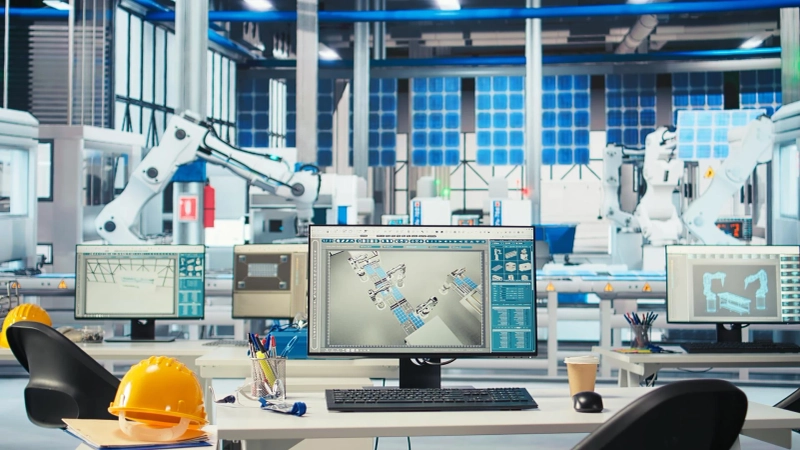
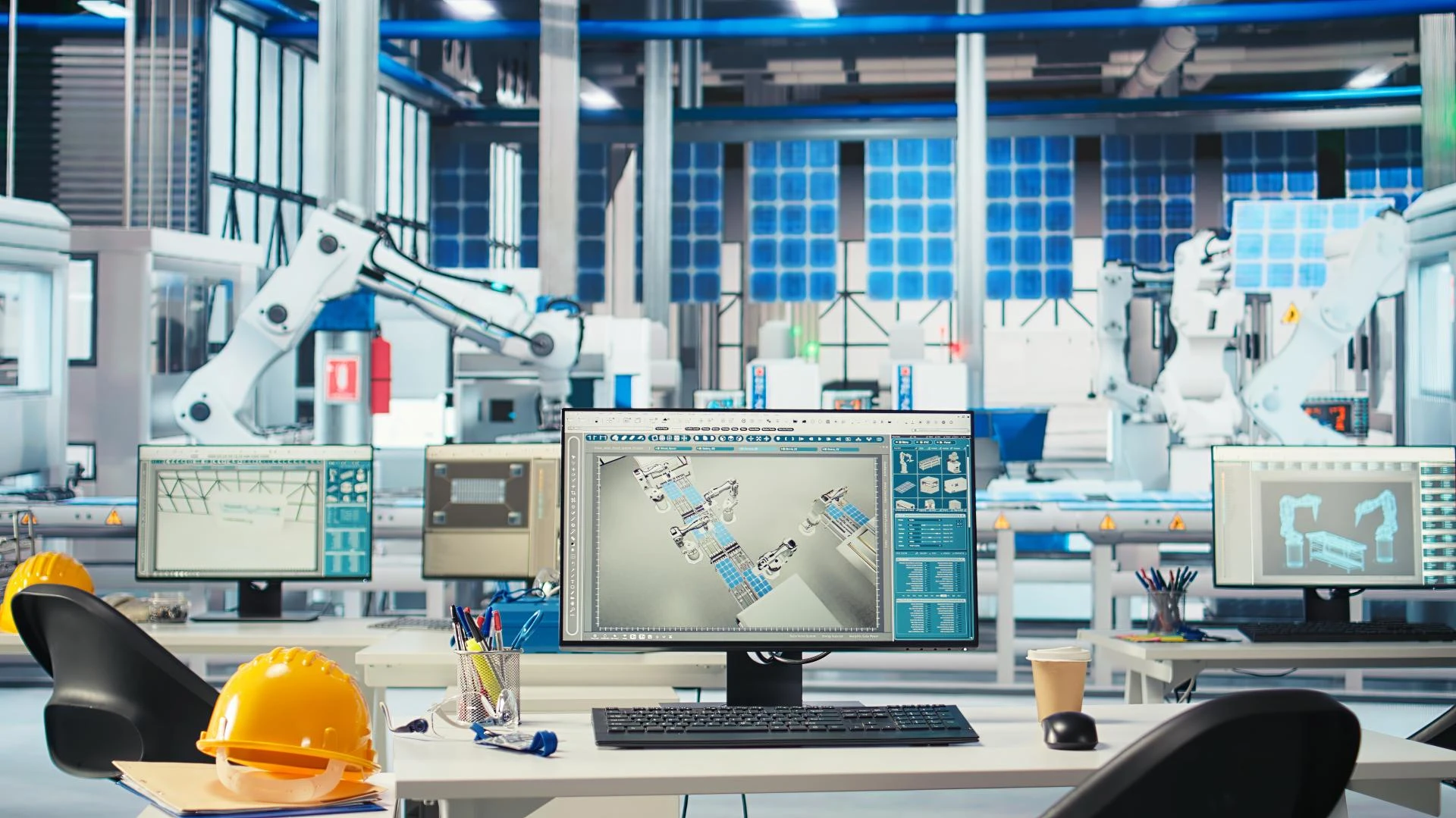
Chances are, you’re reading this on a device powered by a chip smaller than your fingernail. That chip didn’t just appear; it was planned, tested, programmed, and manufactured using some of the most complex software tools on the planet. This is where semiconductor design software steps in.
From smartphones and laptops to cars and satellites, every modern product depends on high-performance semiconductors. And the quality of those semiconductors depends heavily on the digital tools used to design and build them.
Let’s break down how software is quietly running the semiconductor world.
What is semiconductor manufacturing software?
In simple terms, it’s the set of digital tools used to design, simulate, test, and optimise integrated circuits before they’re ever manufactured. These tools guide the creation of a chip from idea to production.
This includes layout editors, circuit simulation tools, verification systems, and more. Without them, chip development would be painfully slow, error-prone, and wildly expensive.
That’s why semiconductor design software has become the backbone of chip innovation. It’s the only way to build reliable, powerful chips at the speed the world demands.
Why Software is Critical to Semiconductor Success
Here’s the thing: chip design is insanely complex. We're talking billions of transistors packed into an area smaller than a postage stamp. And every part of that design needs to be precise, verified, and ready for production.
That kind of precision can’t happen with guesswork or outdated tools. You need advanced, up-to-date software systems that can handle it all: power analysis, heat dissipation, timing checks, layout rules, and so on.
This is why software companies that build semiconductor tools are in such high demand. They don’t just offer software; they offer stability, accuracy, and speed to an industry that can’t afford delays or errors.
What Top Software Companies Bring to the Table
The top software company in this space is usually the one that understands the full picture, not just how a chip is designed but also how it’s tested, manufactured, and used in real-world environments.
These companies build toolchains that connect every step of the process:
⦁ Schematic capture and layout
⦁ Design rule checking
⦁ Timing and power simulation
⦁ Physical verification
⦁ Fabrication and yield optimisation
They also keep up with the latest semiconductor nodes, from 7 nm to 3 nm and beyond, so that manufacturers can push the limits of what's physically possible.
The Growing Role of AI and Automation
Design cycles are getting tighter, and chip complexity keeps rising. That’s why the latest semiconductor design software is leaning more on AI to handle repetitive tasks, optimise layouts, and even predict design flaws before testing begins.
Many software companies are building automation into their platforms to reduce manual effort, improve consistency, and save time during high-volume production runs.
That’s not just good for business; it’s necessary to keep up with global demand.
Challenges and Why Software Still Leads the Way
Even with all the tech, semiconductor manufacturing isn’t easy. Foundries have to deal with:
⦁ Variations in silicon
⦁ High costs of errors
⦁ Long development cycles
⦁ Global supply chain risks
But the one constant that helps solve these problems is good software. And top software company players know this. They invest heavily in research and updates, keeping their tools reliable and scalable as tech moves forward.
Looking Ahead
As the world becomes more digital, the need for better, smaller, and faster chips won’t slow down. Whether it's in AI, 5G, cloud computing, or automotive systems, semiconductors are going to stay at the centre.
And behind those semiconductors? A complex layer of tools built by smart people at smart software companies. The role of semiconductor design software is only going to grow as chips become more powerful and production timelines get tighter.
If you’re looking at the future of manufacturing or electronics, don’t overlook the software behind the hardware. It’s not flashy, but it’s doing all the heavy lifting.