



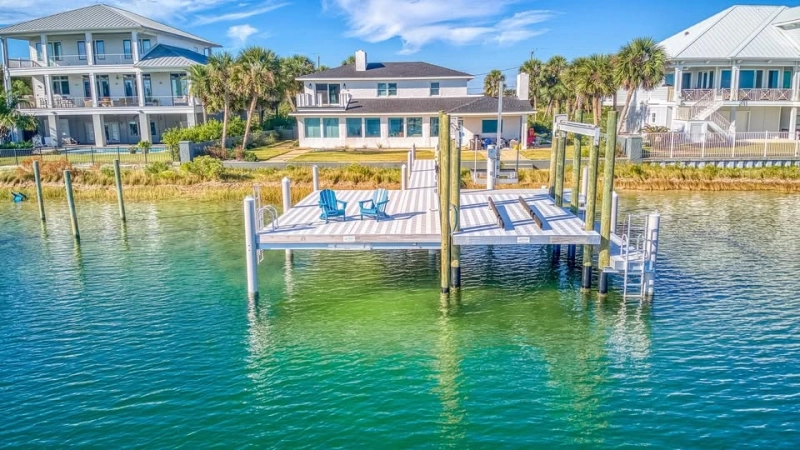
If you live on the coast or along a lakefront, you know just how powerful water can be. From constant wave action to seasonal storms and rising water levels, waterfront properties are always under threat. One of the most effective ways to protect land from erosion, flooding, and storm damage is through seawall construction. But building a seawall isn’t as simple as stacking rocks along the shoreline—it takes careful planning, engineering, and experience to do it right.
In this article, we’ll break down the basics of seawall construction, why it’s important, the materials involved, and what homeowners and property developers need to know before getting started.
What Is Seawall Construction?
Seawall construction involves building a vertical or near-vertical barrier between water and land to prevent erosion, flooding, and property damage. Seawalls are commonly found in coastal areas, along lakes, rivers, and canals, and in marinas or harbors. They act as a first line of defense, absorbing and deflecting wave energy before it can reach the shoreline.
Seawalls can be purely functional or designed with aesthetics in mind, blending into the surrounding landscape while protecting what’s behind them. In either case, their primary job is to preserve the land and infrastructure located near the water.
Why Seawall Construction Matters
Waterfront property is often a major investment, but it comes with unique risks. Over time, unchecked erosion can eat away at land, damage foundations, undermine trees, and even collapse entire structures. As weather patterns grow more unpredictable and sea levels rise, seawall construction is becoming more critical than ever.
Here’s why a well-built seawall matters:
- Prevents shoreline erosion
- Protects homes, roads, and infrastructure from flooding
- Preserves usable land for landscaping or recreation
- Adds long-term value to waterfront property
- Creates a safer and more stable environment for docks and boat lifts
Whether you’re a homeowner, a city planner, or a marina operator, seawalls are a smart, long-term investment in coastal resilience.
Types of Seawalls
Seawall construction is not one-size-fits-all. The type of wall you need depends on local wave conditions, soil composition, water depth, and the nature of the surrounding environment. Here are a few common types of seawalls:
1. Vertical Seawalls
These are the most traditional type, with a flat, upright face that reflects wave energy directly back toward the water. They’re typically built in areas with high wave action.
Pros: Strong protection, small footprint
Cons: Can cause wave reflection and scouring at the base
2. Curved or Stepped Seawalls
These are designed to dissipate wave energy more effectively by using a sloped or curved face. They help reduce the force of incoming waves and minimize erosion.
Pros: Better at reducing wave energy
Cons: More complex and costly to build
3. Riprap or Revetment Seawalls
Instead of solid barriers, these walls use large rocks or boulders piled along the shore to absorb wave energy naturally. They’re common in less urban areas.
Pros: Natural look, good for wildlife
Cons: Requires more shoreline space, can shift over time
4. Sheet Pile Seawalls
These walls are made of long panels (usually steel, vinyl, or composite) driven deep into the ground. They’re popular for canals, residential waterfronts, and marinas.
Pros: Space-saving, long-lasting
Cons: Installation can be noisy and expensive
Common Materials Used in Seawall Construction
The choice of material plays a big role in how long your seawall will last and how it performs in different conditions. Some of the most popular materials include:
- Concrete: Very durable and strong, ideal for high-energy environments. Can be molded into different shapes.
- Steel: Often used for sheet pile seawalls, known for strength but prone to corrosion in saltwater if not protected.
- Vinyl/Composite: Lightweight, corrosion-resistant, and low maintenance. Great for residential applications.
- Wood: Treated wood is sometimes used for smaller or temporary seawalls, but it’s less durable over time.
- Riprap (Stone): Offers natural erosion control and blends well with the environment.
Choosing the right material depends on your budget, the water conditions, and how long you need the structure to last.
The Seawall Construction Process
Building a seawall involves several phases, and it’s typically not a DIY project. Here’s what to expect:
1. Site Evaluation and Engineering
A seawall must be tailored to its environment. Engineers will assess water levels, soil conditions, wave energy, and environmental impact before choosing the type and materials for the wall.
2. Permitting
Most areas require environmental and zoning permits before starting seawall construction. Regulations are often strict to protect ecosystems, especially in coastal regions.
3. Excavation and Foundation
The shoreline is prepared, and excavation is done if necessary. For pile-based walls, pilings are driven deep into the soil to anchor the structure.
4. Wall Installation
Panels or forms are installed, and the structure is secured using deadmen anchors, tiebacks, or footers depending on the design.
5. Backfilling and Finishing
Once the wall is in place, soil is backfilled and compacted. Drainage pipes are often installed to relieve water pressure behind the wall. The final surface—whether it’s a walkway, landscaping, or fencing—is added last.
Maintenance and Longevity
While seawalls are designed to be tough, they aren’t maintenance-free. Over time, weathering, water pressure, and ground movement can cause damage. Regular inspections, especially after storms, are essential.
Look for signs like:
- Cracking or bowing
- Soil erosion behind the wall
- Rust (for steel)
- Loose or shifting stones (for riprap)
Many modern seawalls last 30-50 years or more with proper care and occasional reinforcement.
Final Thoughts: Investing in the Shoreline’s Future
Waterfront living is one of life’s greatest pleasures, but it comes with serious responsibilities. Seawall construction is one of the best ways to protect that investment—ensuring your property stands strong against the natural power of water.
Whether you’re a homeowner looking to stop erosion in your backyard or a municipality planning large-scale shoreline protection, a well-constructed seawall can make all the difference. With the right design, materials, and maintenance, it’s a barrier you can count on for decades to come.
If you’re near the water, don’t wait until erosion starts eating away at your land. Start planning today—because with seawall construction, peace of mind begins at the shoreline.