



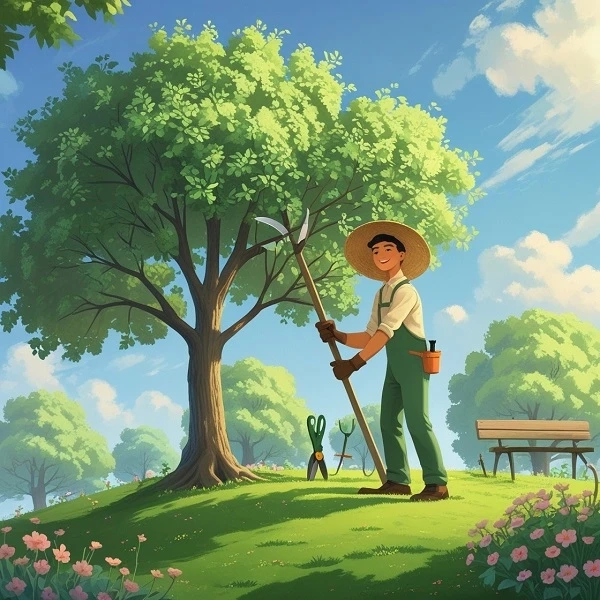
Pruning is one of the most important maintenance practices for trees, helping them stay strong, healthy, and visually appealing. However, pruning at the wrong time can stress a tree, invite disease, or interfere with its natural growth cycle. Understanding when to prune trees ensures healthier growth, better flowering, and improved structural strength. While every tree species has its own needs, there are general guidelines that homeowners, landscapers, and gardeners can follow to determine the ideal pruning season.
Why Timing Matters in Tree Pruning
Trees respond differently depending on the season in which pruning occurs. Proper timing helps:
- Encourage new, healthy growth
- Prevent the spread of pests and diseases
- Improve flowering and fruit production
- Maintain strong branch structure
- Reduce winter damage
Pruning at the wrong time, however, can expose trees to pathogens, cause sap bleeding, or stimulate weak growth just before harsh weather.
The Best Season for Most Tree Pruning: Late Winter to Early Spring
For the majority of tree species, late winter or early spring (February to early April) is the best time to prune. During this period, trees are still dormant, meaning they’re not actively growing. Dormant pruning has several benefits:
- Less stress on the tree: Pruning while dormant reduces the shock to the tree and allows it to heal as it enters the spring growth season.
- Better visibility: With no leaves, it’s easier to see the tree’s structure and remove dead, crossing, or weak branches.
- Reduced risk of disease: Many insects and fungi that infect fresh pruning wounds are inactive during the cold months.
- Stronger spring growth: Trees quickly close pruning wounds as new growth begins, supporting overall health.
This timing works particularly well for shade trees, hardwoods, and many fruit trees.
Exceptions: Trees That Should Not Be Pruned in Late Winter
Some trees should not be pruned in late winter because they produce heavy sap flow when cut during dormancy. These include:
- Maples
- Birches
- Walnuts
- Elms
Cutting these species too early can cause excessive bleeding. Although sap bleeding is not usually harmful, it can be messy and undesirable. For these trees, mid-summer pruning is often a better option.
Pruning Flowering Trees: Follow Their Bloom Cycle
Flowering trees require timing based on when they bloom:
- Spring-flowering trees (e.g., dogwoods, magnolias, cherries) should be pruned right after they finish blooming. Pruning too early removes the buds that would open the following spring.
- Summer-flowering trees (e.g., crape myrtle, smoke tree) should be pruned in late winter, since they set blooms on new growth.
Understanding the bloom cycle helps maintain both the health and beauty of ornamental trees.
Summer Pruning: Controlling Growth and Removing Defects
Mid to late summer is also a suitable time for light pruning. This is especially helpful for:
- Controlling fast growth
- Removing water sprouts and suckers
- Shaping young trees
- Eliminating hazardous branches
However, avoid heavy pruning during extremely hot weather, as it can stress the tree.
Fall: The Worst Time to Prune
Autumn is generally the least recommended time for pruning. Trees begin to enter dormancy in fall, and pruning can stimulate new growth that will not have time to harden before winter. This makes the tree more vulnerable to frost damage. In addition, many fungi release spores in fall, increasing the risk of infection.
Conclusion
The best time for tree pruning largely depends on the tree species and its natural growth cycle, but late winter to early spring remains the most beneficial period for most trees. Pruning during this time enhances structural strength, stimulates healthy growth, and minimizes the risk of disease. Flowering trees, sap-heavy species, and ornamental varieties may have special timing requirements, but with proper planning, pruning can dramatically improve tree health and long-term vitality.