



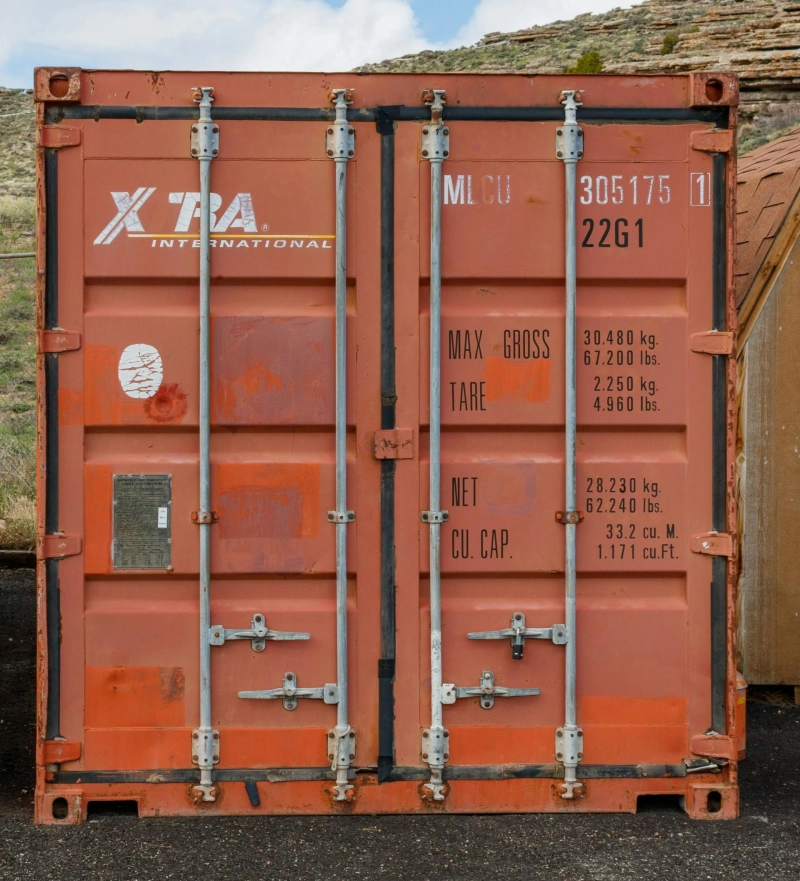
Sea can homes, also known as transport container homes, have emerged as an increasingly famous housing solution due to their affordability, sturdiness, and sustainability. With growing asset fees and a growing interest in eco-friendly residing, many people are turning to sea cans as a progressive and budget-friendly opportunity to traditional housing. In this guide, we'll stroll you through the whole thing you want to realize about building a lower-priced shipping container house, from making plans and layouts to charges and creation.
Why Choose a Sea Can Home?
Shipping box houses provide numerous benefits over conventional housing options. They are less expensive, as sea cans are distinctly cheaper compared to standard construction substances, making them a cost-powerful housing option. Their durability is another important benefit, as shipping bins are made from sturdy, weather-resistant metal, which can resist harsh conditions and last for decades. Additionally, repurposing used packing containers facilitates lessening waste and minimizes environmental effects, making them an eco-friendly desire. Sea cans even have a modular layout, allowing them to be easily changed, improved, and stacked to create precise living spaces. Lastly, constructing a sea can take much less time than conventional production methods, lowering labour expenses.
Planning Your Shipping Container Home
Before diving into creation, careful making plans is vital. One of the first steps is deciding on the right bins. Sea cans come in diverse sizes, with the most common being 20-foot (one hundred sixty sq. Toes.) and 40-foot (320 sq. Feet.) bins. High cube boxes offer an additional foot of height, providing more headroom for insulation and airflow. Buyers should additionally decide between new and used bins, with used ones being cheaper but doubtlessly requiring repairs.
Budgeting is every other key consideration. The cost of a sea can home varies depending on size, adjustments, and location. A primary sea can home can value anywhere from $20,000 to $50,000, even as a completely customized home can exceed $ hundred 000. Costs include purchasing the field, insulation, windows and doors, plumbing, electric work, and basic education. Additionally, it's crucial to check nearby zoning laws and construction codes before purchasing containers, as a few regions have restrictions on shipping box homes or require unique lets in.
Designing Your Sea Can Home
Sea can homes may be designed in diverse ways, from simple one-container dwellings to complicated multi-container structures. To optimize layout efficiency, homeowners must comprise clever garage solutions and multi-motive furniture. Since preferred transport containers are not designed for dwelling, insulation and airflow are critical. Options for insulation encompass spray foam, rigid foam, and blanket insulation. Cutting openings for windows and doorways should be done strategically to allow herbal light while retaining structural integrity.
For the ones looking to increase their area, a couple of containers may be stacked or joined, but structural reinforcement can be vital. The outside of a sea home can also be stronger with modifications, including a roof overhang, decking, or cladding, for improved aesthetics and functionality.
Construction and Building Process
Once the planning and layout phase is complete, it is time to build your sea can home. The method begins with website training and basic work. A strong basis is critical for balance, with alternatives, along with concrete slabs, piers, and pile foundations, relying on the terrain.
Next comes field modification, which involves reducing openings for doorways, home windows, and ventilation while reinforcing structural integrity. Proper insulation is then set up to ensure power performance, with spray foam insulation being the handiest. Interior completion consists of drywall, floors, and ceilings, and the regular use of sustainable materials for eco-friendly construction is also needed.
Experts must handle plumbing and electric paintings to meet safety standards and local construction codes. Once the most important production is complete, the very last touches, including painting, fixtures, and decorative elements, can be introduced. Homeowners who are inquisitive about off-grid living may additionally not forget to install solar panels or rainwater harvesting structures.
Pros and Cons of Sea Can Homes
The sea can houses offer many blessings; however, in addition, it includes some challenges. The foremost advantages consist of affordability, brief construction, eco-friendliness, and sturdiness. However, there are insulation-demanding situations, as the right insulation is wanted to save you from temperature extremes. Structural adjustments are also vital while slicing or becoming a member of packing containers, which might also upload costs. Additionally, some regions have strict zoning laws that would make acquiring permits difficult. Space limitations can also be a concern, requiring clever design solutions to maximize capability.
Conclusion
Sea-can houses are a first-rate desire for the ones searching for a low-cost, long-lasting, and sustainable housing choice. With careful plans, proper insulation, and a considerate layout, owners can create a snug and fashionable home with the use of shipping packing containers. Whether building a tiny domestic, an off-grid retreat, or a current modular house, sea cans offer endless possibilities for modern living. Researching neighbourhood regulations, planning a price range carefully, and operating with skilled experts will help deliver your imaginative and prescient lifestyles.