



If you live in London, you probably already know how easy it is to put off your dental appointments. Long commutes, busy schedules and the struggle to find an NHS dentist can all mean your routine scale and polish ends up at the bottom of the to-do list. Yet this simple, routine treatment can make a big difference to your oral health, confidence and long-term dental costs.
In this guide, we’ll walk through exactly what a scale and polish involves, how much it typically costs in London, who needs it, and what you can expect before, during and after your appointment.
What Is a Scale and Polish?
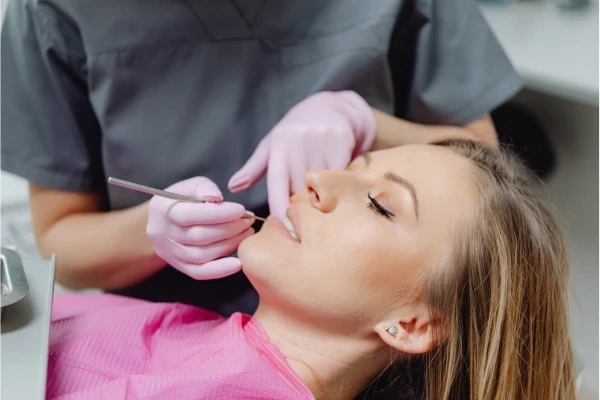
A scale and polish is a professional cleaning carried out by a dentist or dental hygienist. The aim is to remove plaque and hardened deposits of tartar (calculus) from your teeth and along the gum line, then smooth and polish the tooth surfaces.
Even if you brush and floss perfectly, it’s almost impossible to remove all plaque at home. Over time, this soft plaque hardens into tartar, which can only be removed with professional instruments. If it’s left in place, it irritates the gums and increases your risk of gum disease, bad breath and tooth loss.
A typical appointment will usually include:
- Scaling: removal of plaque and tartar above and sometimes just below the gum line
- Polishing: smoothing the teeth to remove surface stains and make it harder for new plaque to stick
- Oral hygiene advice: tailored tips on brushing, flossing and lifestyle to keep your mouth healthier between visits
It’s a preventive treatment: the goal is to keep your teeth and gums healthy, so you avoid more complex (and expensive) treatment later.
Why Is a Scale and Polish So Important?
1. Protecting Your Gums
Plaque and tartar are the main triggers for gum inflammation. Early gum disease (gingivitis) often shows up as red, puffy gums that bleed when you brush. If this isn’t treated, it can progress to periodontitis, where the supporting structures of the teeth are gradually destroyed.
A regular scale and polish helps:
- Remove the build-up that causes bleeding gums
- Reduce inflammation
- Lower the risk of long-term damage to bone and ligaments around the teeth
For many patients, it’s the difference between occasionally bleeding gums and keeping their teeth for life.
2. Fresher Breath
Persistent bad breath is often linked to bacteria trapped in plaque and tartar. By thoroughly cleaning these areas, especially around the gum margins and between the teeth, a scale and polish can significantly improve breath freshness.
3. A Brighter, Cleaner Smile
While a scale and polish is not the same as teeth whitening, it does remove surface stains from tea, coffee, red wine and smoking. Many patients notice their teeth look brighter and feel smoother immediately after treatment.
4. Saving Money in the Long Run
Prevention is almost always cheaper than cure. A regular hygiene visit with scale and polish costs far less than:
- Fillings
- Root canal treatment
- Crowns or implants
- Periodontal surgery
By keeping plaque at bay, you are investing in your future dental health and avoiding more extensive (and costly) procedures later on.
Who Should Consider Scale and Polish Treatment in London?
Most adults benefit from a scale and polish at least once a year, and many need it more often. You’re particularly likely to benefit if:
- Your gums bleed when you brush or floss
- You’ve been told you have gingivitis or early gum disease
- You smoke or vape
- You drink a lot of tea, coffee, red wine or fizzy drinks
- You wear braces, clear aligners, bridges or dentures
- You haven’t seen a dentist or hygienist for a long time
In London, where access to NHS dentistry can be limited and many people rely on private care, booking regular hygiene appointments can be an effective way to stay on top of your oral health even if you’re not having other treatments.
What Happens During a Scale and Polish Appointment?
Knowing what to expect can make the process far less daunting, especially if you’re nervous about dental visits.
1. Initial Assessment
Your dentist or hygienist will usually start with a quick assessment of your teeth and gums. They may:
- Ask about your medical history, medications and any symptoms (such as bleeding gums or sensitivity)
- Examine your gums for signs of inflammation, recession or pocketing
- Check for visible plaque, tartar and staining
If you haven’t been to the dentist for a while, they may also recommend X-rays to assess bone levels and look for hidden problems.
2. Scaling
Using either hand instruments or an ultrasonic scaler, your clinician will remove tartar and plaque from:
- The front and back surfaces of the teeth
- Along the gum line
- Sometimes just under the gum, if needed
An ultrasonic scaler uses high-frequency vibrations and a cooling water spray to break up tartar. You may hear a buzzing noise and feel gentle vibration, but it shouldn’t be painful. Some patients experience mild sensitivity, particularly if there is a lot of build-up or the gums are inflamed.
If your teeth are very sensitive or you are particularly anxious, a numbing gel or local anaesthetic can sometimes be used to make the procedure more comfortable.
3. Polishing
Once the tartar has been removed, your teeth will be polished using a rotating rubber cup or brush and a special polishing paste. This step:
- Smooths the tooth surfaces
- Helps remove surface stains
- Makes it slightly harder for plaque to stick immediately afterwards
Some clinics also offer air polishing (AirFlow), which uses a fine jet of air, water and powder to remove stains more gently and efficiently, especially around orthodontic appliances and difficult-to-reach areas.
4. Oral Hygiene Advice
At the end of the appointment, your dentist or hygienist will usually discuss:
- How you’re brushing (and whether your technique could be improved)
- Which type of toothbrush or interdental cleaning methods (floss, interdental brushes, water flossers) would suit you best
- Lifestyle factors such as smoking, alcohol, diet and sugar intake
This personalised advice is one of the most valuable parts of the visit and can make a big difference to how long your mouth stays clean afterwards.
How Often Should You Have a Scale and Polish?
There’s no one-size-fits-all answer, but common recommendations are:
- Every 6–12 months for patients with generally healthy gums
- Every 3–4 months for those with a history of gum disease or heavy tartar build-up
- More frequently during certain treatments, such as orthodontic care, when cleaning is more difficult
Your dentist or hygienist will suggest an interval based on your individual risk factors, such as smoking, diabetes, medication, stress and how well you clean at home.
What Does Scale and Polish Treatment Cost in London?
Costs can vary depending on whether you’re seen under the NHS or privately, and which part of London you visit.
NHS Costs
In England, a routine NHS dental examination, including a scale and polish if clinically needed, falls under Band 1, which is currently £27.40.
However, many patients struggle to access NHS dental care in London, or find that the time available for hygiene procedures is limited.
Private Costs
For private treatment, prices vary widely between practices, but recent UK data suggests:
- A typical 30-minute scale and polish with a hygienist costs around £75 on average, with common ranges between £50 and £120, depending on region and clinic.
- Many London clinics list standard hygiene or scale and polish appointments from about £70–£85 for a routine visit, with higher fees for longer appointments or advanced services like AirFlow stain removal.
- Larger corporate or central London practices may charge significantly more, with some hygienist visits starting from £150–£175.
In practical terms, if you’re booking a scale and polish in London, you can usually expect to pay somewhere in the region of £70–£120 for a standard private appointment, with higher fees for longer or complex sessions.
Factors That Affect the Cost
Your final fee will depend on:
- Whether you’re a new patient or attending for routine maintenance
- The length of the appointment (30 minutes vs 45–60 minutes)
- Whether you need basic cleaning or more advanced periodontal work
- If extras are included, such as AirFlow polishing or fluoride treatment
- The location and reputation of the clinic (central London tends to be more expensive)
Some practices offer membership plans or hygiene packages, which can reduce the cost if you attend regularly.
Scale and Polish vs Deep Cleaning: What’s the Difference?
It’s important to understand that a routine scale and polish is not the same as a deep clean (sometimes called root planing or periodontal cleaning).
- A scale and polish targets plaque and tartar above and just below the gum line to keep healthy or mildly inflamed gums in good condition.
- A deep clean goes much deeper under the gums, often working in sections of the mouth and sometimes using local anaesthetic. It is used when there is established gum disease, bone loss and deeper pockets.
If your dentist or hygienist finds signs of more advanced gum disease, they may recommend a course of periodontal treatment in addition to or instead of a standard scale and polish.
Does Scale and Polish Treatment Hurt?
Most people find a scale and polish mildly uncomfortable at worst, especially if they attend regularly and their gums are relatively healthy. You might notice:
- Sensitivity to cold water during ultrasonic scaling
- Mild tenderness around the gums afterwards
- Slight bleeding if your gums are already inflamed
If you haven’t seen a hygienist for many years and have a lot of tartar, the first session may feel more intense. The good news is that once the initial build-up has been removed and you maintain regular visits, future appointments are usually much more comfortable.
Always tell your clinician if you are anxious or have sensitive teeth — they can:
- Use numbing gels
- Adjust the power of the ultrasonic scaler
- Take more breaks
- Consider local anaesthetic for specific areas if needed
How to Look After Your Teeth After a Scale and Polish
Your teeth will feel particularly smooth and clean after treatment. To keep that fresh feeling for as long as possible:
- Brush twice daily with a fluoride toothpaste, using a gentle but thorough technique
- Clean between your teeth every day using floss or interdental brushes
- Try to limit frequent sugary snacks and drinks
- Avoid smoking, which accelerates staining and gum problems
- Consider using a soft-bristled brush if your gums are tender
Your dentist or hygienist may advise avoiding very hot, cold or strongly coloured foods and drinks (like curry, red wine or black coffee) for a few hours, especially if you’ve had intensive stain removal.
Choosing a Scale and Polish Clinic in London
When you’re searching for scale and polish treatment in London, it’s worth taking a little time to choose the right clinic. Consider:
- Qualifications and registration – ensure dentists and hygienists are registered with the General Dental Council (GDC).
- Clear, transparent fees – look for practices that display their hygiene prices openly and are happy to explain what is included.
- Convenient location and opening hours – especially important if you work long hours or commute.
- Experience with anxious patients – check reviews or ask whether they have a gentle, patient-centred approach.
- Hygiene-focused care – many London practices now offer direct access to dental hygienists, making it easier to book a scale and polish without a long delay.
Final Thoughts: Is a Scale and Polish in London Worth It?
For most people, the answer is yes. A regular scale and polish is one of the simplest, quickest and most effective ways to:
- Protect your gums and teeth
- Reduce bad breath
- Keep your smile looking clean and bright
- Avoid more complex dental treatment in the future
If you can’t remember the last time you had a professional clean, or you’ve noticed bleeding gums, staining or bad breath, this is a good time to book in.
Whether you choose an NHS dentist (where available) or a private clinic, prioritising a scale and polish in London is a small step that can make a very big difference to your long-term oral health.