



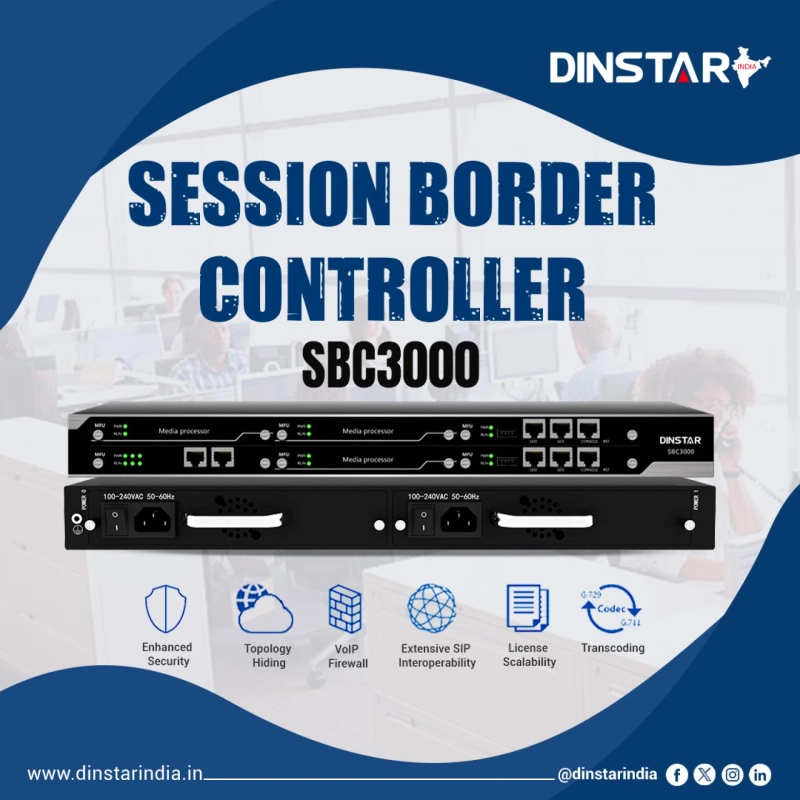
In today’s fast-paced digital era, communication plays a vital role in the success of every business. With the rise of VoIP (Voice over Internet Protocol), unified communications, and cloud-based collaboration platforms, organizations are constantly looking for ways to secure, streamline, and optimize their communication systems. This is where an SBC provider becomes essential.
A Session Border Controller (SBC) is more than just a technical device; it is a critical component that ensures smooth, secure, and reliable communication across different networks. Whether you are a small business adopting VoIP for the first time or a large enterprise handling thousands of concurrent calls, working with the right SBC provider can make a significant difference.
This blog will cover everything you need to know about SBC providers, why they matter, their benefits, key features, and how to choose the right one for your business.
What is an SBC Provider?
An SBC provider is a company that delivers Session Border Controllers as either hardware, software, or cloud-based solutions. These providers specialize in enabling businesses and service providers to manage VoIP traffic, enhance call security, and ensure seamless interoperability between different communication systems.
SBCs are deployed at the border between enterprise networks and external carrier or service provider networks. Their role is to monitor, secure, and manage all real-time communication traffic such as voice, video, and messaging.
Simply put, an SBC provider ensures that your communication is:
- Secure from cyber threats.
- Stable with minimal call drops.
- Scalable to meet growing business needs.
Why Do Businesses Need an SBC Provider?
With the growing adoption of VoIP and unified communications, businesses face challenges such as cyberattacks, poor interoperability, and compliance issues. An SBC provider helps overcome these challenges in the following ways:
- Security – SBCs protect communication systems from fraud, denial-of-service (DoS) attacks, eavesdropping, and unauthorized access.
- Interoperability – They act as a bridge between different VoIP systems, carriers, and platforms to ensure calls are connected smoothly.
- Quality of Service (QoS) – SBCs monitor voice quality, reduce latency, and prevent jitter during calls.
- Regulatory Compliance – Many industries require secure communication and call recording to comply with legal standards. SBCs help achieve this.
- Cost Efficiency – By optimizing bandwidth and routing, SBCs reduce communication costs significantly.
Without an SBC provider, businesses risk unreliable connections, communication breakdowns, and security breaches.
Key Benefits of Working with an SBC Provider
Choosing a reliable SBC provider offers multiple advantages for businesses of all sizes. Let’s explore the top benefits:
1. Enhanced Security
Cyberattacks targeting VoIP systems are on the rise. An SBC provider safeguards your network against toll fraud, spoofing, and data theft by encrypting voice traffic and monitoring suspicious activities.
2. Seamless Connectivity
Different carriers and platforms often use different protocols. SBCs normalize these protocols, ensuring that your calls connect without interruptions.
3. Improved Voice Quality
By managing bandwidth and applying Quality of Service (QoS) policies, SBCs minimize issues like call drops, jitter, and echo, providing a better user experience.
4. Centralized Control
An SBC provider offers centralized call management, routing policies, and monitoring tools, allowing IT teams to have full control over communication traffic.
5. Regulatory Compliance
Industries such as finance, healthcare, and government require strict compliance with privacy laws. SBCs ensure encryption and secure recording for regulatory adherence.
6. Scalability and Flexibility
As your business grows, so does the need for reliable communication. SBC providers allow you to scale up without performance issues, whether you’re handling hundreds or thousands of concurrent sessions.
Features to Look for in an SBC Provider
When choosing an SBC provider, it’s important to understand the features that will bring the most value to your business. Here are some must-have features:
- VoIP Security – Protection against DoS/DDoS attacks, fraud, and unauthorized access.
- Interoperability Support – Ability to work with multiple SIP trunks, carriers, and VoIP systems.
- High Availability – Redundancy and failover support for uninterrupted communication.
- Quality Monitoring – Real-time analytics and monitoring for voice quality.
- Encryption – Support for TLS and SRTP to ensure secure calls.
- Routing and Policy Control – Advanced call routing and dial plan management.
- Cloud Compatibility – Support for hybrid or cloud-based deployments.
- Scalability – Flexible options to grow as your business expands.
Types of SBC Providers
SBC providers can be categorized based on the type of solution they offer:
- Hardware SBC Providers
- These providers deliver physical appliances that handle call traffic. They are suitable for businesses with large on-premises setups.
- Software SBC Providers
- These providers offer SBCs as software solutions that can be installed on existing servers. They are more flexible and cost-effective than hardware solutions.
- Cloud SBC Providers
- Cloud-based SBCs are managed and hosted by the provider. They are ideal for businesses using cloud communications and remote work setups.
How to Choose the Right SBC Provider
Selecting the right SBC provider is crucial for achieving secure and reliable communication. Here are some factors to consider:
- Business Size and Needs
- A small business may not need the same level of complexity as a large enterprise. Choose an SBC provider that matches your scale.
- Compatibility
- Ensure the provider’s SBC works with your existing VoIP system, IP PBX, or unified communication platform.
- Security Capabilities
- Look for strong encryption, fraud prevention, and advanced firewall features.
- Scalability
- Your provider should be able to support business growth without major infrastructure changes.
- Support and Service
- Reliable 24/7 customer support is a must. Downtime in communication can impact productivity and customer satisfaction.
- Cost Efficiency
- Compare pricing models—hardware, software, or cloud—and choose one that provides long-term value.
SBC Provider for Enterprises vs. Service Providers
The needs of enterprises and telecom service providers differ significantly:
- Enterprises require SBCs mainly for secure communication, internal collaboration, and connecting remote employees.
- Service providers rely on SBCs to handle massive amounts of concurrent sessions, ensure carrier-grade reliability, and maintain interoperability with multiple networks.
A good SBC provider tailors solutions to meet the unique requirements of both categories.
The Future of SBC Providers
As communication technologies evolve, SBC providers are playing an even more critical role. Trends shaping the future include:
- 5G Integration – Supporting ultra-fast, low-latency communication.
- Cloud-Native SBCs – Fully scalable and flexible solutions for cloud-first businesses.
- AI and Automation – Automated traffic routing, anomaly detection, and predictive maintenance.
- Unified Communications Growth – Supporting video conferencing, messaging, and collaboration tools in addition to voice.
The future of SBC providers lies in delivering smarter, more secure, and fully integrated communication solutions.
Conclusion
In a world where communication is central to business success, an SBC provider plays a pivotal role in ensuring secure, reliable, and seamless connectivity. By working with the right provider, businesses can protect themselves from security threats, improve call quality, and future-proof their communication systems.