



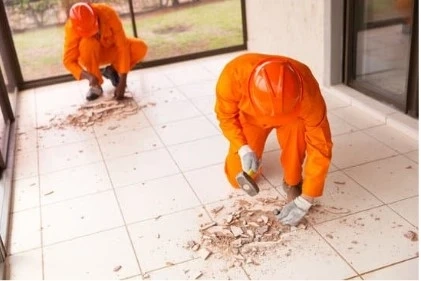
Are your outdated tiles dragging down the look of your space? Whether it’s a worn-out bathroom, an old kitchen backsplash, or cracked floor tiles, removing old tile doesn’t have to mean dust clouds, broken pieces, or costly repairs. In fact, with the right tools and strategy, you can take up tiles cleanly and safely—without damaging your subfloor or surrounding tiles.
In this guide, we’ll show you step-by-step how to remove tiles the easy way, protect your surfaces, and prep your space for a beautiful update—all without calling in the pros or destroying your floor in the process.
Why You Should Learn to Remove Tiles Properly
Removing tiles may seem like a demolition job, but it’s actually a precision process. Doing it right protects:
- Your subfloor or wallboard from costly damage
- Surrounding tiles you want to keep
- Yourself—from sharp edges and flying debris
Whether you’re replacing just a few tiles or clearing out an entire floor, a gentle but effective approach is the key to success.
Tools You’ll Need for Safe Tile Removal
Before you start, gather the right tools. These will help you work smarter—not harder:
- Grout saw or oscillating multi-tool
- Hammer
- Cold chisel or putty knife
- Utility knife
- Protective gear (gloves, goggles, knee pads)
- Shop vacuum or dustpan
- Bucket and sponge
Optional but helpful:
- Heat gun or hair dryer (to soften adhesive)
- Suction cup tile lifter (to remove intact tiles cleanly)
Step 1: Start with the Grout
The grout acts like the glue that holds everything in place. Start by removing the grout around the tiles you want to lift.
Here’s how:
- Use a manual grout saw or oscillating multi-tool to cut through grout lines.
- Be gentle to avoid damaging nearby tiles if you're only replacing a few.
- Vacuum or brush out debris as you go to keep visibility clear.
Tip: Work slowly—damaging the grout around surrounding tiles could loosen them unintentionally.
Step 2: Loosen the Tile with Heat (Optional but Powerful)
If your tiles are especially stubborn, heat can soften the adhesive underneath and make removal much easier.
- Use a heat gun or hair dryer on high.
- Hold it 6–8 inches above the tile for 30–60 seconds.
- Focus on one tile at a time.
Result: Softer mortar or mastic makes tiles lift cleaner and faster.
Step 3: Pry the Tile Gently
Once the grout is out and any adhesive softened, it’s time to lift the tile.
How to do it:
- Insert a putty knife or cold chisel at the edge of the tile.
- Tap the handle lightly with a hammer to slide it under the tile.
- Work your way around the tile until it pops loose.
If the tile doesn’t budge: Apply more heat and try from a different angle.
Pro Tip: If you're trying to save and reuse the tile, work slowly and wear gloves to protect it (and yourself) from sharp breaks.
Step 4: Remove Leftover Adhesive
Once the tile is up, you’ll often find leftover mortar, mastic, or thin-set on the surface.
Remove it like this:
- Use a scraper or oscillating tool with a scraping blade.
- For stubborn areas, apply a tile adhesive remover gel and wait as instructed.
- Clean the surface with a wet sponge to remove dust and loosened debris.
This step is crucial for preparing the surface for new tile, vinyl, or paint.
Step 5: Clean and Inspect the Subfloor or Wall
After you’ve removed the tile and adhesive, take a few minutes to inspect the area for damage.
Look for:
- Cracks or holes in the surface
- Moisture or water damage
- Uneven or rough patches
Fix issues now—before installing new tile—to ensure a smooth, long-lasting finish.
Bonus: How to Remove Just One Tile (Without Ruining the Rest)
Don’t want to replace an entire area? You can surgically remove a single tile with minimal mess.
Here's how:
- Remove grout around the tile with a grout saw.
- Drill small holes in the center of the tile to weaken it (optional).
- Use a chisel and hammer to break the tile inward, not toward the edges.
- Carefully pry up pieces, working from the center outward.
Key tip: Go slow—preserving the surrounding tiles is all about control, not speed.
What NOT to Do When Removing Tiles
To avoid extra costs and frustration, skip these common tile removal mistakes:
❌ Don’t pry tiles before removing the grout
❌ Don’t use metal tools without gloves—chips can be razor sharp
❌ Don’t skip surface prep if you’re retiling
❌ Don’t rush—one cracked tile can lead to five more
When to Call a Professional
If you’re dealing with:
- Large areas of tile (over 100 sq. ft.)
- Asbestos concerns in older adhesive
- Extensive water or subfloor damage
- Radiant heat flooring beneath tile
…it may be time to bring in a professional. They’ll have the right tools and experience to do the job safely and efficiently.
Conclusion: Remove Old Tiles the Right Way, Without Breaking a Sweat
Removing tiles doesn’t have to mean disaster. With patience, the right tools, and a little bit of strategy, you can say goodbye to old tiles without damaging your home—or your sanity. And if the job turns out to be more than you bargained for, Salem Tile Setters is just a call or click away to help get it done professionally.
Whether you’re preparing for a fresh floor install, replacing just one tile, or giving your space a full refresh, these easy tile removal steps will help you do it right the first time.
So grab your tools, take it slow, and enjoy the satisfying feeling of cleanly lifting away the old to make room for something new.