



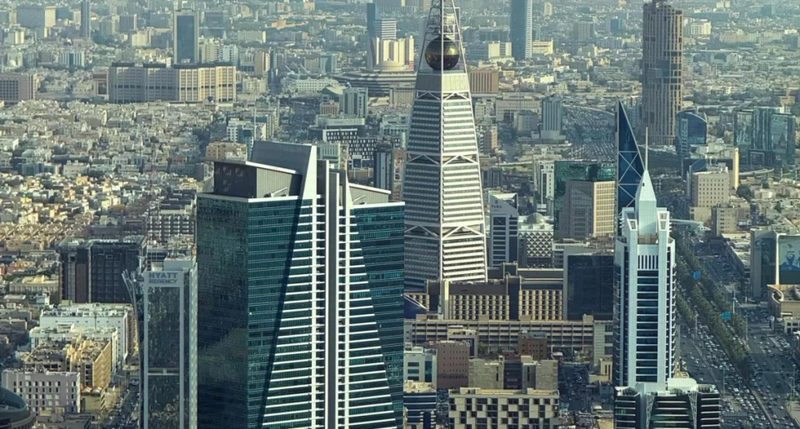
Saudi Arabia’s recent decision to implement a five-year rent freeze across key cities marks a defining shift in the Kingdom’s property market. What was once a rapidly growing residential rental scene is now entering a period of stability, pushing investors to reassess where the real value lies and many are eyeing the commercial sector as the next frontier.
A Cooling Residential Market
For years, Saudi Arabia’s residential property market thrived on steady rental growth, fueled by a youthful population, strong urban migration, and ambitious home ownership initiatives under Vision 2030. The rent freeze, however, is likely to temper those dynamics. With landlords unable to increase rents for several years, the appeal of residential investment is gradually shifting from short-term profit to long-term stability.
Rather than chasing quick gains, investors now need to focus on securing high-quality tenants and maintaining occupancy. The market is becoming more about consistent returns than rapid appreciation signaling a move toward maturity in the Kingdom’s real-estate ecosystem.
Commercial Property Steps Into the Spotlight
While the residential segment cools, the commercial property market especially premium office space in Riyadh is enjoying a surge in demand. Global corporations are increasingly relocating their regional headquarters to the Saudi capital under the government’s Regional Headquarters (RHQ) program. This influx has pushed occupancy rates in top-tier office spaces to near capacity and driven rental prices upward.
These trends suggest that commercial real estate, particularly in strategic business hubs, could offer investors better yields and long-term growth prospects than the frozen residential market. Office buildings, logistics centers, and retail developments are becoming attractive options for those seeking predictable income streams and exposure to the Kingdom’s economic diversification.
Rethinking the Investment Equation
The rent freeze changes the rules of engagement for property investors. In the past, many relied on annual rent hikes to drive returns. Now, success depends more on asset quality, tenant reliability, and prudent management. The focus is shifting from speculation to sustainability.
In this new landscape, commercial landlords enjoy the advantage of strong demand from high-value tenants, while residential investors will need to prioritize affordability, location, and tenant retention to remain competitive.
Opportunities and Risks
Investors should also weigh the nuances. Commercial yields in Riyadh, averaging between 7% and 9%, look appealing compared with residential yields of around 5% to 7%. However, commercial investments demand deeper due diligence evaluating tenant creditworthiness, lease duration, and property maintenance costs. Residential real estate, while less lucrative in the short term, still benefits from supportive demographics and continued government initiatives promoting home ownership.
A Market in Transition
The rent freeze is not a signal of stagnation it’s a sign of transformation. Saudi Arabia’s property market is maturing from a speculative environment into one defined by stability, transparency, and long-term planning. With mega-projects like NEOM, Qiddiya, and The Line underway, the nation’s real-estate sector continues to offer compelling opportunities for investors who adapt to the evolving dynamics.
The Bottom Line
The rent freeze may have slowed one part of the market, but it has also redirected momentum toward commercial assets that promise resilience and growth. For investors, the message is clear: in the Kingdom’s next chapter of real-estate evolution, strategic patience and diversification will be key to unlocking sustainable returns.