


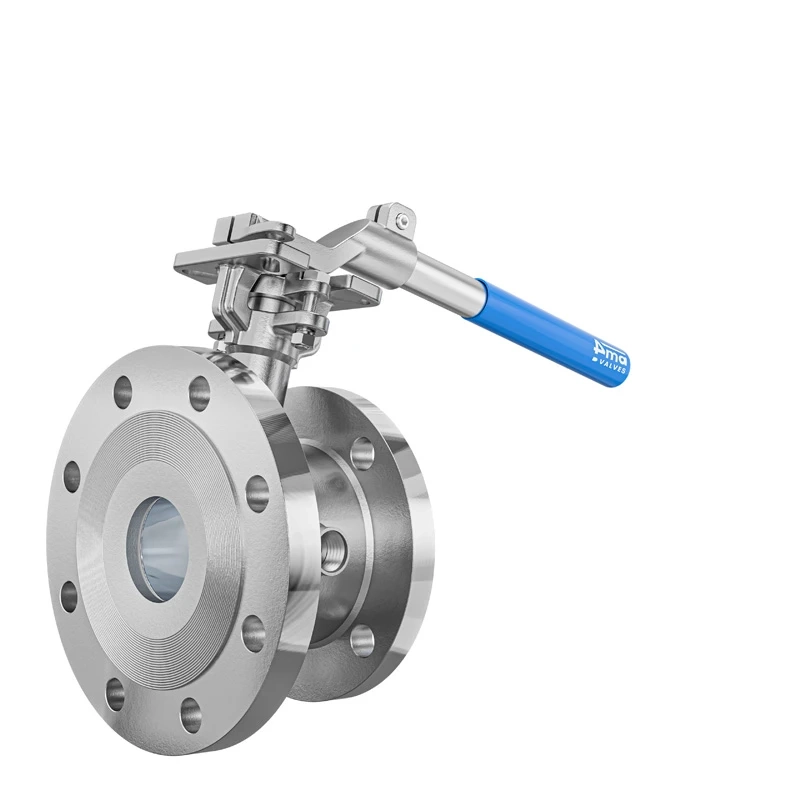
In industries where hygiene, cleanliness, and product integrity are critical, flow control equipment must meet strict sanitary standards. Sanitary ball valves are specifically designed to handle these requirements, making them essential components in food, beverage, pharmaceutical, dairy, and biotechnology processes. Their unique design features support contamination-free operation, easy cleaning, and reliable performance in hygienic systems.
What Are Sanitary Ball Valves?
Sanitary ball valves are quarter-turn valves engineered for applications that require high levels of cleanliness. Unlike conventional industrial valves, they are designed to eliminate dead spaces where product residue or bacteria can accumulate. Their smooth internal surfaces and hygienic connections make them ideal for clean process environments.
Key Design Features of Sanitary Ball Valves
Smooth Internal Flow Path
One of the most important features of sanitary ball valves is their polished internal surface. Smooth flow paths reduce turbulence and prevent product buildup, ensuring efficient flow and minimizing the risk of contamination.
Hygienic Body Construction
Sanitary ball valves are typically manufactured using stainless steel grades suitable for hygienic service. These materials resist corrosion, are easy to clean, and maintain structural integrity under repeated cleaning cycles.
Minimal Dead Space
Dead zones in a valve can trap product and lead to bacterial growth. Sanitary ball valves are designed with minimal cavity volume to allow complete drainage and thorough cleaning, which is essential in hygienic processing.
FDA-Approved Sealing Materials
The seats and seals used in sanitary ball valves are made from food-grade elastomers that comply with hygiene standards. These materials provide reliable sealing while withstanding temperature variations and aggressive cleaning agents.
Clamp and Weld End Connections
To support hygienic installation, sanitary ball valves commonly use tri-clamp or welded end connections. These connections reduce crevices and allow easy disassembly for inspection or maintenance.
Compatibility with CIP and SIP Systems
Clean-in-Place (CIP) and Sterilize-in-Place (SIP) processes are essential in hygienic industries. Sanitary ball valves are designed to withstand high temperatures, pressure, and cleaning chemicals used during these cycles. Their construction ensures that all internal surfaces are properly cleaned without manual intervention.
Automation and Operational Efficiency
Sanitary ball valves can be easily automated using pneumatic or electric actuators. Automated operation improves process consistency, reduces human contact, and supports modern hygienic production lines. Automation also allows precise control and integration with process control systems.
Applications of Sanitary Ball Valves
Due to their hygienic design, sanitary ball valves are widely used in:
- Food and beverage processing
- Dairy and milk handling plants
- Pharmaceutical and biotech manufacturing
- Breweries and distilleries
- Cosmetic and personal care production
Their versatility makes them suitable for both liquid and semi-liquid media.
Maintenance and Longevity
Sanitary ball valves are designed for easy maintenance. Their modular construction allows quick disassembly, cleaning, and replacement of sealing components. Regular maintenance ensures long service life and consistent hygienic performance.
Importance of Choosing the Right Manufacturer
Working with an experienced manufacturer ensures compliance with hygiene standards and consistent product quality. Companies like 4ma valves automation focus on precision engineering and quality control to deliver sanitary ball valves that meet the demanding requirements of hygienic industries.
Conclusion
Sanitary ball valves play a crucial role in hygienic flow control by combining clean design, reliable sealing, and compatibility with CIP/SIP systems. Their smooth internal surfaces, minimal dead space, and hygienic materials make them essential for industries where cleanliness cannot be compromised. By selecting the right valve design and a trusted manufacturer, industries can maintain product quality, safety, and operational efficiency across hygienic process systems.