



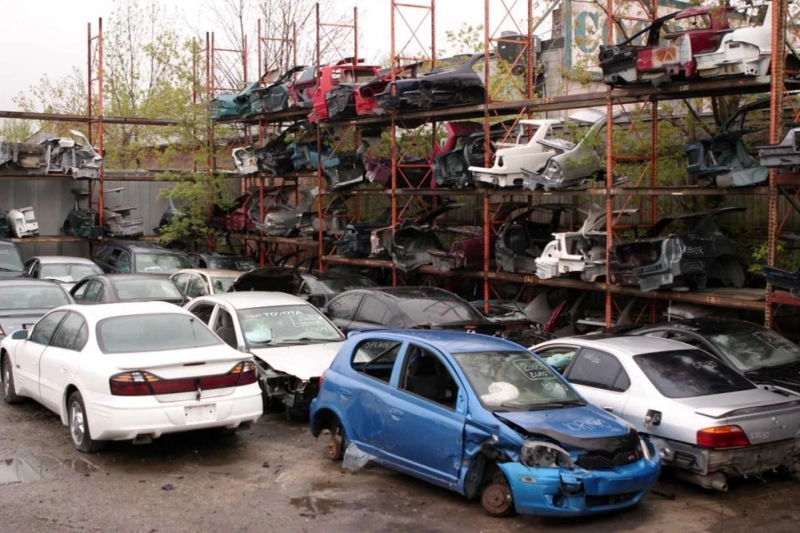
Across Australia, thousands of cars reach the end of their road life each year. Many of them are left unused, broken down, or written off. While these vehicles may look like scrap to most, they often hold something much more useful. Through a process that blends experience, attention to detail, and skill, old cars are broken down and their parts brought back into circulation. This is the world of salvage alchemy — the craft of turning vehicle waste into useful parts for restorations and rebuilds.
What Counts as Automotive Waste?
Automotive waste includes more than just rusted metal. It refers to every part of a vehicle that is no longer in working order or cannot be used as is. This includes engines that have seized, doors with major dents, cracked dashboards, and damaged suspension systems. Even items like cracked tail lights or faulty wiring can become part of the salvage process if they are treated and repaired properly.
The Role of Salvage Yards
Salvage yards are central to this process. They are the places where old cars are taken apart piece by piece. Items that still have potential are cleaned, repaired, and tested. Some are sold as parts for classic restorations, while others are used in new projects. These yards are more than just storage sites; they are active workshops where vehicles are broken down for reuse.https://www.cash4carstownsville.com.au/
Commonly Recovered Items
- Engines and transmissions: Even if a car is no longer running, the engine or gearbox might still be in good shape.
- Body panels: Doors, bonnets, and guards can often be reused after basic repairs.
- Interior parts: Seats, consoles, and dashboards are in demand for vintage rebuilds.
- Glass and lights: Windows and headlights can be taken from one car and used in another of the same make.
- Electrical components: Fuses, switches, and sensors are often reused in matching vehicles.
Step-by-Step: From Scrap to Part
Step 1: Vehicle Intake
When a car is no longer needed, it is brought to a salvage yard. These vehicles may have been sitting unused or might have been involved in an accident. The first step is a visual inspection to identify parts that might still be worth recovering.
Step 2: Fluid Drainage and Safety Check
Before anything is removed, all fluids are drained from the car. This includes fuel, oil, coolant, and brake fluid. Safety is a priority, especially when working around air bags or electrical systems.
Step 3: Dismantling
Parts are removed carefully so they do not break during the process. Special tools are used to remove panels, wiring, suspension systems, and engine components. Items that are no longer useful are separated and sent for recycling.
Step 4: Testing and Sorting
Recovered parts are cleaned and checked. Some are repaired, while others are stored for sale or future use. Parts from certain models are more valuable because they are hard to find in the current market.
Step 5: Selling or Rebuilding
Once a part is confirmed to be functional, it can be sold to mechanics, car builders, or individuals working on a restoration. Some parts go directly into rebuild projects, while others are held for future use.
Why This Process Matters
- It helps reduce the amount of waste going to landfill.
- It supports the supply of parts for older vehicles that are no longer in production.
- It lowers the need for new manufacturing by putting existing materials to use.
- It contributes to local repair shops and builders looking for specific components.
This system also helps reduce the demand for imported parts. In areas where classic or rare vehicles are common, local salvage yards are one of the few sources for matching parts.
Industry Facts
- Over 80 per cent of a typical car can be reused or recycled.
- Australia generates over 500,000 end-of-life vehicles each year.
- Steel from scrapped cars is often melted and reused in other industries, such as construction or machinery.
How Removal Services Start the Process
Before any of this can happen, the vehicle must be taken off the property or road where it has been sitting. That is where Car Body Removal Townsville becomes an important part of the cycle. Vehicles that are no longer usable are picked up and taken to salvage yards, where the real transformation begins. Whether the goal is to clean up a property or move a car out of storage, this first step makes the rest possible. One such provider, Cash 4 Cars Townsville, has helped feed this cycle by collecting cars that would otherwise be forgotten and giving them a chance to be useful again.
Challenges in the Salvage Process
Not all parts can be reused. Rust, fire damage, or deep wear can make items unusable. Matching parts across different model years or brands can also take time and research. Salvage yards must stay organised, keep up with market demand, and ensure parts are stored in a way that keeps them in good condition.
Still, despite these challenges, the effort pays off. Vehicles that were once considered junk become sources of life for other cars. It shows how reuse and recycling can go hand-in-hand with building something new.
Conclusion
Salvage alchemy is more than just breaking down old vehicles. It is a thoughtful process that finds new purpose in what many would throw away. With careful dismantling, testing, and matching, automotive waste becomes the foundation for restoration and repair. This work supports local industries, reduces waste, and gives old parts another chance to return to the road. Through every bolt, wire, and panel, the spirit of restoration continues to grow — powered by the hands that know where to look and what to save.