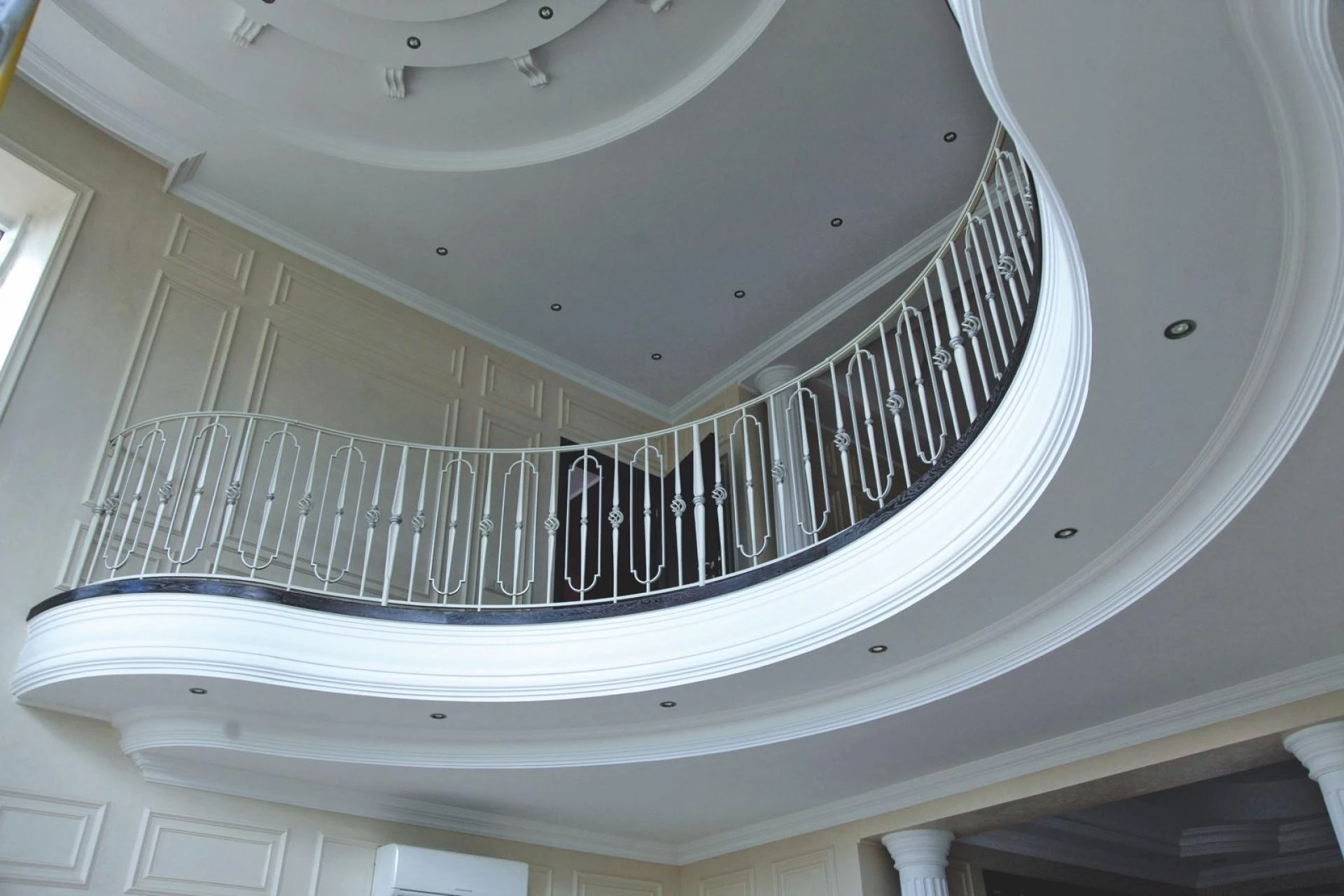
Railings are a critical safety component in homes that protect people from falls, offer structural support, and contribute to the overall stability of balconies, staircases, and terraces. For a functional staircase or balcony railing, safety standards must always come before design.
A responsible railing manufacturer follows strict safety guidelines at every stage. For example, Grande Forge consistently meets these standards while delivering reliable and visually appealing railing solutions.
Importance of Safety Standards in Railing Manufacturing
Safety standards exist to reduce risk and ensure long-term performance. Railings are exposed to continuous pressure, weather conditions, and daily usage. Without proper safety compliance, even well-designed railings can fail over time.
Following safety standards helps in:
· Preventing accidental falls and injuries
· Ensuring structural stability
· Improving durability and lifespan
· Meeting legal and building code requirements
Material Quality and Strength
The safety of a railing starts with the quality of raw materials. Inferior materials can lead to bending, cracking, or corrosion, especially in outdoor environments.
For cast iron railings, manufacturers must ensure:
· Use of high-grade iron
· Uniform thickness throughout the structure
· High tensile strength for load resistance
· Resistance to rust and weather damage
Grande Forge follows strict material selection and testing procedures, ensuring every railing maintains strength without compromising on design.
Load-Bearing Capacity and Height Compliance
One of the most important safety standards relates to load-bearing capacity. Railings must withstand horizontal and vertical pressure caused by people leaning, pushing, or accidental impact.
Key considerations include:
· Ability to support prescribed load limits
· Minimum height as per building regulations
· Proper spacing between balusters to avoid gaps
Balcony railing installations that do not meet these criteria can become unsafe, especially in residential buildings with children.
Precision Fabrication and Joint Integrity
Strong materials alone cannot guarantee safety if fabrication quality is poor. Weak joints, uneven welding, or faulty casting can reduce the strength of the entire railing.
Safety-focused fabrication includes:
· Reinforced joints and connections
· Smooth and consistent welding
· Uniform casting in decorative designs
· Elimination of sharp edges or weak points
Even intricate cast iron railing designs must meet these structural standards to remain safe under pressure.
Protective Finishing and Surface Safety
Finishing plays a major role in both safety and durability. Poor surface treatment can cause rust, sharp edges, and surface damage over time.
Proper finishing ensures:
· Protection against corrosion
· Smooth surfaces that reduce injury risk
· Improved grip and comfort
· Longer lifespan of the railing
Grande Forge uses high-quality coatings and protective treatments to ensure railings remain safe and visually intact for years.
Secure Installation Practices
Safety standards do not end at manufacturing. Installation quality directly affects railing performance.
Correct installation involves:
· Strong anchoring to floors or walls
· Accurate alignment and leveling
· Use of suitable fasteners and supports
· Final stability checks after installation
A balcony railing that follows structured installation practices offers consistent safety under daily use and ensures long-term reliability.
Testing and Quality Control Measures
Regular testing is essential to identify flaws before installation. A reliable manufacturer conducts multiple quality checks during and after production.
These checks include:
· Load and stress testing
· Dimensional accuracy inspections
· Surface and finish evaluation
By maintaining strict quality control, Grande Forge ensures every railing meets safety standards without compromising design quality.
Conclusion
Safety standards are the foundation of responsible railing manufacturing. From material selection and fabrication to finishing, installation, and testing, each step plays a vital role in protecting users. Whether choosing a cast iron railing for classic appeal or a modern balcony railing, working with a manufacturer that prioritizes compliance is essential.
By consistently following industry safety norms, Grande Forge continues to lead as a trusted railing manufacturer delivering durable, safe, and dependable solutions.