



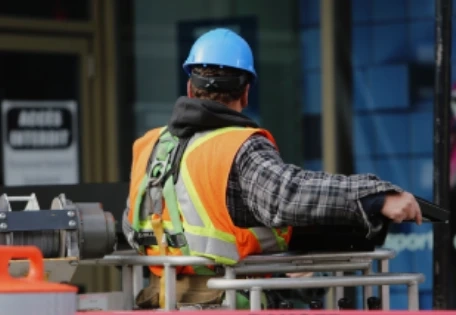
Scaffolding is a critical element in the construction and maintenance industries, providing workers with essential access and support at heights. In Bromley, where construction activities range from residential refurbishments to commercial developments, ensuring safety during scaffolding operations is paramount. This article examines the key safety guidelines and standards relevant to Scaffolding in Bromley, while also drawing comparisons with scaffolding in Enfield to provide a broader understanding of best practices across different areas.
The Importance of Safety in Scaffolding Operations
Scaffolding safety is fundamental to preventing accidents, injuries, and fatalities on construction sites. Falls from heights are among the leading causes of workplace injuries, and inadequate scaffolding is often a major factor. Proper safety standards not only protect workers but also minimize project delays and legal liabilities for contractors and property owners.
In Bromley, professional scaffolding services are required to comply with UK laws and regulations that enforce rigorous safety measures. These laws help create a safer working environment and ensure consistent quality across scaffolding installations.
Primary Safety Regulations Governing Scaffolding in Bromley
The Health and Safety Executive (HSE) is the primary regulatory body governing construction safety in the UK, including scaffolding. Key regulations include:
- The Work at Height Regulations 2005: These regulations mandate that all work at height, including scaffolding erection and use, be properly planned, supervised, and carried out safely.
- The Construction (Design and Management) Regulations 2015 (CDM): These regulations emphasize risk management and ensure that all parties involved in construction understand their safety responsibilities.
- Health and Safety at Work Act 1974: This overarching legislation requires employers to ensure the health, safety, and welfare of their employees and anyone affected by their work.
Scaffolding companies in Bromley must adhere to these regulations, conduct risk assessments, provide proper training, and use certified equipment.
Essential Safety Guidelines for Scaffolding in Bromley
To comply with legal standards and protect workers, scaffolding services in Bromley follow these essential safety guidelines:
1. Proper Planning and Design
Every scaffolding project begins with thorough planning and design tailored to the site’s specific needs. This includes evaluating ground conditions, load requirements, and site restrictions. The design must ensure scaffold stability, accessibility, and the ability to bear expected loads safely.
2. Competent Personnel and Training
Only trained and qualified scaffolders should erect, alter, or dismantle scaffolding. Continuous training ensures workers understand safety procedures, scaffold components, hazard identification, and emergency protocols.
3. Use of Certified Materials and Equipment
All scaffolding components—including tubes, couplers, boards, and safety harnesses—must meet British Standards BS EN 12811 and be regularly inspected for defects or damage.
4. Regular Inspections and Maintenance
Scaffolds should be inspected before use, after adverse weather conditions, and periodically during the project. Inspections verify that platforms remain secure, guardrails are intact, and no structural weaknesses are present.
5. Safety Features and Fall Protection
Guardrails, toe boards, and safety nets must be installed to prevent falls. Personal protective equipment (PPE), such as harnesses and helmets, is mandatory. Safe access points like ladders or stair towers should be integrated.
6. Securing the Scaffold
Scaffolds must be anchored appropriately to the building or structure to prevent swaying or collapse, especially under wind loads or heavy use.
7. Clear Signage and Site Organization
Warning signs, restricted access zones, and well-organized material storage reduce the risk of accidents involving workers and the public.
Comparing Scaffolding Safety in Bromley and Enfield
Scaffolding in Enfield follows the same stringent safety regulations as in Bromley, reflecting the national standards enforced throughout the UK. However, some differences arise due to geographic, urban, and project-specific factors.
Enfield’s construction projects often occur in densely populated urban areas with narrow streets and higher pedestrian traffic, requiring additional precautions like pedestrian barriers and traffic management around scaffolding sites. Bromley’s sites, while also urban, may face different challenges, including working near heritage buildings that demand careful planning to avoid damage.
Both areas prioritize training, licensed scaffolders, and regular inspections to maintain high safety standards. Cross-regional collaboration among scaffolding firms ensures dissemination of best practices and consistent quality.
Consequences of Non-Compliance with Scaffolding Safety
Ignoring scaffolding safety requirements can have severe repercussions. Consequences include:
- Workplace Injuries and Fatalities: Falls or scaffold collapses cause serious harm to workers.
- Legal Penalties: Contractors or companies may face hefty fines, prosecution, or suspension of operations by the HSE.
- Project Delays and Increased Costs: Safety incidents lead to work stoppages, investigations, and additional remediation expenses.
- Damage to Reputation: Poor safety records deter clients and reduce future business opportunities.
How to Ensure Safety When Hiring Scaffolding Services in Bromley
Clients and contractors can take proactive steps to ensure scaffolding safety:
- Hire licensed and insured scaffolding companies with proven safety records.
- Request evidence of employee training and competency.
- Check compliance with British Standards and HSE guidelines.
- Ensure transparent communication about scaffold design, inspection routines, and emergency protocols.
- Require risk assessments and method statements before work begins.
The Role of Technology in Enhancing Scaffolding Safety
Innovation is playing an increasing role in scaffolding safety. Technologies such as drone inspections, 3D scaffold modelling, and sensor-based monitoring systems enable real-time safety assessments and precision installation.
Scaffolding companies in Bromley and Enfield are beginning to adopt these tools to improve oversight, reduce risk, and streamline project management.
Conclusion
Safety guidelines and standards for scaffolding in Bromley are vital to protecting workers, ensuring project efficiency, and complying with legal requirements. With strict adherence to UK regulations, comprehensive training, regular inspections, and modern safety equipment, scaffolding services in Bromley provide secure access solutions for all types of construction work.
Comparisons with scaffolding in Enfield highlight how regional factors influence safety planning and execution, yet reaffirm the shared commitment to high safety standards across locations. Ultimately, investing in safe scaffolding practices benefits workers, contractors, and the broader community, fostering a safer built environment.
call us +44-79494 96109