



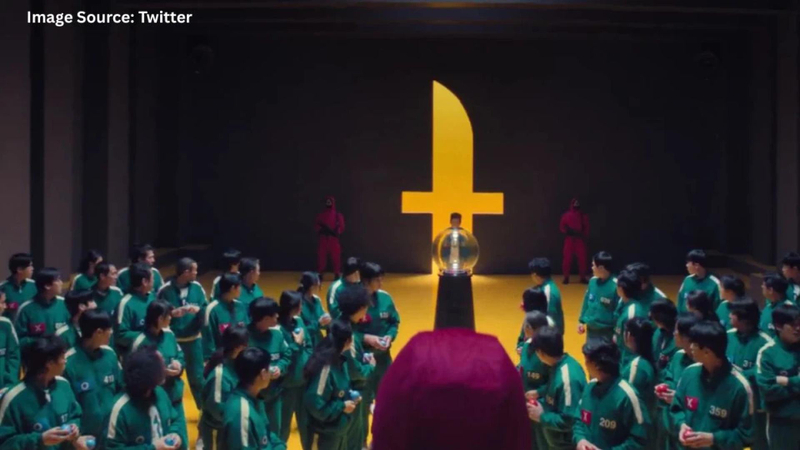
If you felt the water cooler chatter die down after the first season of Netflix’s reality juggernaut, prepare for a deafening roar. As of last night, November 18, the finale of Squid Game: The Challenge Season 2 has aired, crowning a new winner of the staggering $4.56 million prize. With the entire season now available to stream, there has never been a better time to dive back into the green-tracksuit chaos.
Here is why this season is being hailed as "meaner," "smarter," and infinitely more psychological than its predecessor.
The "Blood" is Thicker Than Water
The most diabolical twist of Season 2 isn’t a game; it’s the casting.Producers introduced a "family pairs" dynamic that fundamentally altered the show's DNA.Unlike Season 1, where strangers formed fragile alliances, this season featured siblings, twins, and parent-child duos competing against each other.
This addition transformed the elimination ceremonies from strategic maneuvering into Shakespearean tragedy.Watching a contestant choose between their own survival and their mother’s elimination adds a layer of visceral horror that the scripted drama could barely touch.It forces the question: How much is your family worth in cash?
New Games, New Nightmares
While the iconic "Red Light, Green Light" remains the visual anchor, Season 2 ditched many of the familiar playgrounds for fresh hells.The new "Six-Legged Pentathlon" and the nerve-shredding "Slides and Ladders" (a game of chance that infuriated and captivated viewers in equal measure) proved that physical prowess is secondary to psychological fortitude.
The introduction of more "social tests" in the dorms also ramped up the paranoia.The "Circle of Trust" returned, but with modified rules that weaponized silence and body language, leading to some of the most shocking backstabbings in reality TV history.
A Cast of Villains and Strategist
Critics have noted that the "innocence" of the first season is gone.The 456 players in Season 2 arrived with "meta-strategies," having studied every frame of the previous season.This resulted in gameplay that was faster, colder, and more calculated.
Standouts included a professional poker player who treated human emotions like betting chips and a controversial "villain" whose manipulative tactics during the "Mingle" episode became an instant viral moment.The editing this season leaned into these darker narratives, painting a picture of what happens when regular people are pushed to their moral breaking points.
Why Watch Now?
With the finale airing just yesterday, the internet is currently a minefield of spoilers.The winner—a result that has already sparked heated debates on social media about "deserving" vs. "playing dirty"—is the subject of every trending thread.To understand the memes, the outrage, and the shock that is currently sweeping the U.S. pop culture landscape, you need to witness the journey yourself.