



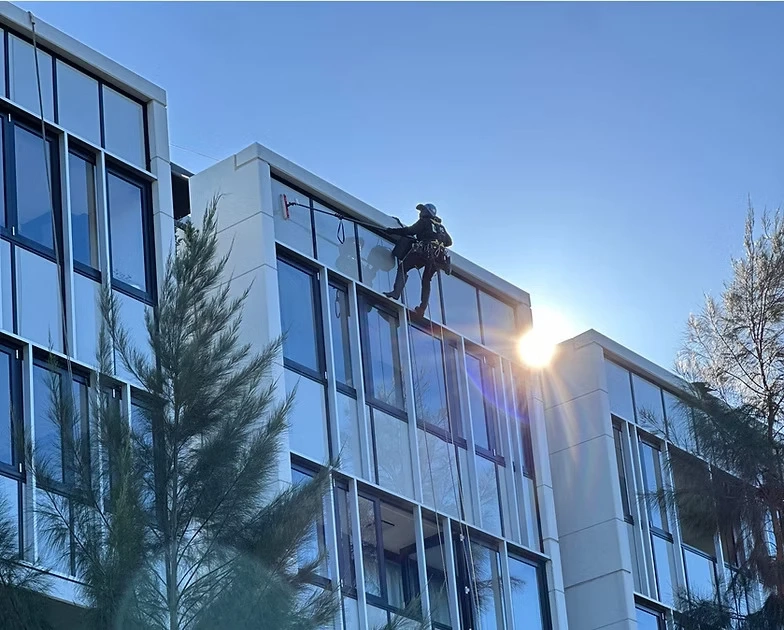
As urban landscapes continue to evolve, buildings are becoming taller, more complex, and harder to maintain. Traditional access methods such as scaffolding and elevated work platforms often prove costly, time-consuming, and disruptive. This is where rope access remedial work has emerged as a modern, efficient solution for building maintenance and repairs.
Originally developed for industrial and offshore environments, rope access techniques are now widely used in the construction and building maintenance sector. They offer a safe, cost-effective, and flexible alternative for remedial work, particularly in high-rise and difficult-access structures.
Understanding Rope Access Remedial Work
Rope access remedial work involves trained technicians using specialised ropes, harnesses, and anchoring systems to access elevated or restricted areas of buildings. These professionals are certified to work at heights and follow strict safety standards to ensure both worker and public safety.
Remedial work itself focuses on repairing defects that compromise a building’s integrity, appearance, or safety. When combined with rope access, these repairs can be carried out with precision and minimal disruption.
Common rope access remedial services include:
- Concrete spalling and cancer repairs
- Crack injection and sealing
- Facade restoration and patch repairs
- Waterproofing and membrane application
- Sealant replacement
- Brickwork repairs and repointing
Why Buildings Require Remedial Work
Over time, all buildings experience wear and deterioration. Environmental exposure, construction movement, moisture ingress, and aging materials can lead to structural defects. In coastal or high-humidity regions, corrosion of steel reinforcement and concrete degradation are especially common.
If left untreated, minor defects can escalate into serious safety hazards and expensive structural failures. Regular inspections and timely remedial work help:
- Extend the lifespan of buildings
- Prevent costly future repairs
- Ensure compliance with safety regulations
- Maintain property value and visual appeal
Advantages of Rope Access Over Traditional Methods
One of the biggest reasons rope access has gained popularity is its clear advantages over conventional access systems.
Cost Efficiency
Rope access eliminates the need for scaffolding, cranes, or large machinery. This significantly reduces setup, labour, and dismantling costs.
Speed and Flexibility
With minimal setup time, projects can begin quickly and adapt easily to changing site conditions. This makes rope access ideal for both small repairs and large maintenance programs.
Reduced Disruption
Rope access causes minimal interference to building occupants, pedestrians, and surrounding businesses. This is particularly valuable in busy urban environments.
Enhanced Safety
Contrary to common perception, rope access is one of the safest methods for working at height when performed by certified professionals. Strict training and safety procedures help reduce risks.
Access to Difficult Areas
Complex facades, narrow spaces, and overhangs that are inaccessible to machinery can be easily reached using rope access techniques.
Applications Across Multiple Industries
Rope access remedial work is suitable for a wide range of sectors, including:
- Residential apartment buildings
- Commercial office towers
- Hotels and hospitality facilities
- Industrial plants
- Educational institutions
- Public infrastructure
Its versatility allows building owners and managers to address both aesthetic and structural issues efficiently.
Importance of Skilled Professionals
While rope access offers many benefits, the quality of remedial work depends heavily on the expertise of the technicians. Certified rope access professionals undergo rigorous training and must adhere to industry standards and regulations.
Experienced contractors conduct thorough inspections before commencing any work, ensuring that remedial solutions are tailored to the building’s specific needs. This approach not only improves outcomes but also helps prevent recurring issues.
Preventative Maintenance Through Rope Access
In addition to repairs, rope access is widely used for preventative maintenance. Regular inspections and minor repairs can be carried out before defects worsen, saving time and money in the long term.
Preventative maintenance programs often include:
- Visual facade inspections
- Sealant checks
- Minor crack repairs
- Waterproofing touch-ups
These proactive measures help maintain building safety and performance year-round.
Sustainability and Environmental Benefits
Rope access remedial work also supports sustainable building practices. Reduced equipment usage means lower energy consumption and a smaller environmental footprint. Additionally, maintaining and repairing existing structures extends their lifespan, reducing the need for demolition and reconstruction.
The Future of Building Maintenance
As cities grow vertically and space becomes increasingly limited, rope access remedial work will continue to play a crucial role in building maintenance. Advances in equipment, training, and safety systems are further enhancing its effectiveness and reliability.
Building owners, strata managers, and facility managers are increasingly recognising rope access as a smart investment that balances safety, efficiency, and cost.
Conclusion
Rope access remedial work represents a modern, practical approach to building maintenance and repairs. Its ability to deliver safe, efficient, and cost-effective solutions makes it an ideal choice for today’s complex structures.
By addressing defects early and using skilled professionals, building stakeholders can protect their assets, ensure safety, and maintain long-term value. As the construction and maintenance industry continues to evolve, rope access will remain at the forefront of innovative remedial solutions.