



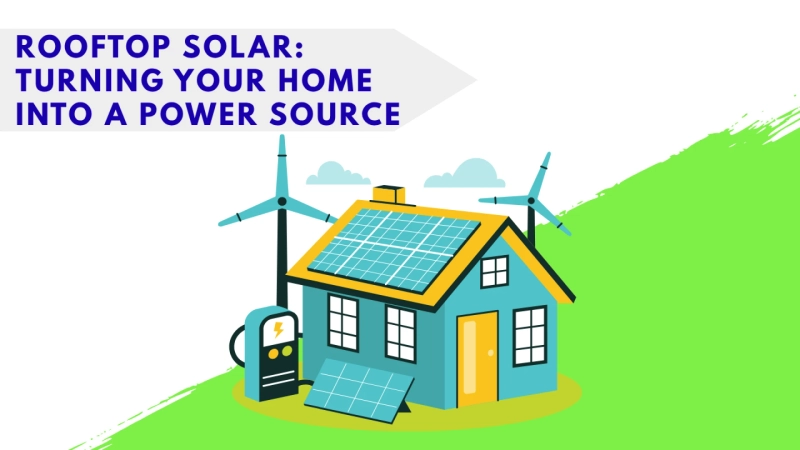
The sun, an ever-present element in Thailand's climate, is not just a source of heat; it is a virtually limitless and increasingly accessible source of clean energy. With electricity costs fluctuating and urban centers like Bangkok and Chiang Mai experiencing high energy demands—primarily driven by air conditioning—the shift toward energy independence is becoming both an economic necessity and an environmental imperative. Residential rooftop solar photovoltaic (PV) systems represent the most immediate and impactful solution, transforming a home’s often-unused roof space into a personal, decentralized power station.
This technology allows homeowners to take control of their energy future, significantly reducing reliance on the national grid and shielding themselves from rising utility tariffs. Furthermore, the Thai government's commitment to ambitious carbon neutrality targets has led to increased support, regulatory streamlining, and programs that encourage private sector adoption. Understanding the components, the economic models, and the installation process is key to unlocking the full potential of this technology and making a strategic investment that benefits both the family budget and the environment.
The Compelling Economics of Solar in Thailand
The financial case for residential rooftop solar has never been stronger in Thailand, driven by high daytime electricity rates and continually falling component costs.
Maximizing Self-Consumption
The primary and most lucrative benefit of solar power in Thailand is self-consumption—using the electricity generated directly by the panels during the day.
- High Daytime Rates: Thai households face high electricity rates, especially during the peak usage hours (typically 9:00 AM to 10:00 PM in some tariff structures) which align perfectly with peak solar generation. By using solar power to run air conditioners, water heaters, and appliances during the day, homeowners are offsetting the most expensive grid electricity purchases.
- Significant Bill Reduction: A well-sized residential system (such as a 5 kW array) can generate 6,000–7,000 kWh annually, often leading to a reduction in monthly electricity bills of 50% to 80%, particularly for households with high daytime usage. This substantial saving directly contributes to a rapid return on investment.
Investment Cost and Payback
While the initial investment is a consideration, the long-term financial stability offered by solar is highly attractive.
- Falling Costs: The cost of solar PV panels has declined sharply over the last decade. Today, a medium-sized 5 kW on-grid system for a home might cost approximately ฿150,000 to ฿300,000 installed, depending on the quality of components (panels and inverters) and the complexity of the installation.
- Rapid Payback Period: Due to high utility rates and significant bill savings, the typical payback period for a residential rooftop solar system in Thailand is estimated to be between 5 and 7 years, making it a highly competitive investment compared to other home improvements.
System Types and Essential Components
Choosing the right type of solar system depends entirely on the homeowner's consumption pattern, budget, and desired level of energy independence.
On-Grid (Grid-Tied) System
This is the most common and cost-effective system for residential use, designed purely for self-consumption.
- Operation: The system generates power during the day. If the solar production exceeds the home’s immediate consumption, the excess power is fed back into the public grid (often under a net-billing scheme with a low buy-back rate). When production drops (at night or during heavy rain), the home seamlessly draws power from the grid.
- Benefit: It is the simplest and cheapest to install because it does not require batteries. It is ideal for households whose consumption primarily occurs during daylight hours.
Hybrid System (On-Grid with Battery Storage)
Hybrid systems combine the benefits of grid-tie with the crucial addition of battery storage.
- Operation: Excess daytime solar power is first used to charge the on-site battery. Once the battery is full, any remaining surplus power is fed to the grid. The battery then supplies power to the home after sunset or during grid outages.
- Benefit: Provides energy security during power outages (a common occurrence in some provinces) and maximizes the use of generated solar power by shifting consumption into the evening, further reducing the amount of grid power purchased. While adding batteries increases the upfront cost significantly, the resulting energy independence is a major draw.
Critical Components
The longevity and performance of the system depend on the quality of two main components.
- The Photovoltaic Panels: Modern panels are highly efficient monocrystalline types. High-quality panels offer better performance in the high heat and occasional haze of the tropical climate.
- The Inverter: This component converts the Direct Current (DC) electricity generated by the panels into the Alternating Current (AC) electricity used by home appliances. For hybrid systems, a specialized hybrid inverter is necessary to manage the battery charging and discharging cycles.
Policy, Permitting, and Installation Considerations
Navigating the local regulations and ensuring a safe, professional installation is crucial for maximizing the return on investment.
Regulatory Landscape and Policy Support
Thailand’s government bodies (MEA and PEA) have recognized the need to simplify the process for residential users.
- Net Billing Scheme: Thailand currently operates a net-billing scheme for residential systems. This means homeowners are paid a set feed-in tariff (currently set at a rate lower than the retail price) for the surplus power they export to the grid. While the buy-back rate is not high, the primary incentive remains the savings achieved through self-consumption.
- Permitting Simplification: Recent government directives aim to streamline the often-complex permitting process involving various authorities. Prospective homeowners should work with certified installers who are familiar with the current local authority requirements and procedures to ensure compliance and avoid delays.
Installation and Maintenance
The quality of installation directly affects the system's efficiency and roof integrity.
- Structural Integrity: The installer must verify that the home’s roof structure can safely support the weight of the panels and the mounting system, especially considering wind loading during the monsoon season.
- Quality Workmanship: Proper mounting, roof sealing, and DC wiring are non-negotiable. Poor installation can lead to roof leaks, system underperformance, and safety hazards. Choosing an installer with recognized certification and a proven track record in Thailand is essential.
- Maintenance: Solar PV systems are largely maintenance-free, but they require periodic cleaning (especially during the dry season when dust accumulates) and regular checks of the inverter's performance monitoring data to ensure optimal operation.
Securing Thailand’s Green Future
The decision to install rooftop solar represents a pivotal moment for Thai homeowners—a clear step toward securing energy independence, achieving significant long-term financial savings, and making a tangible contribution to the nation's environmental commitments. By harnessing Thailand's most abundant natural resource, individual homes are transformed from energy consumers into resilient, decentralized power sources. As technology costs continue to fall and government policy continues to streamline the adoption process, residential solar is rapidly becoming a standard, rather than an exception, for sustainable and smart living across the Kingdom.
FAQs
How large of a solar system do I need for my home?
The ideal system size (measured in kilowatts, kW) depends primarily on your daytime electricity consumption and your roof space. A typical Thai household with moderate air conditioning use might require a 3 kW to 5 kW system. The best approach is to have a certified installer analyze your last 12 months of utility bills to accurately size a system that maximizes your self-consumption savings.
How does the current solar energy compensation scheme work in Thailand?
Thailand currently operates under a Net Billing (NB) scheme for residential solar. You receive full credit for the solar power you use instantly (self-consumption). If your system produces excess power that is fed back to the grid, you are compensated for that surplus at a set feed-in tariff (FIT) rate, which is currently lower than the retail price you pay to buy grid electricity.
How often do solar panels need to be cleaned in Thailand?
Due to the high dust and pollution levels in urban areas like Bangkok and the red dust prevalent in the provinces during the dry season, solar panels should be cleaned at least two to four times per year. Regular cleaning is crucial, as accumulated dirt and bird droppings can significantly reduce the system's energy generation efficiency.
Will a solar system still work when there is a power outage?
A standard on-grid (grid-tied) solar system will automatically shut down during a grid power outage for safety reasons (to protect utility workers). To have power during a blackout, you must install a Hybrid System that includes a battery storage component. This battery stores solar power and can safely power critical loads (like lights and fans) when the grid is down.