



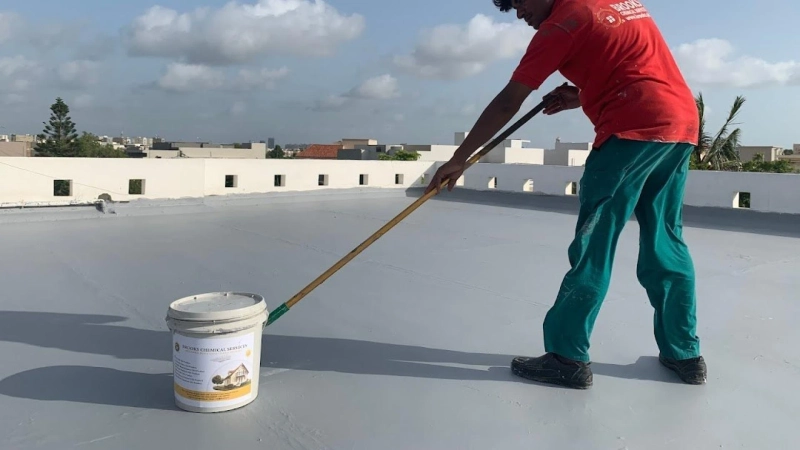
Roof waterproofing is not just about stopping leaks—it’s about protecting the entire structure of your building for years to come. Many homeowners invest in quick fixes that fail within a few monsoons. According to experienced architectural experts on Kreatecube, long-term roof performance depends on selecting the right materials, applying them correctly, and making informed design decisions. Below are the 10 roof waterproofing solutions that actually work long term, not just temporarily.

1. High-Quality Waterproof Membranes
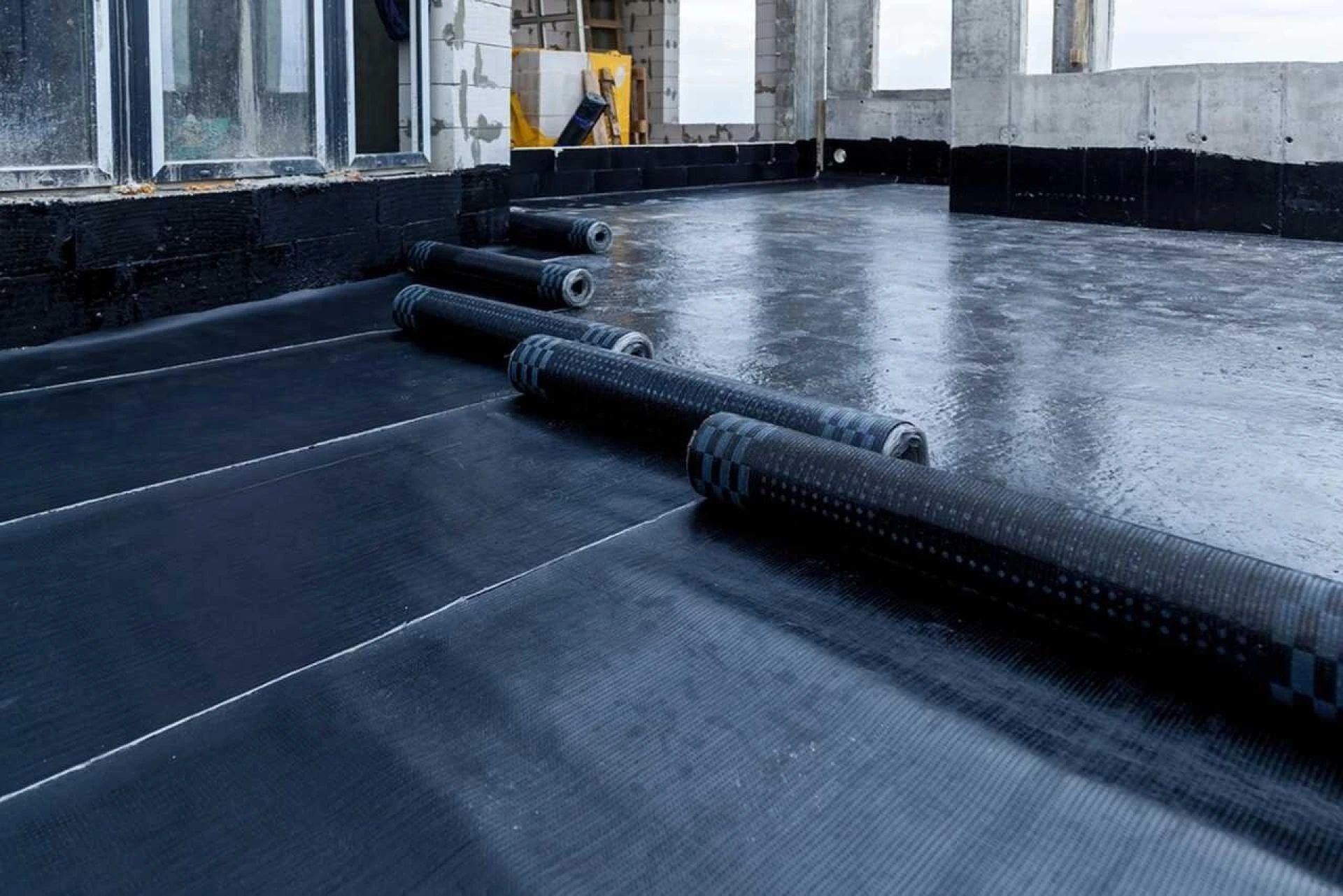
Liquid-applied membranes such as PU or acrylic coatings, along with sheet membranes like bituminous or EPDM, create a seamless protective layer. When selected based on the type of roof material and installed correctly, these membranes offer excellent flexibility, crack-bridging ability, and long-lasting waterproof protection.
2. Proper Roof Slope & Drainage Planning
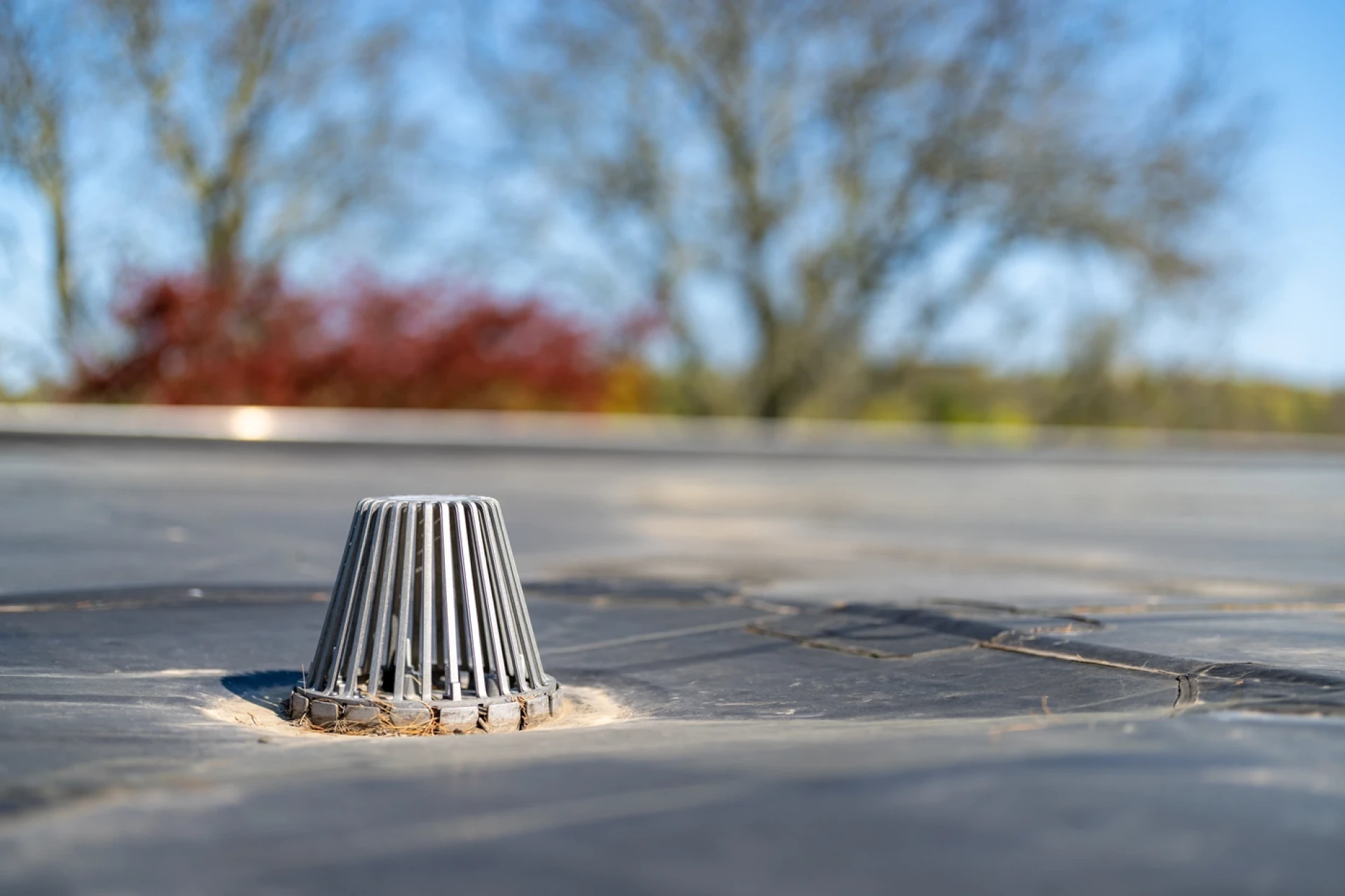
Even the most advanced waterproofing system can fail if water stagnates on the surface. Proper roof slope design and efficient drainage outlets ensure quick water flow, preventing long-term damage and extending roof life.
3. How Underlayment Choices Impact Roof Performance
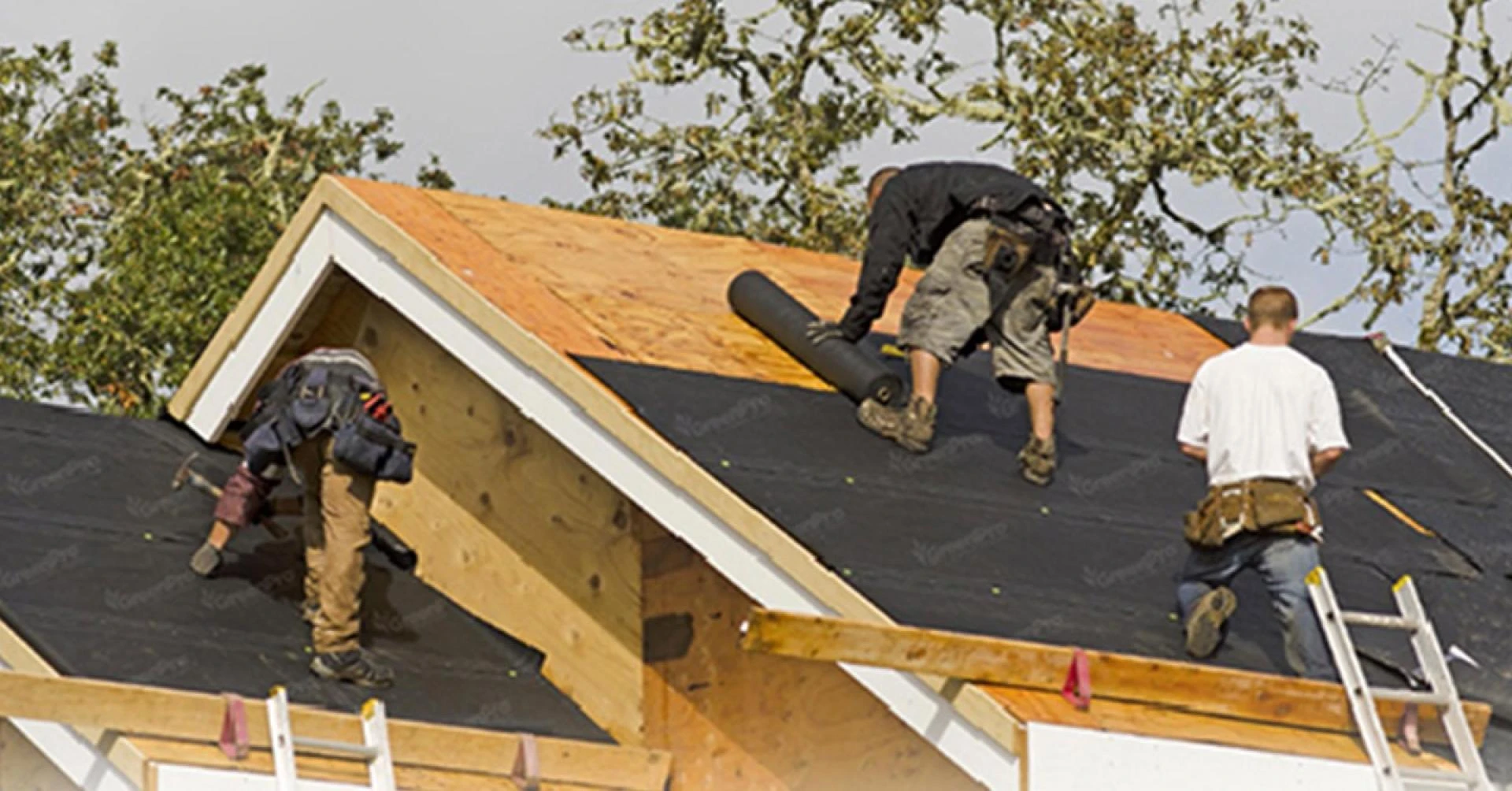
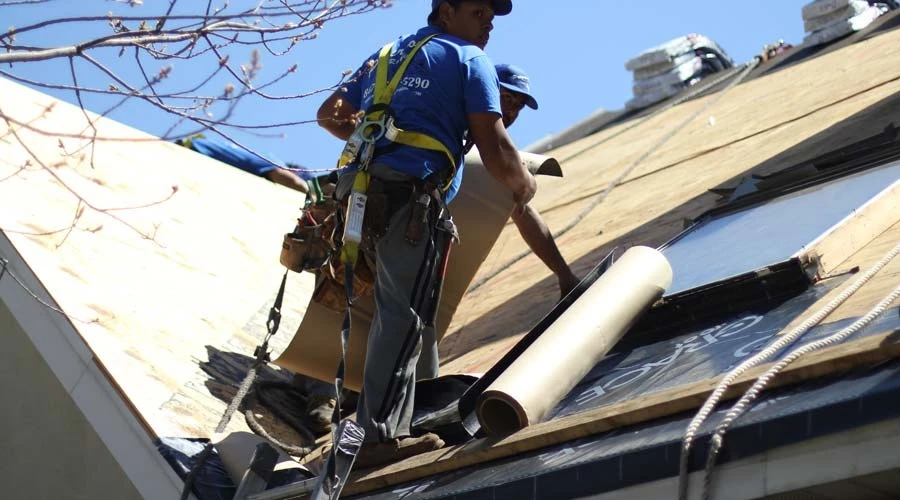
Underlayment acts as a critical secondary waterproof layer beneath tiles, metal sheets, or concrete roofs. The right underlayment choices impact roof performance by improving moisture resistance, reducing condensation issues, and enhancing durability—especially during heavy rainfall or tile displacement.
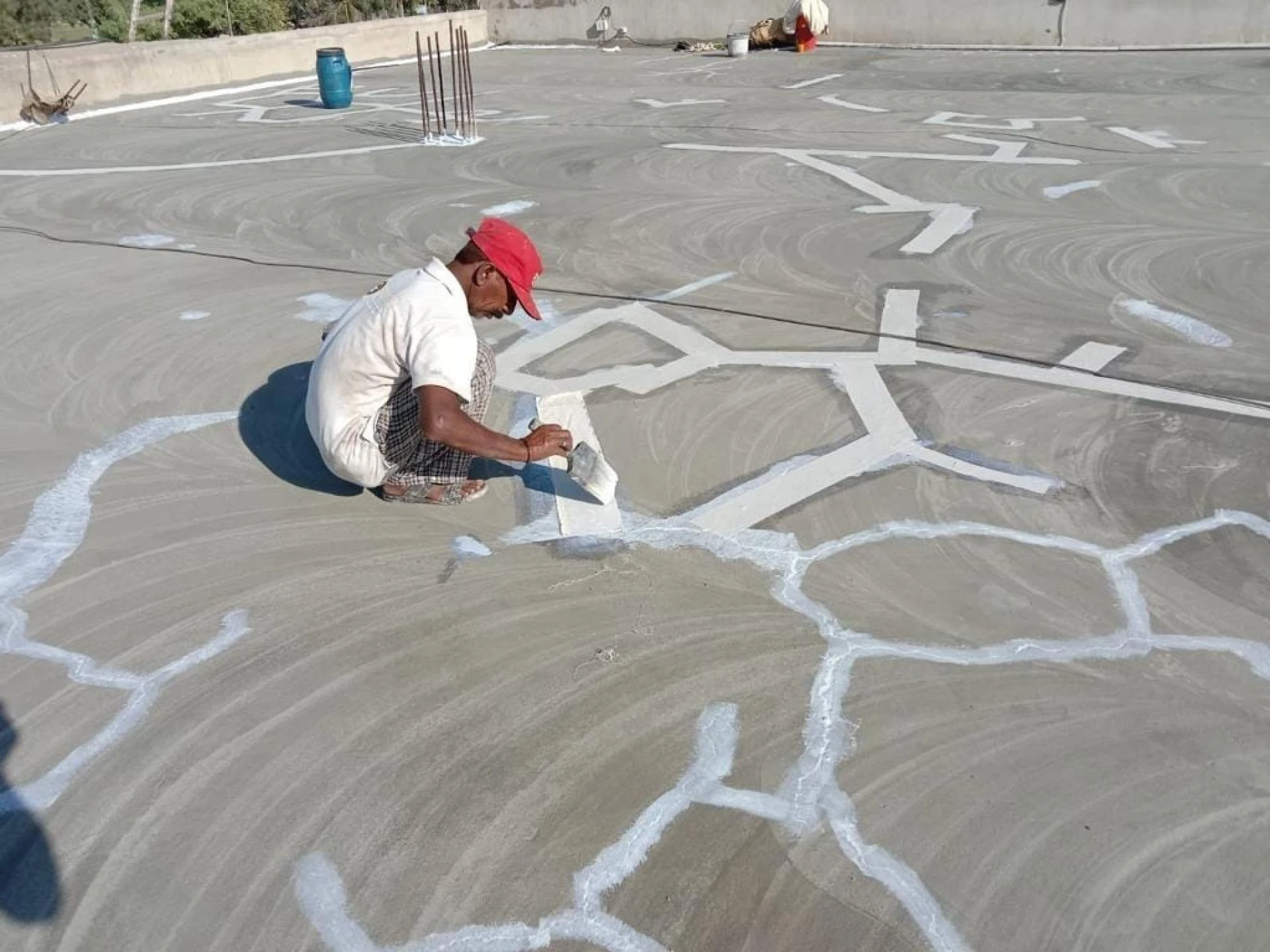
4. Crack Filling & Surface Preparation
Waterproofing should never be applied over damaged or untreated surfaces. Crack filling, joint sealing, and thorough surface preparation ensure strong bonding and prevent recurring leakage problems.
5. UV-Resistant Waterproof Coatings
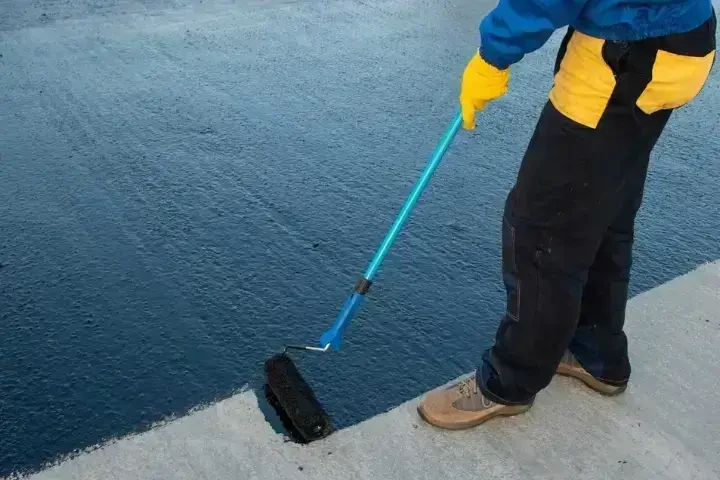
Roofs face constant sun exposure. UV-resistant coatings protect waterproof layers from degradation, peeling, and brittleness, making them essential for long-term roof protection in hot and tropical climates.
6. Expansion Joint Waterproofing
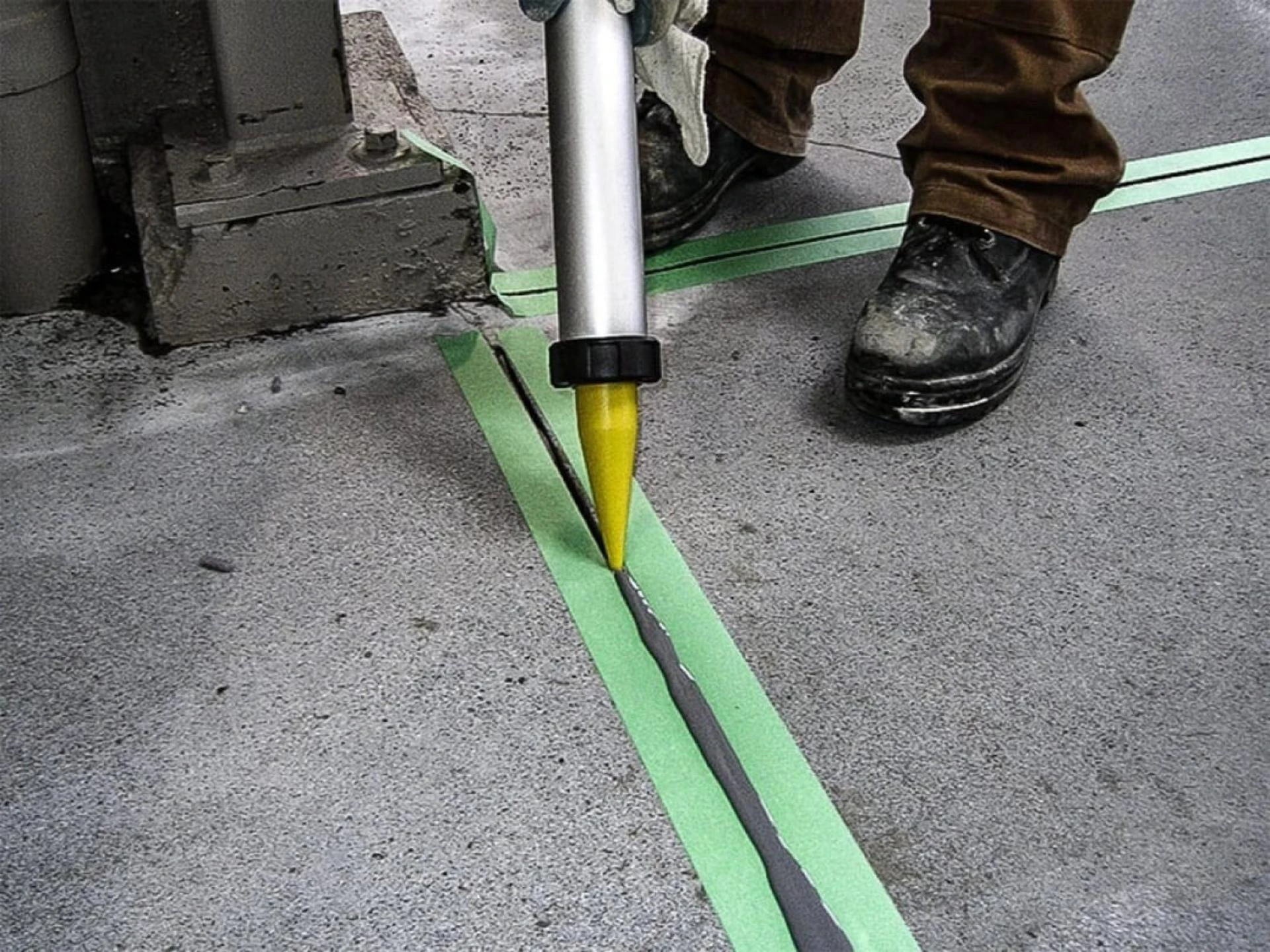
Buildings expand and contract due to temperature changes. Waterproofing systems designed for movement, especially at expansion joints, help prevent cracks, leaks, and structural stress over time.
7. Protection for Parapet Walls & Flashings
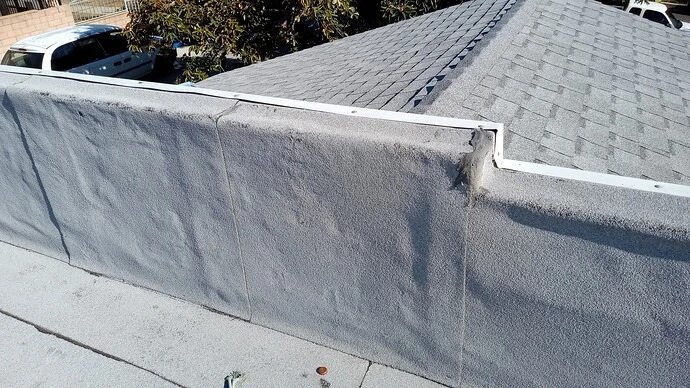
Many leaks originate at parapet walls, edges, and flashing joints. Proper waterproof detailing in these vulnerable areas is crucial for ensuring a fully sealed and long-lasting roofing system.
8. Breathable Waterproof Systems
A good waterproofing solution should block water from entering while allowing trapped moisture to escape. Breathable systems prevent blistering, dampness, and internal damage—key factors in long-term roof health.
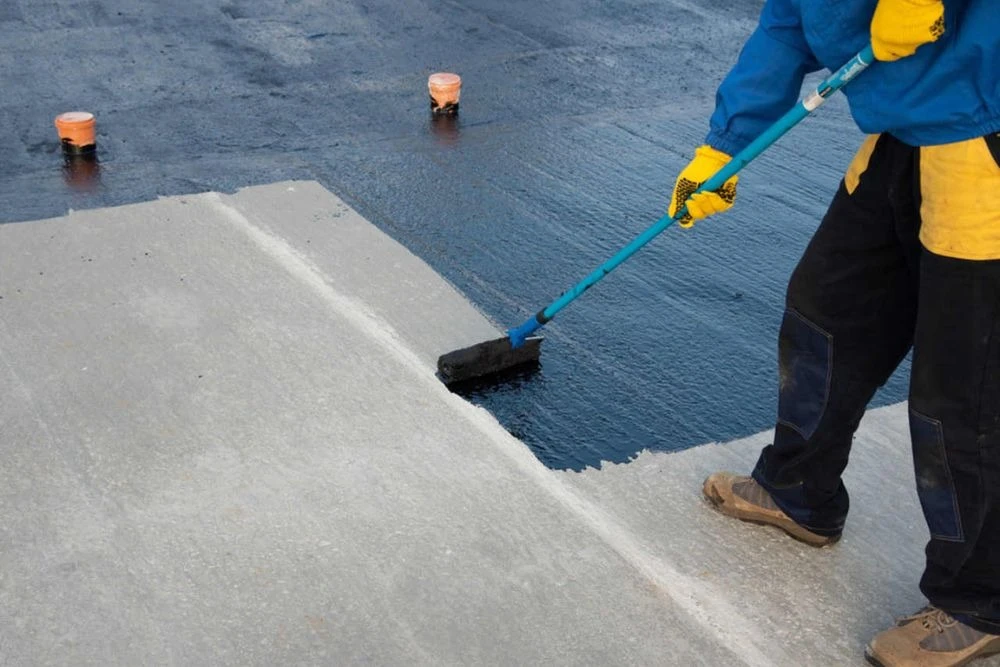
9. Professional Application Over DIY Fixes
While DIY solutions may seem cost-effective, they often fail due to improper thickness, uneven application, or poor curing. Professional execution ensures compatibility with the right roof for your home, delivering reliable long-term results.
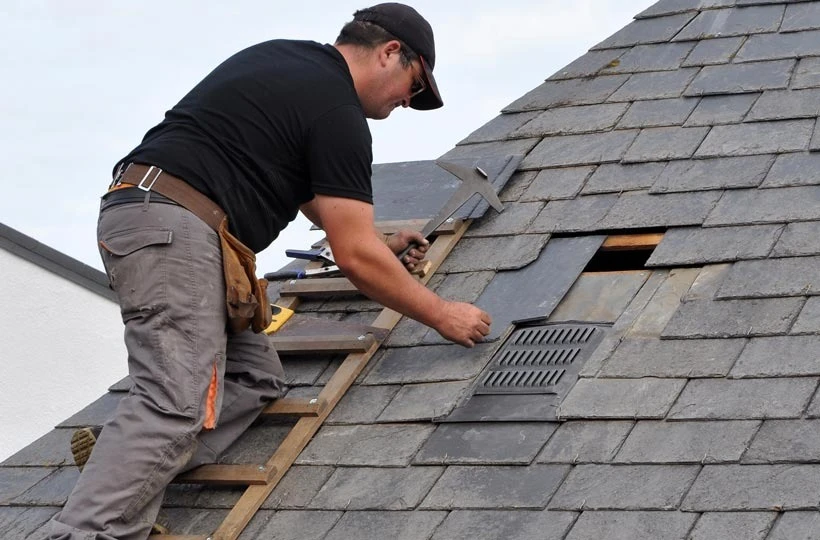
10. Regular Inspection & Preventive Maintenance
Even the best waterproofing systems benefit from routine inspections. Annual checks help identify early signs of wear, drainage blockages, or coating damage, extending the lifespan of the roof without major repairs.
Final Thoughts
Long-term roof waterproofing is a complete system, not a single product. The combination of correct surface preparation, suitable waterproof membranes, smart underlayment selection, and expert application is what truly works over time. When integrated with overall architectural planning, outdoor & landscaping design, and climate considerations, the right waterproofing solution protects your home, saves money, and ensures structural safety for years to come.