



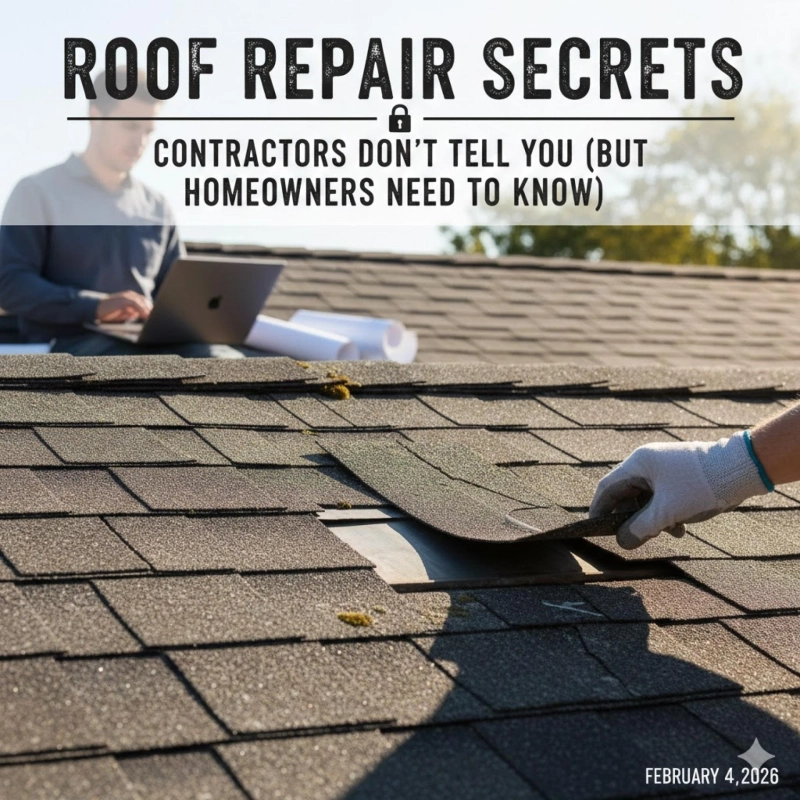
Roof repair is one of those topics that feels intimidating on purpose. Between technical jargon, vague estimates, and the fear of making a costly mistake, many homeowners hand over control and hope for the best. While most contractors are honest professionals, there are important truths about roof repair that rarely get explained clearly—and those gaps in knowledge often cost homeowners thousands.
This article pulls back the curtain. You’ll learn what really matters when it comes to roof repairs, which “small” issues are actually urgent, how to avoid unnecessary replacements, and how to protect yourself from overpaying or under-repairing. These are the roof repair secrets contractors don’t always volunteer, but every homeowner should know.
If you want to make smarter decisions, save money, and extend the life of your roof, this guide is for you.
Why Roof Repairs Feel So Confusing to Homeowners
Roofing is an industry where homeowners usually lack leverage. The roof is hard to access, damage is often hidden, and most people don’t have the expertise to challenge what they’re told.
This creates three big problems:
- Homeowners rely entirely on contractor recommendations
- It’s difficult to verify whether repairs are truly necessary
- Fear pushes people into quick, expensive decisions
Understanding how roofs actually fail—and how they’re repaired—levels the playing field.
Secret #1: Most Roof Problems Start Long Before You See a Leak
One of the biggest misconceptions is that roof damage only matters once water drips into the house. In reality, leaks are late-stage symptoms, not early warnings.
Roof issues usually begin with:
- Hairline cracks in shingles
- Loose flashing around vents or chimneys
- Aging sealants that have dried out
- Granule loss from asphalt shingles
By the time you see a ceiling stain, moisture has often been entering the roof system for weeks or months.
Early detection is the single biggest money-saver in roof repair.
Secret #2: A “Small Repair” Can Prevent a Full Roof Replacement
Some homeowners are told they “might as well replace the whole roof” when only part of it is failing. While full replacements are sometimes necessary, many roofs can last years longer with targeted repairs.
Spot repairs can fix:
- Isolated shingle damage
- Localized leaks
- Flashing failures
- Small areas of rot
Contractors don’t always emphasize this option because replacements are more profitable. Knowing when repairs are enough can save you tens of thousands of dollars.
Secret #3: Roof Age Alone Doesn’t Determine Repair vs. Replacement
You’ll often hear statements like, “Your roof is 18 years old, so it needs to go.” Age matters—but it’s not the only factor.
What really determines roof viability:
- Installation quality
- Ventilation performance
- Climate exposure
- Maintenance history
- Material type
A well-maintained 20-year-old roof can outperform a poorly installed 10-year-old one. Condition matters more than age.
Secret #4: Flashing Is More Important Than Shingles
Shingles get all the attention, but flashing is where most leaks actually happen.
Flashing protects vulnerable areas like:
- Chimneys
- Skylights
- Valleys
- Roof-to-wall transitions
When flashing fails, water bypasses shingles entirely. Many leaks blamed on shingles are actually flashing problems—and fixing flashing is usually far cheaper than replacing large roof sections.
Secret #5: Not All Leaks Come From Where You Think
Water travels. It can enter the roof in one location and show up several feet away inside your home.
This leads to two common mistakes:
- Repairing the wrong area
- Replacing materials that aren’t actually failing
Professional leak tracing—not guesswork—is critical. A rushed repair might “fix” the visible symptom while leaving the real problem untouched.
Secret #6: Ventilation Problems Quietly Destroy Roofs
Poor attic ventilation shortens roof lifespan dramatically, yet it’s often ignored during repairs.
Bad ventilation causes:
- Heat buildup that cooks shingles from underneath
- Moisture accumulation that leads to rot and mold
- Ice dams in colder climates
Even the best shingles will fail early without proper airflow. Fixing ventilation can add years to your roof’s life and reduce energy costs.
Secret #7: Storm Damage Isn’t Always Obvious
After a storm, homeowners often look for missing shingles and assume everything’s fine if they don’t see any.
But storm damage can include:
- Lifted shingles that reseal poorly
- Impact bruising from hail
- Loosened flashing
- Compromised underlayment
These hidden issues worsen over time. Post-storm inspections catch problems early—before insurance deadlines pass or damage escalates.
Secret #8: Insurance Doesn’t Automatically Cover Everything
Many homeowners assume roof repairs are fully covered by insurance. Unfortunately, that’s rarely true.
Insurance often excludes:
- Normal wear and tear
- Poor maintenance
- Improper installation
Understanding your policy—and documenting damage properly—can mean the difference between partial coverage and none at all.
Secret #9: Cheap Repairs Often Cost More Long-Term
Choosing the lowest bid feels smart—until it isn’t.
Low-cost repairs may involve:
- Inferior materials
- Skipped steps
- Temporary fixes disguised as permanent ones
A poorly done repair can void warranties and lead to repeat failures. Quality repairs cost less over the life of the roof, even if the upfront price is higher.
Secret #10: Roof Warranties Have Fine Print Homeowners Rarely Read
Roofing warranties are often misunderstood. Many cover materials only—not labor. Others are voided by improper ventilation or unauthorized repairs.
Important things to check:
- Length of coverage
- Transferability
- Installation requirements
- Maintenance obligations
A “lifetime warranty” isn’t always what it sounds like.
Secret #11: You Don’t Always Need Repairs Right Away—But Timing Matters
Not every issue requires immediate action, but delaying the wrong repair is expensive.
Problems that shouldn’t wait:
- Active leaks
- Flashing failures
- Soft or sagging roof areas
- Mold or moisture in the attic
Knowing which issues are urgent helps you plan repairs strategically instead of reacting in panic.
Secret #12: Roof Inspections Aren’t Just for Buyers
Most people only think about roof inspections during real estate transactions. That’s a mistake.
Routine inspections help:
- Catch minor issues early
- Extend roof lifespan
- Budget future repairs
- Avoid surprise emergencies
Think of inspections as preventative care—not a last resort.
Secret #13: Interior Signs Often Appear Before Exterior Damage
Your roof may be failing even if it looks fine outside.
Interior warning signs include:
- Ceiling discoloration
- Peeling paint
- Musty odors
- Unexplained humidity
Ignoring these clues allows damage to spread unseen.
Secret #14: Roof Repairs Affect Energy Bills More Than You Think
Roof damage compromises insulation and air sealing. This forces HVAC systems to work harder, driving up energy costs.
Proper roof repairs can:
- Improve temperature consistency
- Lower monthly utility bills
- Reduce strain on HVAC equipment
Roof health and energy efficiency are closely connected.
Secret #15: Preventative Maintenance Is the Real Money Saver
The biggest secret of all? Most expensive roof repairs are preventable.
Simple habits make a huge difference:
- Clean gutters regularly
- Trim overhanging branches
- Address small issues promptly
- Schedule periodic inspections
Preventative maintenance costs far less than emergency repairs.
What Smart Homeowners Do Differently
Homeowners who avoid costly roof disasters tend to:
- Ask detailed questions
- Get multiple opinions
- Document roof conditions
- Understand their materials and warranties
Knowledge—not luck—is what protects them.
When to Call a Professional (And When Not To)
Some tasks are safe for homeowners, like visual inspections from the ground or cleaning gutters. But anything involving climbing, structural repairs, or leak tracing should be left to professionals.
Safety matters—and so does proper diagnosis.
The Long-Term Cost of Ignoring Roof Repair Truths
Ignoring these secrets leads to:
- Premature roof replacement
- Mold remediation
- Interior damage
- Lower property value
Addressing them leads to longer roof life, lower costs, and fewer emergencies.
Conclusion: Knowledge Is the Best Roof Repair Tool You Have
Roof repair doesn’t have to be mysterious or overwhelming. When you understand how roofs fail, what truly needs fixing, and how to spot early warning signs, you gain control over one of your home’s most important systems. Trusted professionals and helpful resources—like those at https://forcewashing.com/ can make that process even clearer.
The biggest secret contractors don’t always tell you is this: informed homeowners make better decisions and spend far less over time.
Pay attention early, ask the right questions, and don’t ignore small issues. Your roof—and your wallet—will thank you later.