



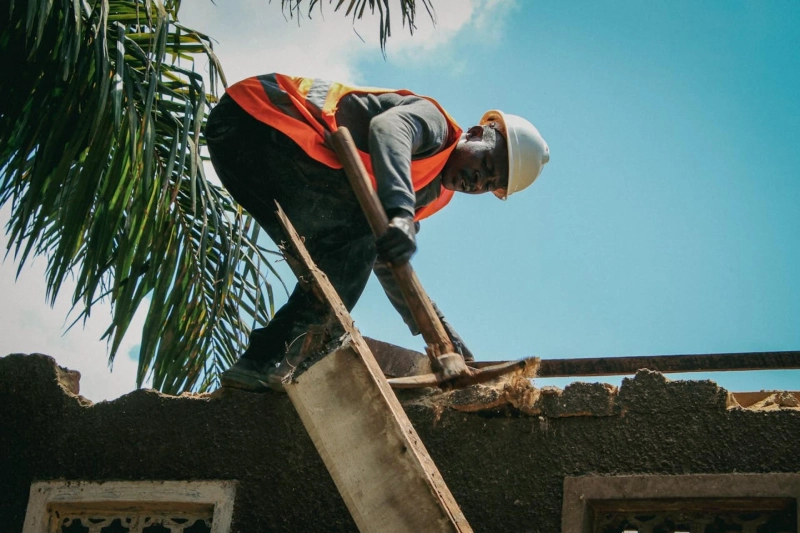
Winter roofing can be challenging, but it’s not impossible. With the right approach, roof installation in winter ensures your home stays safe, insulated, and protected. Cold temperatures, snow, and ice present unique problems for construction, but professional roofers in Lansing Michigan have the skills to handle these conditions efficiently. Understanding the process, risks, and preparation methods can help homeowners make informed decisions. This guide explains what to expect during winter roof installation and how to work safely with roofing contractors.
Challenges of Roof Installation in Winter
Roof installation in winter brings specific challenges. Low temperatures can affect roofing materials like shingles and adhesives. Shingles may become brittle, increasing the risk of cracks or breakage. Ice or snow accumulation on the roof creates a slippery surface, raising safety concerns. Additionally, roofing adhesives and sealants often require minimum temperatures to cure properly. Without proper care, winter installation may lead to leaks, damage, or reduced roof lifespan.
Roofers follow strict safety measures. They clear snow and ice, use proper footwear, and secure ladders and scaffolding. These precautions reduce the risk of accidents while ensuring the roofing materials are installed correctly.
Benefits of Winter Roof Installation
Despite the challenges, winter roof installation has advantages. Roofing contractors often have lighter schedules, making it easier to book appointments quickly. This off-season timing may also lead to lower costs compared to peak summer months. Additionally, installing a roof in winter ensures your home is protected before spring storms arrive.
Professional roofers can complete winter roofing projects efficiently. They use specialized tools and techniques to handle cold-weather conditions. With proper planning, winter roof installation can be just as durable and reliable as work done during warmer months.
Preparing Your Home for Winter Roof Installation
Proper preparation is essential for a successful winter roofing project. Homeowners should start by clearing gutters, walkways, and the roof of excess snow. Check the attic for proper insulation and ventilation. Good insulation reduces the risk of ice dams forming on the roof.
Communicate with your roofing contractor about scheduling and expected weather conditions. Roofers will inspect the roof and identify potential problem areas before installation begins. This proactive approach minimizes delays and ensures a smooth process.
Roofing Materials Suitable for Winter
Not all roofing materials perform well in cold weather. Asphalt shingles are popular because they remain flexible at low temperatures and can be installed efficiently. Metal roofing is another excellent option, as it resists ice buildup and sheds snow quickly.
Avoid roofing materials that become brittle or lose adhesion in freezing temperatures. Your roofer can recommend the best materials for your home’s winter roof installation. Using the right materials ensures durability and long-term protection.
Safety Tips During Winter Roof Installation
Safety is a top priority for any roofing project. Winter conditions increase the risk of slips, falls, and frostbite. Roofers follow strict safety protocols, including:
- Wearing non-slip boots and safety harnesses
- Using heated tents or coverings to prevent ice buildup
- Monitoring weather forecasts to avoid extreme conditions
- Clearing snow and ice from the roof regularly
Homeowners should also maintain a safe distance from the work area. Keeping children and pets away from the site prevents accidents.
Steps of a Winter Roof Installation
- Inspection and Assessment: Roofers examine your current roof for damage or weak spots.
- Material Preparation: Shingles, metal panels, and adhesives are kept at optimal temperatures.
- Roofing Surface Preparation: Snow and ice are removed, and the roof is cleaned.
- Installation: Shingles or panels are carefully placed and secured.
- Sealing and Waterproofing: Sealants are applied, ensuring proper adhesion even in cold weather.
- Final Inspection: The roof is checked for any gaps, loose materials, or potential issues.
Each step is adapted to winter conditions to maintain quality and safety.
Common Misconceptions About Winter Roof Installation
Many homeowners believe roof installation must be done in summer. While summer offers ideal conditions, winter roofing is safe when performed by skilled contractors. Another misconception is that snow prevents proper installation. In reality, professional roofers remove snow and ice before starting work.
Roofers have experience with winter installations. They understand the limitations and techniques needed for cold-weather projects. Homeowners can rely on their expertise for a reliable, long-lasting roof.
Maintenance After Winter Installation
After your new roof is installed, regular maintenance is crucial, especially in cold climates. Inspect the roof for ice dams, loose shingles, or water damage. Keep gutters clear to ensure proper drainage. Roofers in Lansing Michigan may recommend seasonal inspections to maintain warranty coverage and ensure the roof remains in excellent condition.
Proper maintenance helps extend the life of your roof and prevents costly repairs. Even with professional installation, winter conditions can take a toll over time.
Hiring the Right Roofers in Lansing Michigan
Choosing experienced roofers is essential for winter projects. Look for licensed and insured contractors with positive reviews and proven winter roofing experience. Ask about their safety procedures, tools, and winter-specific installation techniques.
Roofers provide detailed estimates, timelines, and material recommendations. Working with a trusted contractor ensures the roof is installed correctly, efficiently, and safely, regardless of the season.
Conclusion
Roof installation in winter is a practical option when planned carefully. Although cold weather presents unique challenges, professional roofers in Lansing Michigan handle every aspect with skill and safety. From preparation to installation and maintenance, winter roofing can protect your home, prevent leaks, and extend roof lifespan. Proper material selection, safety measures, and working with experienced contractors ensure a successful project. Homeowners should not avoid winter installation due to misconceptions. With professional guidance, a reliable and durable roof is achievable even in the coldest months.