


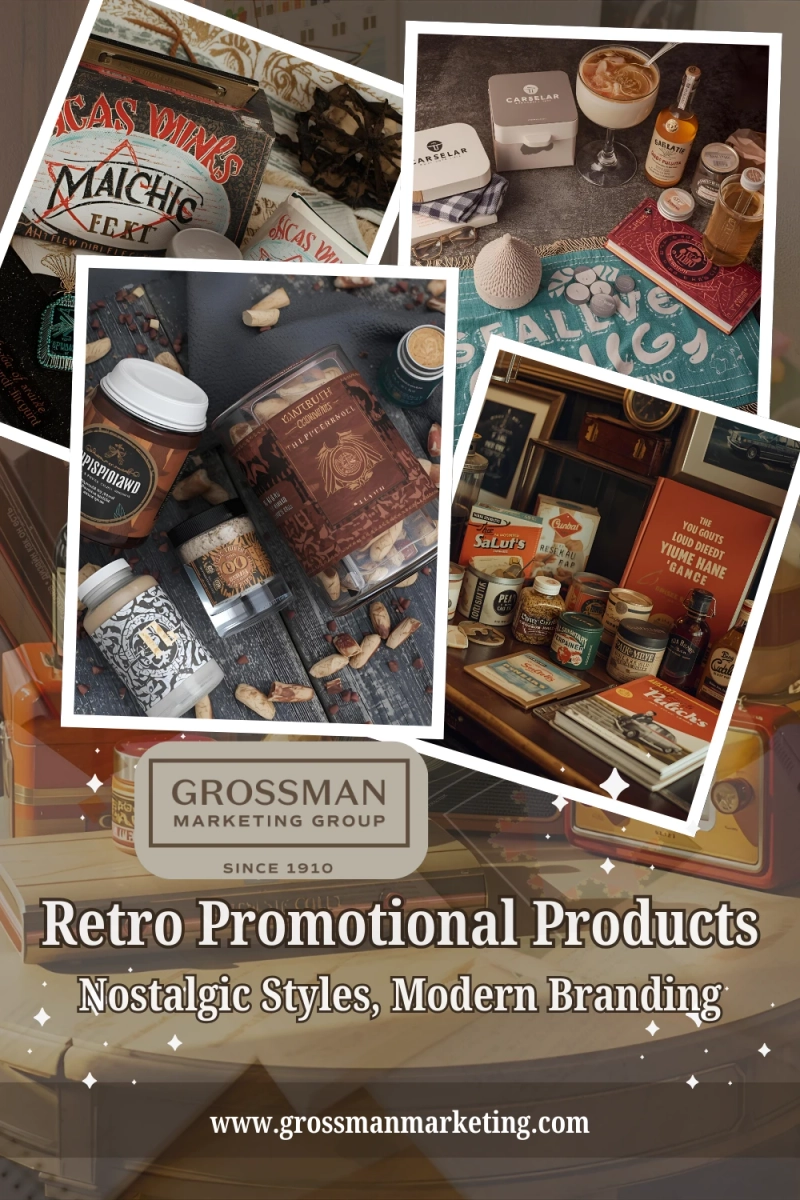
In a marketplace driven by constant innovation and digital saturation, brands are increasingly turning to the past to stand out in the present. Nostalgia has become a powerful marketing lever, and few tools capture it better than retro promotional items. These products tap into familiar aesthetics and shared cultural memories, creating instant emotional connections that modern, trend-heavy merchandise often fails to achieve.
Retro promotional items work because they feel authentic. Vintage-inspired designs, classic color palettes, and throwback materials remind audiences of simpler times while reinforcing trust and credibility. When consumers recognize something familiar, they are more likely to engage with it and keep it. This familiarity transforms a simple giveaway into a meaningful brand touchpoint that resonates beyond the initial interaction.
Another advantage of retro promotional items is their versatility. They can be adapted to fit a wide range of industries and audiences, from technology companies using analog-inspired notebooks to lifestyle brands distributing classic logo apparel. These items blend old-school appeal with modern functionality, making them practical as well as visually distinctive. As a result, they tend to be used repeatedly, increasing brand exposure over time.
Longevity is a key factor in the effectiveness of retro promotional items. Unlike novelty products that quickly lose relevance, retro-inspired merchandise often has enduring appeal. Timeless designs age well and feel intentional rather than disposable. This durability not only enhances return on investment but also supports sustainability goals by reducing waste and encouraging reuse.
Retro promotional items also support storytelling. They allow brands to reference heritage, milestones, or cultural moments that shaped their identity. Even newer companies can use retro aesthetics to signal craftsmanship, reliability, or authenticity. When paired with a clear narrative, these items help brands communicate values without relying on overt messaging.
From an experiential standpoint, retro promotional items perform particularly well at events and in experiential marketing campaigns. Trade shows, pop-ups, and brand activations benefit from tactile, visually striking products that stand out in crowded environments. A well-designed retro item invites interaction and conversation, extending the brand experience beyond the event itself.
Strategically, incorporating retro promotional items requires balance. The goal is not to appear outdated, but to blend nostalgia with relevance. Successful brands carefully select elements that align with their identity and audience expectations. This ensures that retro influences enhance the brand rather than distract from its message.
For organizations looking to integrate retro promotional items into their broader marketing strategy, working with an experienced partner is essential. Grossman Marketing Group helps brands identify, design, and source retro-inspired promotional products that align with brand goals and audience preferences. By combining strategic insight with creative execution, Grossman Marketing Group supports campaigns that leverage nostalgia to create lasting brand impact.