


Concrete is the backbone of modern construction, but it is far from indestructible. Whether in a high-traffic industrial warehouse or a residential garage, bare concrete is porous, prone to staining, and susceptible to "dusting." To transform a dull slab into a high-performance surface, professionals and homeowners alike turn to Epoxy Coating.
An epoxy system is not merely "paint." It is a sophisticated chemical fusion of resin and hardeners that creates a rigid, plastic-like surface. If you are looking to protect your investment, understanding the nuances of Epoxy Floor Coating is the first step toward a lifetime of durability.
What is Epoxy Coating?
At its core, Epoxy Coating is a thermosetting polymer. When the two components—the resin and the curing agent—are mixed, they undergo a chemical reaction that creates cross-linked molecular bonds. Unlike traditional floor paint that simply sits on top of the concrete and eventually peels, a high-quality epoxy chemically bonds to the substrate, becoming an integral part of the floor.
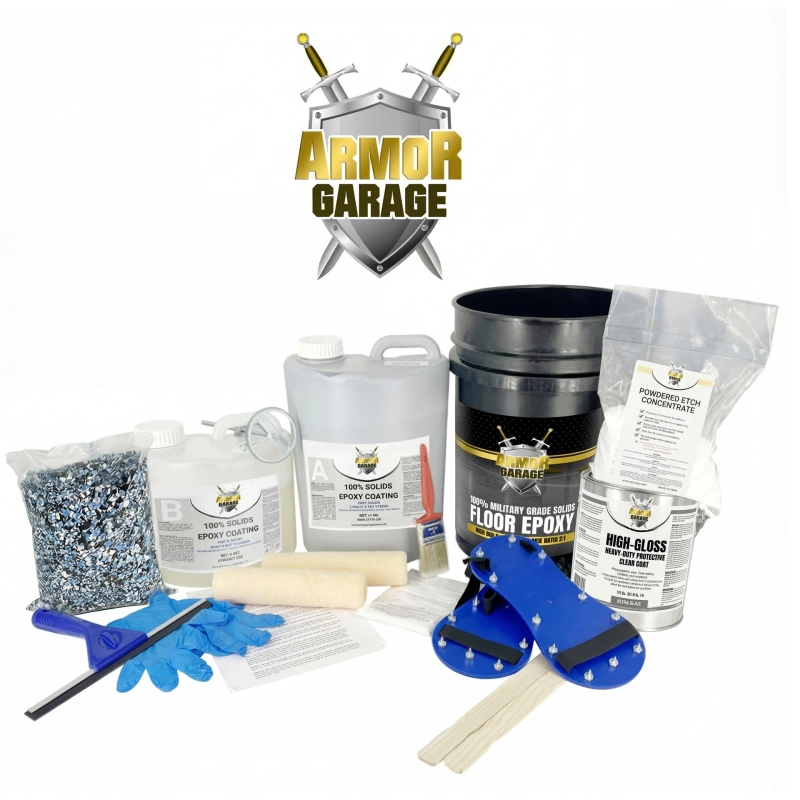
For those demanding the highest standards of protection, Armor Garage has set the benchmark. By focusing on military-grade solids rather than watered-down "big box store" kits, they ensure that the coating doesn't just look good on day one but remains resilient for decades.
The Superiority of Epoxy Floor Coating
While many people use the terms "paint" and "coating" interchangeably, they couldn't be more different. A standard floor paint is usually 1–3 mils thick and offers minimal resistance to chemicals or heat. In contrast, a professional-grade Epoxy Floor Coating can range from 10 to 30 mils in thickness.
Why Thickness and Solids Matter
The quality of an epoxy is often determined by its "solids content."
- Water-Based Epoxies: Common in DIY kits, these contain solvents that evaporate, leaving a thin, brittle film.
- 100% Solids Epoxy: This is the gold standard used by Armor Garage. Since nothing evaporates, the thickness you apply is the thickness that remains once cured. This results in a floor that can withstand "hot tire pickup"—the phenomenon where heated tires from a driven car pull inferior coatings right off the floor.
Key Benefits of a High-Performance System
1. Extreme Durability and Impact Resistance
In industrial settings or busy home workshops, heavy tools fall and machinery moves. An Epoxy Coating acts as a shock absorber for your concrete, preventing cracks and spalling. Armor Garage systems often include a proprietary primer that penetrates deep into the concrete pores, creating a bond so strong that the concrete will often break before the epoxy does.
2. Chemical and Stain Protection
Oil leaks, brake fluid, and road salts can eat through bare concrete. A seamless Epoxy Floor Coating is non-porous and impermeable. Spills sit on the surface, allowing for effortless cleanup without the risk of permanent staining or structural degradation.
3. Safety and Visibility
Safety is paramount in any workspace. Epoxy can be customized with non-slip additives—such as Armor Garage’s micro-tubular aluminum—which provides superior traction even when wet. Furthermore, the high-gloss finish increases light reflectivity by up to 300%, brightening dark garages and warehouses without increasing energy costs.
The Transformation Process: Preparation is Everything
You could have the most expensive Epoxy Coating in the world, but it will fail if the floor isn't prepped correctly. The most common cause of epoxy failure is "delamination" due to poor adhesion.
Step-by-Step Preparation
- Diamond Grinding or Acid Etching: To ensure the Epoxy Floor Coating sticks, the concrete must have a texture similar to 100-grit sandpaper. Grinding is the preferred method for removing contaminants like old sealers or oil.
- Crack Repair: Using epoxy-based fillers ensures the final surface is seamless.
- Priming: A dedicated primer layer prevents "outgassing" (bubbles) and provides a "tack coat" for the main epoxy body.
Customizing Your Space
One of the most exciting aspects of Epoxy Coating is the aesthetic versatility. You aren't limited to "battleship gray."
- Decorative Flakes: These not only add a granite-like look but also provide additional texture and hide minor floor imperfections.
- Metallic Finishes: For a high-end, three-dimensional look, metallic pigments create a "lava lamp" effect that is popular in showrooms and man-caves.
- Solid Colors: For a clean, professional industrial look that emphasizes light and space.
Longevity: A "Once and Done" Investment
A common mistake is choosing a cheap kit to save money today, only to spend three times as much in two years when the floor begins to flake. A military-grade Epoxy Floor Coating from a trusted brand like Armor Garage is engineered to last 15 to 20 years.
Even after two decades of heavy use, these floors can often be refreshed. Instead of a full replacement, a light sanding and a fresh topcoat can bring the floor back to its original high-gloss glory.
Conclusion
Investing in an Epoxy Coating is about more than just aesthetics; it is about protecting the structural integrity of your property. Whether you are an industrial facility manager looking for a forklift-rated surface or a homeowner wanting to turn a dusty garage into a clean, functional extension of your home, the choice of materials is critical.
By opting for a high-solids Epoxy Floor Coating, you ensure a surface that is resistant to chemicals, heat, and mechanical stress. Brands like Armor Garage provide the industrial-strength products and technical support needed to ensure that your first application is your last. Don't settle for temporary "paint" solutions; choose a coating that stands the test of time and transforms your floor into a masterpiece of engineering.