



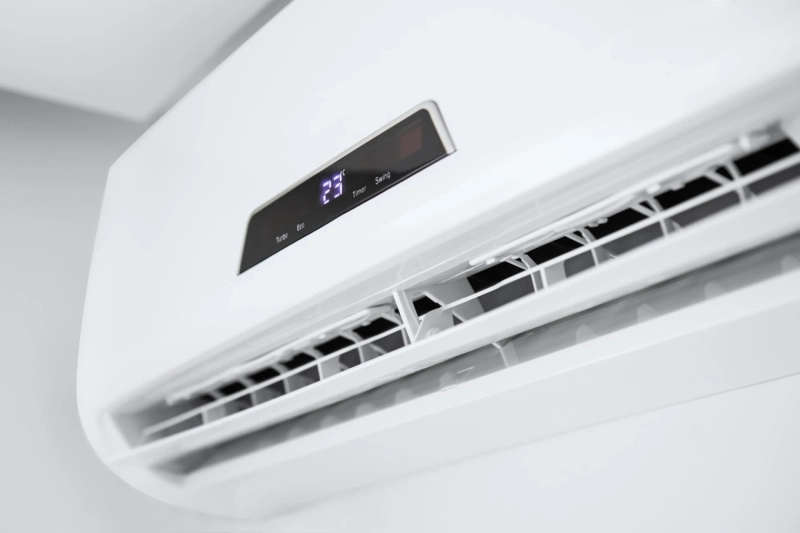
When it comes to staying comfortable in South Australia’s varying climate, air conditioning plays a crucial role. Whether you’re looking to cool a cozy home or a sprawling office space, understanding the difference between residential and commercial air conditioning installation can save you time, money, and stress. Air Conditioning Installation Adelaide providers often highlight that the approach for homes versus businesses differs in several key ways, from system design to ongoing maintenance.
System Size and Capacity
One of the most obvious differences between residential and commercial air conditioning installation is the size and capacity of the system. Residential systems are generally smaller because they are designed to cool a limited space, such as a single-family home or an apartment. These units are tailored for comfort rather than sheer output, focusing on maintaining consistent temperatures in living areas.
On the other hand, commercial air conditioning systems are built to handle much larger spaces with higher occupancy. Think offices, retail spaces, warehouses, or restaurants. The installation process must consider air circulation across multiple rooms, high ceilings, and larger window surfaces, which can significantly affect cooling efficiency. A commercial-grade system often includes multiple units, complex ductwork, and advanced zoning controls to ensure every corner of the building is adequately cooled.
Complexity of Installation
Residential installations are relatively straightforward. In most cases, a single unit or a split system is installed, which can often be completed in a day or two. Homeowners may need minor electrical upgrades or adjustments to existing ductwork, but the process is generally simple and minimally disruptive.
Commercial installations, however, are much more complex. Installing an air conditioning system in a commercial building may require structural modifications, extensive ducting, and integration with building management systems. It may also involve additional considerations such as fire safety compliance, ventilation for kitchens or industrial processes, and special refrigeration requirements for certain businesses. Due to this complexity, commercial installations typically take longer and require a team of skilled technicians working together to ensure optimal performance.
Cost Differences
Naturally, the differences in size and complexity impact the cost. Residential air conditioning installation is usually more affordable, with prices varying depending on the system type and the size of the home. Homeowners can often budget for installation without extensive financial planning, and many service providers offer financing options.
Commercial systems, however, involve a higher upfront investment due to the need for larger equipment, more extensive ductwork, and professional design and installation. Additionally, commercial clients often need ongoing maintenance contracts to ensure the system operates efficiently year-round. While the initial cost may be higher, investing in a quality commercial installation can significantly reduce long-term energy expenses and prevent costly repairs.
Energy Efficiency and Usage
Residential systems are designed for intermittent use, typically running during peak hours or hot summer days. Energy efficiency is a consideration, but comfort often takes priority over maximizing output. Homeowners can choose from energy-saving options such as inverter technology or programmable thermostats, which help reduce electricity bills while maintaining comfort.
Commercial systems, however, must balance efficiency with performance under constant use. These systems often operate for extended hours and must accommodate multiple users simultaneously. As a result, commercial air conditioning installation requires careful planning to optimize energy use, sometimes incorporating advanced controls, variable refrigerant flow, and smart building management systems to reduce waste and maintain consistent indoor climate conditions.
Maintenance and Longevity
Maintenance needs also differ between residential and commercial systems. Residential units typically require annual servicing to clean filters, check refrigerant levels, and ensure overall functionality. Simple upkeep can extend the life of the system by several years.
Commercial systems, however, demand more frequent and comprehensive maintenance due to their heavy usage. Regular inspections, cleaning of large-scale ducting, and monitoring of system components are crucial to prevent downtime, especially in businesses where air conditioning is critical for operations or customer comfort. Many businesses enter into maintenance contracts with installation providers to ensure reliability and longevity.
Choosing the Right Provider
Whether for a home or a business, selecting the right provider is essential. Companies offering Air Conditioning Installation Adelaide services understand the unique requirements of both residential and commercial clients. They can advise on system sizing, energy efficiency, installation methods, and ongoing support, ensuring your investment delivers maximum comfort and reliability.
In summary, while the goal of both residential and commercial air conditioning installation is to create a comfortable indoor environment, the methods, complexity, and costs vary significantly. Homeowners enjoy smaller, simpler systems focused on comfort, whereas businesses require larger, more sophisticated installations capable of handling higher demands. Understanding these differences helps property owners make informed decisions and choose the right systems and services to meet their specific needs.