



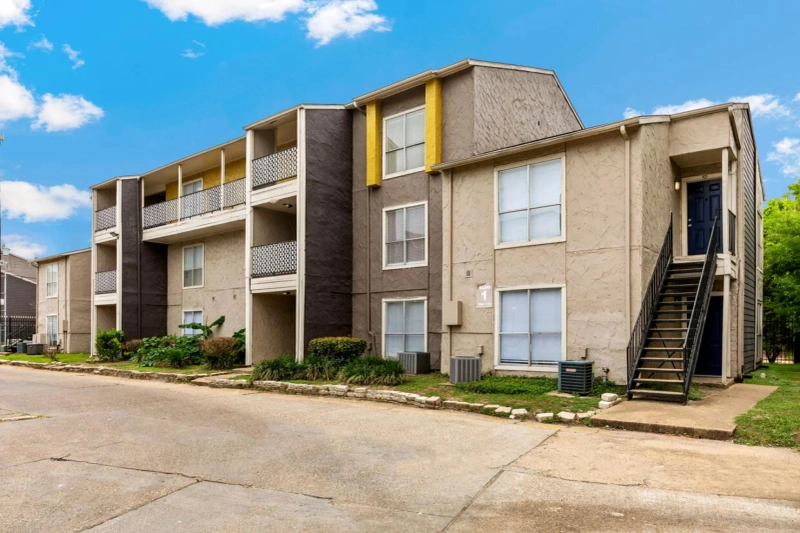
Finding the perfect apartment can be challenging in any city, but it becomes even more complex in popular tourist destinations. Cities known for their beaches, cultural attractions, or vibrant nightlife often see a significant influx of visitors throughout the year. While this might be excellent for local businesses, it can present unique challenges for long-term renters. If you are considering moving to a tourist-heavy area, understanding the nuances of renting an apartment there is essential. From fluctuating rental prices to the realities of living in a crowded environment, several factors should guide your decision. In this article, we’ll explore the key considerations for long-term renters, helping you make informed choices when seeking a place to call home in these bustling locales.
Seasonal Fluctuations and Their Impact on Rent
One of the most important aspects to consider when renting in tourist areas is the seasonal fluctuation in both population and rental prices. During peak tourist seasons, demand for short-term rentals often surges, which can impact the availability and cost of long-term apartments. Landlords in these areas may prioritize short-term leases that can generate higher income during high-demand periods, making it more challenging for long-term renters to secure an apartment at a stable rate. Even if you find a lease agreement for the year, you might encounter periodic increases in rent or other fees designed to offset the loss of potential short-term rental income.
Additionally, living in a tourist-heavy area can mean adjusting to seasonal noise, congestion, and crowded public spaces. While this may seem like a minor inconvenience, it can significantly impact your quality of life, especially if you prefer a quieter environment for work or family life. Long-term renters must weigh the pros and cons of these seasonal changes and decide whether the lifestyle aligns with their personal preferences.
Understanding Local Rental Laws and Regulations
Another critical factor is understanding the local laws and regulations that govern rental properties. Tourist destinations often have unique ordinances that affect long-term tenants. For example, some cities enforce stricter rules on property maintenance, noise levels, or even limits on the number of long-term rentals allowed within specific neighborhoods. Being aware of these regulations can help renters avoid conflicts with landlords or local authorities and ensure that their tenancy is legally protected.
It’s also essential to understand tenant rights in the area. In some tourist-heavy regions, landlords may have more leverage due to high demand for rental properties, which can make negotiating lease terms challenging. Prospective renters should be prepared to review lease agreements carefully, ask questions about maintenance responsibilities, and understand the procedures for rent increases or lease terminations. Consulting with a local real estate professional or legal advisor can provide valuable guidance and ensure you are making a secure, informed decision.
Amenities and Infrastructure in High-Tourist Areas
Tourist areas often offer an abundance of amenities, such as restaurants, entertainment venues, beaches, and recreational facilities. While these can make living in the area enjoyable, they can also come with trade-offs. Apartments in popular locations may charge higher rent due to proximity to attractions, and parking or public transportation options may be limited due to congestion.
When evaluating potential apartments, consider your daily lifestyle needs. For instance, if you rely on public transportation, check the frequency and convenience of routes. If you drive, ensure that parking is included or readily available. Access to essential services, such as grocery stores, healthcare facilities, and schools, should also factor into your decision. While it’s tempting to focus solely on scenic views or nightlife proximity, practical considerations are crucial for long-term comfort and convenience.
Finding an Apartment for Rent in Corpus Christi TX
For those specifically looking to settle in Corpus Christi, TX, the rental market comes with its own set of opportunities and challenges. Known for its coastal attractions, museums, and vibrant cultural scene, Corpus Christi draws both tourists and seasonal residents. Long-term renters seeking an apartment in this city should plan carefully and consider both location and lifestyle preferences. Coastal areas may offer stunning views and easy beach access but often come with higher rent and seasonal influxes of visitors. On the other hand, neighborhoods further inland may provide more stability, lower rental costs, and quieter surroundings while still being within reasonable commuting distance to popular attractions.
When searching for an apartment for rent in Corpus Christi TX, it’s wise to start your search early, especially if you aim to move during the peak tourist season. Rental listings can fill up quickly, and proactive planning gives you a broader range of options. Working with a reputable local real estate agent can help identify properties that balance affordability, convenience, and lifestyle needs, while also providing insight into neighborhoods that suit long-term living rather than short-term tourism-focused rentals.
Security and Safety Considerations
Living in a tourist-heavy area can also raise concerns about security and safety. With a higher influx of visitors, some neighborhoods may experience increased petty crime or property theft, particularly in areas where short-term rentals are common. When evaluating an apartment, pay attention to security measures, such as gated entrances, surveillance cameras, or on-site management. Research crime statistics in the neighborhood and consider how accessible emergency services are. Ensuring that you feel safe and secure in your home is essential for long-term satisfaction, regardless of how picturesque or convenient a location might be.
The Social Environment and Community Life
Another aspect to consider is the social environment and community life in tourist areas. High turnover of short-term visitors can affect the sense of community, making it harder to establish long-term relationships with neighbors. This dynamic can be both a benefit and a challenge: while it may provide opportunities to meet new people and enjoy a lively atmosphere, it can also make the area feel transient or less cohesive. Long-term renters should evaluate whether they prefer a neighborhood with a strong sense of community or are comfortable with a constantly changing social landscape. Attending local events, visiting public spaces, and spending time in prospective neighborhoods before committing to a lease can help gauge the atmosphere.
Preparing for the Financial Realities
Renting in tourist destinations often involves financial considerations beyond monthly rent. Utilities, parking fees, and maintenance costs can be higher due to the popularity of the area. Some landlords may also require higher security deposits or additional insurance coverage. Prospective renters should prepare a realistic budget that accounts for these potential expenses. Additionally, it’s important to consider the long-term financial implications of fluctuating rent, especially if the area sees seasonal spikes in demand. Planning ahead can prevent surprises and help ensure that your living arrangement remains sustainable over time.
Making the Right Choice for Long-Term Living
Ultimately, the key to successfully renting an apartment in a tourist area lies in thorough research and careful planning. Understanding the seasonal patterns, local regulations, and neighborhood dynamics will equip you to make a well-informed decision. Take the time to evaluate your lifestyle needs, financial constraints, and long-term goals before committing to a lease.
By considering these factors, you can enjoy the benefits of living in a vibrant, attractive location without being overwhelmed by the challenges that come with high tourist traffic.
While tourist areas may seem primarily designed for visitors, they can also offer a fulfilling long-term living experience for those who approach the rental process strategically. With careful consideration of location, amenities, community, and financial realities, you can find an apartment that meets your needs and provides a comfortable, enjoyable home.
Living in a tourist-heavy area can offer unique experiences and a dynamic lifestyle that is hard to replicate elsewhere. By understanding the complexities of renting in these environments and making thoughtful choices, long-term renters can enjoy the best of both worlds: access to vibrant cultural scenes, scenic landscapes, and recreational opportunities, while still maintaining the stability and comfort of a permanent home. Whether your goal is to embrace the energy of a bustling beach town or find a quiet enclave within a popular city, being informed and prepared will make all the difference.