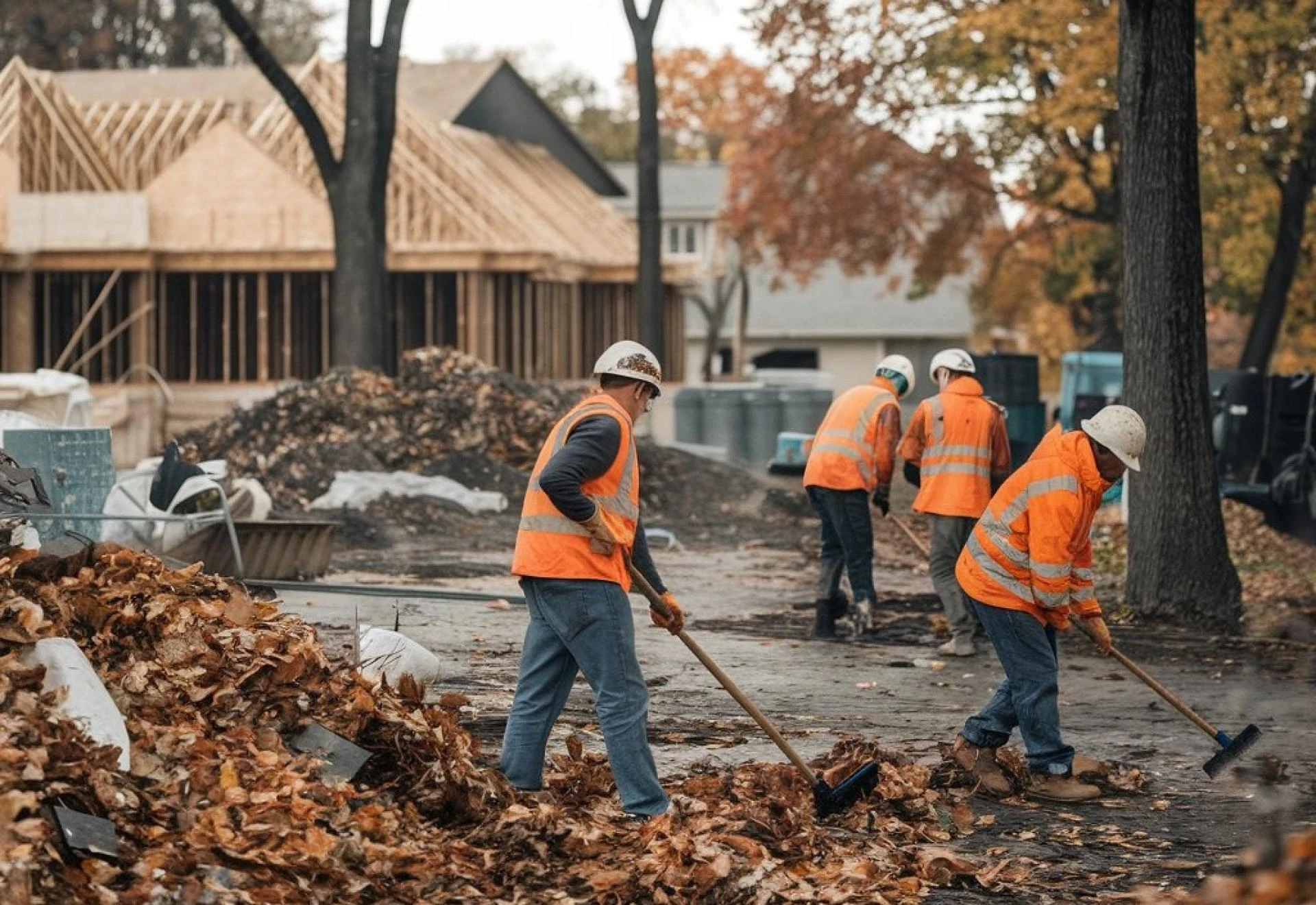
Removing Construction Dust Safely: Post Construction Cleaning Tips
After a construction or renovation project, your space might look brand new, but it's often covered in a layer of fine dust that can be tricky to handle. Post construction cleaning is essential to make your home or office safe and livable again, focusing on removing dust without spreading it further or risking health issues. This process involves careful steps to protect yourself and others from inhaling harmful particles, which could include silica or other irritants. In this guest post, we'll explore practical tips for safe dust removal, helping you achieve a spotless result with minimal hassle.
Understanding the Dangers of Construction Dust
Construction dust isn't just unsightly; it can pose serious health risks if not handled properly during post construction cleaning. Fine particles from materials like drywall or concrete can irritate eyes, skin, and lungs, leading to issues like coughing or allergies. For example, silica dust, common in many building projects, is linked to long-term respiratory problems if inhaled over time. That's why recognizing these hazards is the first step in safe post construction cleaning. By being aware, you can take precautions to minimize exposure and ensure a healthier environment.
Preparing Your Space for Cleaning
Before diving into post construction cleaning, preparation is key to making the process efficient and safe. Start by sealing off areas not being cleaned to prevent dust from spreading, such as covering doorways with plastic sheets. Gather all necessary supplies in advance to avoid multiple trips that could stir up more dust. Remove large debris first, like scraps of wood or nails, to clear the way for detailed dusting. This setup helps you work systematically, reducing the chance of accidents and ensuring thorough results.
Essential Tools for Effective Dust Removal
Having the right tools makes post construction cleaning much smoother and safer. A HEPA-filtered vacuum is crucial because it traps tiny dust particles that regular vacuums might release back into the air. Microfiber cloths and damp mops are great for wiping surfaces without creating airborne dust clouds. Don't forget protective gear like masks, gloves, and goggles to shield yourself from irritants. For example, using an extendable duster can help reach high ceilings without ladders, adding convenience to your post construction cleaning routine.
Step-by-Step Guide to Cleaning Surfaces
Post construction cleaning should follow a logical order to avoid re-contaminating areas. Begin from the top down, starting with ceilings and light fixtures, then moving to walls and finally floors. Use a damp cloth for wiping to capture dust rather than scattering it; for instance, gently mist walls before cleaning to weigh down particles. Vacuum upholstery and carpets thoroughly with the HEPA attachment to remove embedded dust. Repeat the process if needed, as multiple passes ensure all residues are gone during post construction cleaning.
Safety Measures to Protect Yourself and Others
Safety is paramount in post construction cleaning to prevent injuries or health issues. Always wear a respirator mask rated for fine particles, especially in enclosed spaces where dust can linger. Keep children and pets away from the area until cleaning is complete to avoid accidental exposure. Ventilate the room by opening windows, but use fans cautiously to direct dust outward without recirculating it. For example, if you're sensitive to dust, consider enlisting help or breaking the task into shorter sessions to maintain safety throughout post construction cleaning.
Handling Specific Areas Like Floors and Windows
Different areas require tailored approaches in post construction cleaning for best results. For floors, sweep gently with a soft broom before vacuuming to avoid scratching surfaces. Windows often collect a film of dust, so clean them with a vinegar-water solution for streak-free shine. Pay attention to hidden spots like baseboards or vents, where dust accumulates unnoticed. Using these targeted methods ensures every part of your space is addressed safely and effectively in post construction cleaning.
Avoiding Common Mistakes in Dust Removal
Many people rush post construction cleaning and end up with lingering dust or health concerns. A frequent error is dry sweeping, which sends particles into the air instead of containing them. Another is skipping protective gear, leading to unnecessary exposure to irritants. Always test cleaning solutions on small areas first to prevent damage, like on painted walls. By steering clear of these pitfalls, you can achieve a more professional outcome in your post construction cleaning efforts.
Maintaining a Dust-Free Environment Post-Cleaning
Once post construction cleaning is done, ongoing maintenance helps keep dust at bay. Regular vacuuming and dusting with microfiber tools can prevent buildup from everyday activities. Install air purifiers with HEPA filters to capture any residual particles in the air. Change HVAC filters frequently, especially after construction, to improve indoor air quality. These habits extend the benefits of your initial post construction cleaning, creating a healthier space long-term.
Conclusion
Removing construction dust safely through post construction cleaning involves understanding risks, preparing properly, using the right tools, and following a step-by-step process while prioritizing safety. By addressing specific areas, avoiding mistakes, and maintaining cleanliness afterward, you can transform a dusty post-construction site into a welcoming environment. These tips ensure not only a thorough clean but also protection for your health and home. With a friendly approach and careful execution, post construction cleaning becomes manageable and effective for anyone.
FAQs
- What makes construction dust different from regular household dust? Construction dust often contains finer particles from materials like cement or insulation, which can be more harmful to breathe in compared to everyday dust from skin or fabric. It may include chemicals or silica that irritate the respiratory system. In post construction cleaning, treating it with care, like using HEPA vacuums, helps manage these differences safely.
- Do I need professional help for post construction cleaning? Not always; many can handle it themselves with the right tools and precautions. However, if the project was large or involved hazardous materials like asbestos, professionals are recommended for safety. For smaller jobs, following DIY tips can save money while achieving good results in post construction cleaning.
- How long does post construction cleaning typically take? It depends on the space size and dust amount, but a standard room might take 2-4 hours. Larger homes could require a full day or more, especially if multiple passes are needed. Planning ahead and working in sections makes post construction cleaning more efficient and less overwhelming.
- Can I use regular cleaning products for construction dust? Yes, but opt for gentle, non-abrasive ones to avoid damaging new surfaces. Water-based solutions like vinegar mixes work well for most areas without harsh chemicals. In post construction cleaning, always dampen cloths to trap dust rather than spreading it with dry methods.
- What if dust returns after post construction cleaning? This can happen if vents or filters weren't cleaned thoroughly. Check and replace air filters, and vacuum hidden spots regularly. Ongoing ventilation and air purifiers can prevent recurrence, ensuring your post construction cleaning efforts last longer.