



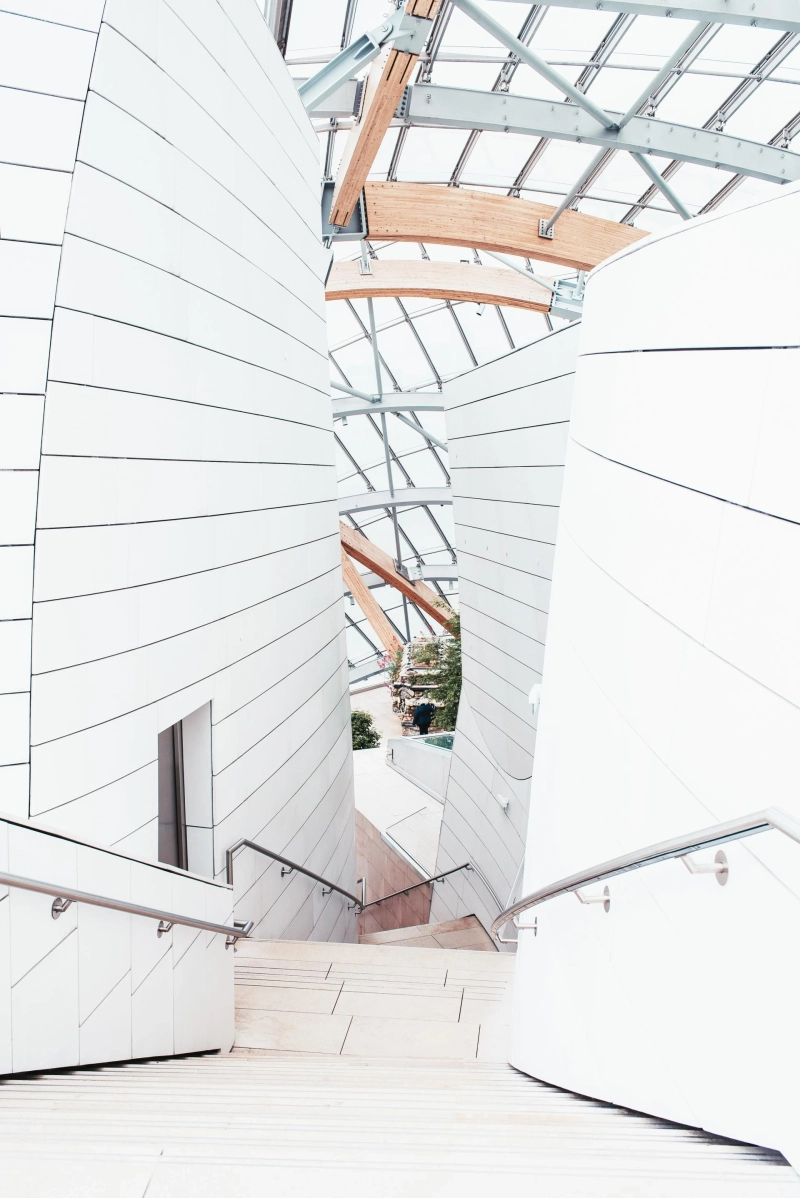
Reinventing spaces by combining historical buildings with modern design has become one of the most exciting trends today. Instead of tearing down the past, architects are finding ways to respect history while bringing in new styles, technology, and usefulness. This method not only keeps cultural identity alive but also creates spaces that work well and inspire modern living.
Historical buildings often have rich textures, unique proportions, and detailed craftsmanship that modern architecture rarely replicates. Preserving these features offers a sense of continuity and authenticity. By thoughtfully incorporating modern elements, such as sleek glass extensions, minimalist interiors, or structural reinforcements, designers foster a conversation between the old and the new. This contrast showcases the beauty of both eras while making sure the building meets today’s standards for safety, comfort, and energy efficiency.
One of the most transformative tools in this process is technology. 3D scanning and Building Information Modeling (BIM) help architects evaluate historical structures and plan modern additions without ruining the original fabric. Smart systems can also be integrated easily. This lets historical buildings serve as high-performance modern spaces. For example, climate control, lighting, and energy management can be updated to meet current sustainability goals without changing the building’s character.
Adaptive reuse is a popular approach in this trend. Old factories, warehouses, and heritage homes are changed into offices, galleries, co-living spaces, or boutique hotels. These projects show how modern design can revive neglected buildings while honoring their history. Choosing materials is important. Pairing modern finishes like steel, glass, and concrete with original brick, timber, or stone creates a striking contrast and highlights craftsmanship from different eras.
Human experience is central to this approach. Spaces that combine history and modernity provide visitors and occupants with a unique story that links the past and the present. Careful circulation, natural light, and practical layouts make the building visually appealing as well as comfortable. Social and cultural areas, like museums or community centers, gain a lot from this combination. It creates an immersive experience that promotes learning, reflection, and engagement.
Sustainability is another important factor. Repurposing existing structures cuts down on demolition waste, keeps embodied energy, and usually needs fewer new materials than building from scratch. Modern updates can also improve energy efficiency, water management, and indoor environmental quality. This makes heritage spaces relevant for today’s environmental needs.
Reinventing spaces by combining historical architecture with modern innovation honors both memory and progress. It pushes architects to find a balance between preservation and creativity. Clients often search for the best architect for home renovation to achieve the ideal mix of old charm and modern functionality. The outcome is vibrant, meaningful architecture that links generations, improves communities, and creates a new standard for how the old and new can live together in harmony.