




India’s energy landscape is undergoing a fundamental shift. Large, centralized power plants are no longer the sole pillars of electricity generation. Rooftop solar, open-access renewable plants, energy storage, and microgrids are steadily changing how power is produced and consumed. At the heart of this transformation lies Power transmission & distribution, the critical link that determines whether clean energy can move reliably from source to socket.
As renewable energy projects expand across geographies and ownership models become more distributed, traditional grid systems are being tested like never before. Reinventing power transmission & distribution is no longer optional—it is essential to support decentralization, ensure grid stability, and unlock the full potential of India’s clean energy ambitions.
The Shift Toward Decentralized Energy Systems
Decentralized energy refers to power generated closer to the point of consumption. This includes rooftop solar for commercial buildings, captive renewable plants for industries, and localized microgrids for remote regions. Unlike conventional generation, where power flows one way from large plants to consumers, decentralized systems create multi-directional power flows.
This shift places new demands on power transmission & distribution networks. Infrastructure designed decades ago for predictable, centralized generation must now handle variable inputs, reverse power flow, and fluctuating loads—all while maintaining reliability and safety.
Why Power transmission & distribution Needs Reinvention
India’s existing transmission and distribution infrastructure has supported rapid electrification, but decentralization introduces new challenges:
- Grid congestion as renewable capacity grows faster than evacuation infrastructure
- Voltage instability caused by intermittent solar and wind generation
- Higher technical losses in aging distribution networks
- Limited visibility into real-time power flows at the distribution level
To address these challenges, power transmission & distribution systems must evolve from passive networks into intelligent, flexible, and resilient energy highways.
Role of Power Transmission Companies in a Decentralized Grid
A modern Power Transmission Company plays a far more dynamic role than simply moving electricity across long distances. In a decentralized future, transmission companies are responsible for:
- Creating robust evacuation corridors for renewable energy projects
- Integrating interstate and intrastate renewable power flows
- Deploying advanced protection and monitoring systems
- Supporting grid balancing through smarter substations and automation
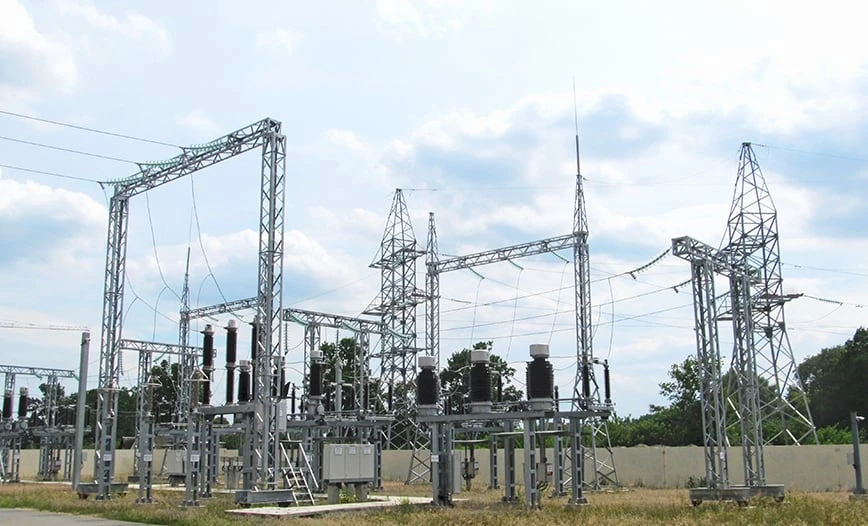
High-capacity transmission lines, flexible AC transmission systems (FACTS), and digital substations are increasingly becoming standard tools to ensure renewable power reaches demand centers without bottlenecks.
Distribution Networks: The Frontline of Decentralization
While transmission networks connect regions, distribution networks connect people, industries, and businesses. In a decentralized setup, distribution infrastructure must handle:
- Rooftop solar injection into local feeders
- Electric vehicle charging loads
- Battery energy storage systems
- Net metering and open-access renewable power
This requires upgrades such as smart meters, automated switchgear, advanced SCADA systems, and stronger low- and medium-voltage infrastructure. Without these upgrades, decentralized renewable energy projects risk underperformance and grid disruptions.
Engineering Procurement and Construction Companies as Enablers
The transition toward decentralized energy cannot succeed without capable engineering procurement and construction company partners. EPC players bridge the gap between policy intent and on-ground execution.
Their role includes:
- Designing transmission and distribution systems aligned with renewable integration
- Procuring high-quality equipment for substations, switchyards, and distribution panels
- Executing projects with minimal downtime and maximum safety
- Ensuring compliance with evolving grid codes and standards
Experienced EPC companies understand that power transmission & distribution is no longer about scale alone, but about flexibility, intelligence, and future readiness.
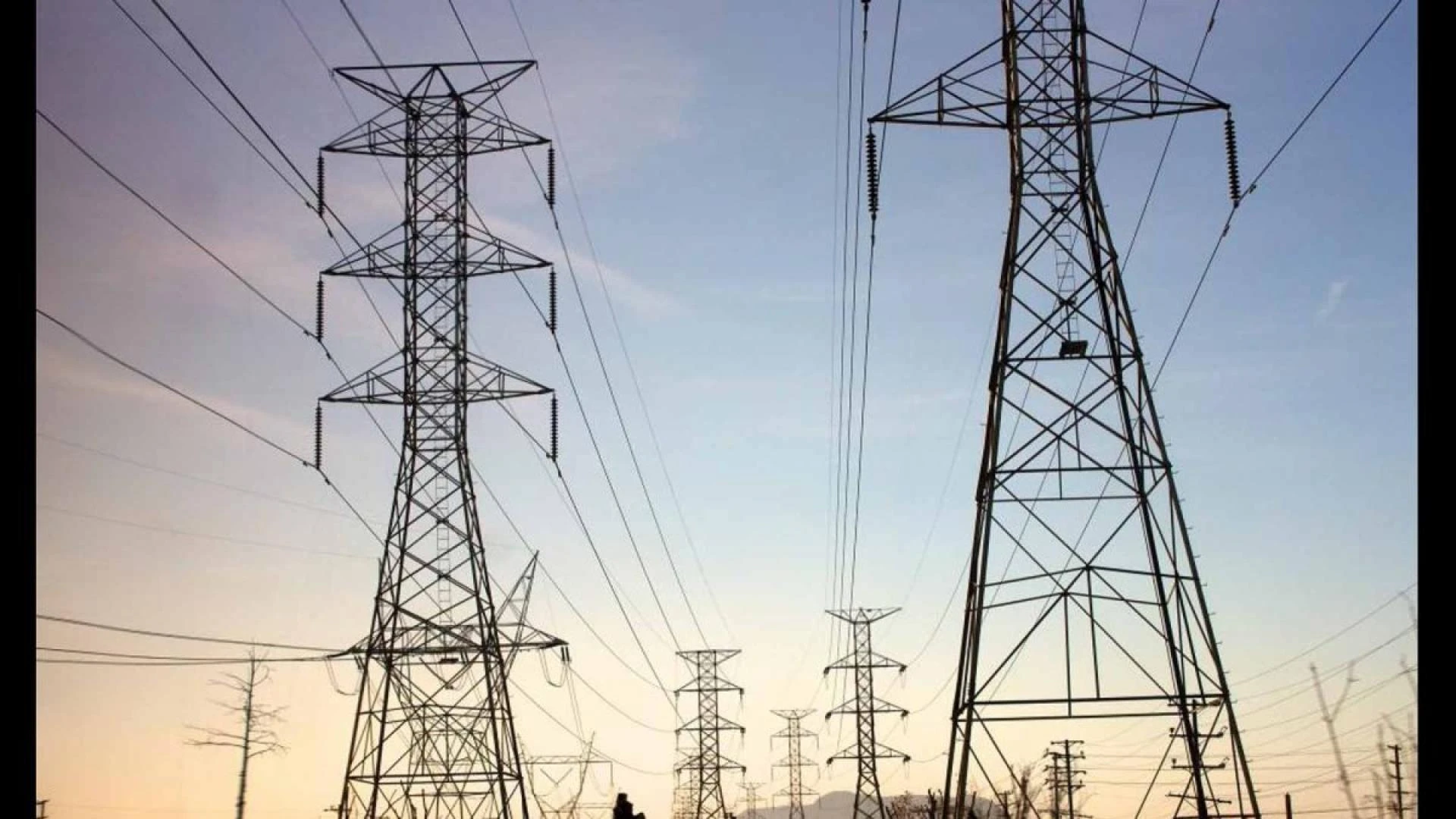
![]() Integrating Renewable Energy Projects Seamlessly
Integrating Renewable Energy Projects Seamlessly
Renewable energy projects are often located far from load centers—solar parks in arid regions or wind farms along coastlines. Efficient power transmission & distribution ensures that this green power does not remain stranded.
Key strategies enabling integration include:
- Dedicated transmission corridors for renewable zones
- Hybrid substations supporting solar, wind, and storage
- Advanced forecasting tools to manage variability
- Grid-forming technologies to improve stability
When designed correctly, transmission and distribution infrastructure becomes an accelerator rather than a bottleneck for renewable energy growth.
Digitalization: The Backbone of the New Grid
Decentralized energy demands real-time intelligence. Digital technologies are transforming power transmission & distribution into responsive, data-driven systems.
Some critical advancements include:
- Smart substations with condition monitoring
- AI-driven load forecasting and fault detection
- Automated distribution management systems
- Cyber-secure communication networks
These tools allow utilities and power transmission companies to anticipate issues, balance loads dynamically, and respond faster to disruptions—essential qualities in a decentralized energy ecosystem.
Economic and Sustainability Benefits
Reinventing power transmission & distribution delivers benefits beyond grid stability:
- Reduced transmission losses, improving overall system efficiency
- Lower energy costs by enabling localized consumption
- Higher renewable penetration, supporting climate goals
- Improved reliability for industries and critical infrastructure
For businesses investing in renewable energy projects, a strong grid ensures predictable returns and long-term energy security.
The Road Ahead for India’s Energy Infrastructure
India’s clean energy targets are ambitious, and rightly so. However, achieving them depends as much on grid readiness as on generation capacity. Power transmission & distribution must be planned as an integrated part of every renewable project, not an afterthought.
Future-ready grids will be decentralized yet interconnected, digital yet resilient, and flexible enough to adapt to changing energy patterns. The collaboration between power transmission companies, EPC players, policymakers, and renewable developers will define how smoothly this transition unfolds.
Partner with Hartek Group for Future-Ready Power Infrastructure
As India accelerates toward a decentralized energy future, Hartek Group is enabling the transformation through robust power transmission & distribution solutions. With deep expertise as an engineering procurement and construction company, Hartek delivers end-to-end infrastructure that supports renewable energy projects, grid modernization, and long-term reliability.
Explore how Hartek Group is strengthening India’s energy backbone and powering the transition to a smarter, cleaner future. Visit the website to learn more.
FAQs
What is Power transmission & distribution in simple terms?
Power transmission & distribution refers to the network that carries electricity from generation sources to end users, including high-voltage transmission lines and local distribution systems.
Why is decentralization impacting power transmission & distribution?
Decentralized energy introduces multiple power sources and variable generation, requiring smarter, more flexible transmission and distribution networks.
How do renewable energy projects affect grid infrastructure?
Renewable energy projects add intermittent power to the grid, making advanced transmission planning and distribution upgrades essential for stability.
What role does a Power Transmission Company play in renewable integration?
A Power Transmission Company builds and operates infrastructure that evacuates renewable power and balances regional supply and demand.
Why are EPC companies important for modern power grids?
An engineering procurement and construction company ensures that transmission and distribution systems are designed, built, and commissioned to meet modern renewable and digital requirements.