



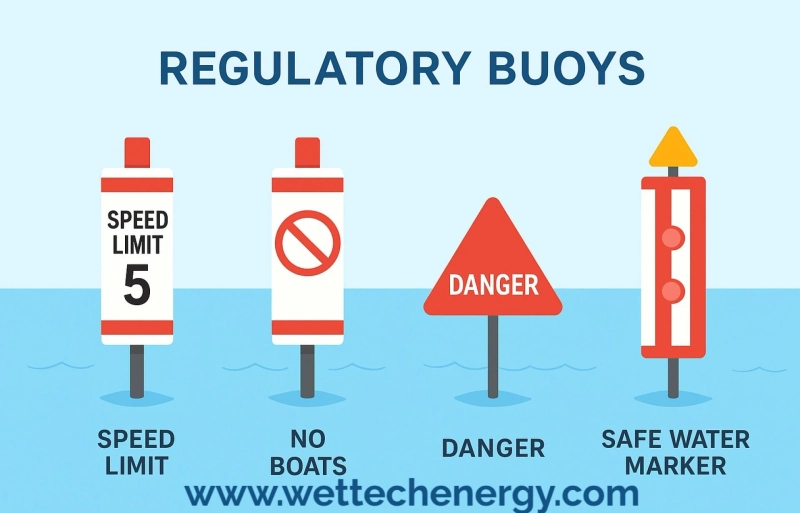
When it comes to keeping waterways safe and organized, regulatory buoys play a much bigger role than most people realize. Whether it’s a busy harbor, a recreational lake, or a commercial shipping route, these buoys act as the “traffic signs” of the water—guiding boaters, preventing accidents, and protecting the environment.
In this article, we’ll break down what regulatory buoys are, how they work, the different types you may see on the water, and why they’re essential for any well-managed marine environment.
What Are Regulatory Buoys?
Regulatory buoys are floating markers installed on water bodies to communicate rules, restrictions, warnings, or guidance to boaters. Instead of words or long signs, they use clear symbols, colors, and shapes so every mariner—experienced or not—can understand them immediately.
These buoys are designed to be bright, visible from long distances, and strong enough to handle waves, weather, and constant movement.
Why Are Regulatory Buoys Important?
1. Improve Boater Safety
They alert boaters to hazards like rocks, shallow areas, or underwater structures that could cause accidents.
2. Protect Restricted Zones
Regulatory buoys help mark areas where boating activities must be controlled—for example, no-wake zones near docks or swimming areas.
3. Help Manage Water Traffic
Just like roads have lanes and signs, waterways need structure. These buoys help vessels move safely in crowded locations.
4. Support Environmental Protection
They mark eco-sensitive zones, wildlife areas, and marine reserves to prevent damage from boats.
Types of Regulatory Buoys
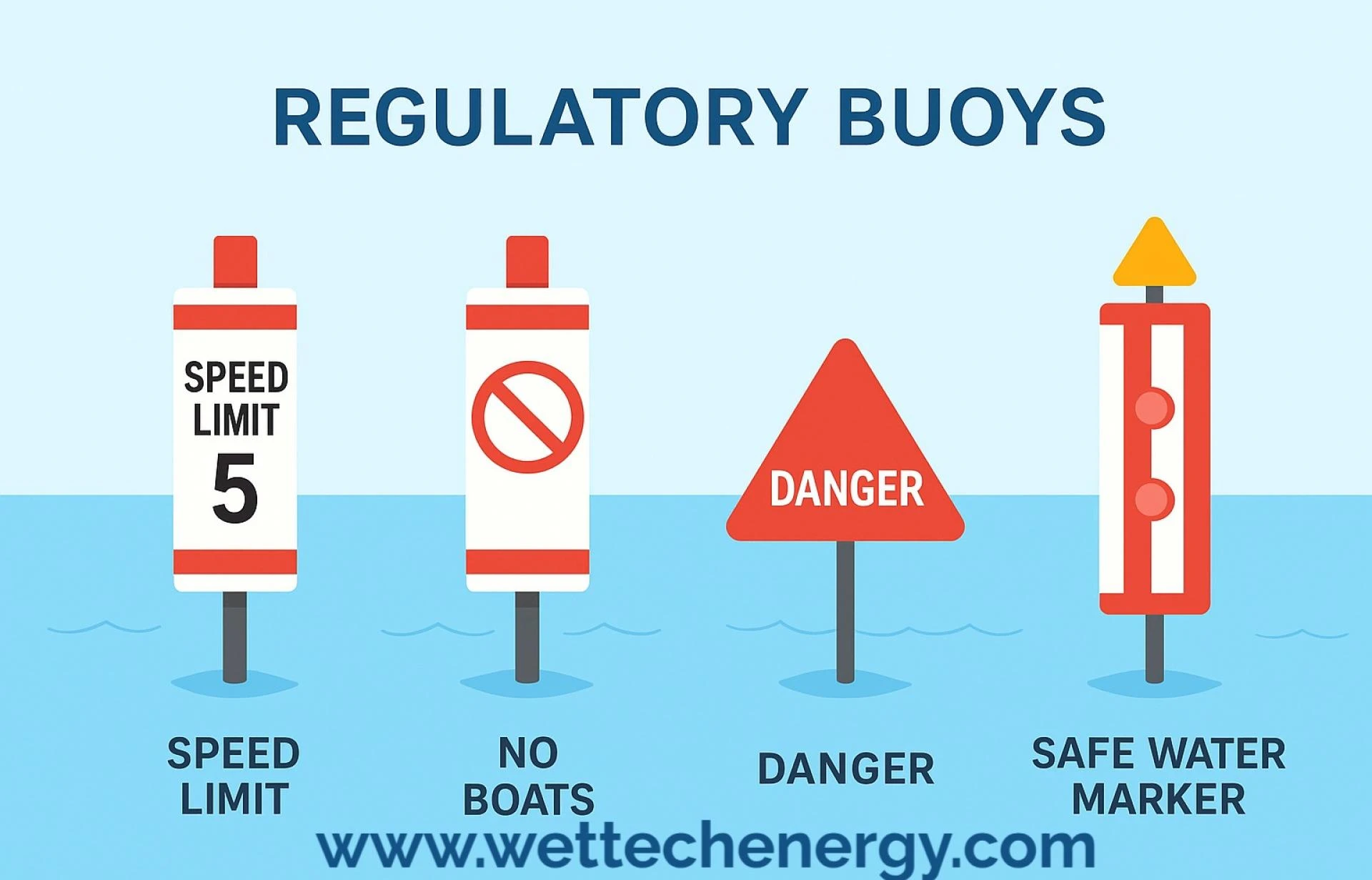
Regulatory buoys come in several key forms, each symbolizing a specific message:
1. No Entry Buoys
Indicate areas where boats are not allowed at all—often used for military zones, private areas, or dangerous waters.
2. Control Buoys
Define special restrictions.
Common examples include:
- Speed limits
- Slow or no-wake zones
- Wake-free areas near residential docks
3. Hazard Buoys
Warn of dangers such as:
- Rocks
- Shoals
- Drop-offs
- Underwater obstructions
- These buoys help prevent vessel damage and accidents.
4. Information Buoys
Provide helpful details like:
- Directions
- Facility locations
- Marina or docking information
Where Are Regulatory Buoys Used?
Regulatory buoys are widely used across:
- Lakes and rivers
- Harbors and marinas
- Coastal navigation routes
- Ports and shipping lanes
- Water sports and recreational areas
Any location with regular boating activity benefits from these regulatory markers.
Materials & Design
Modern regulatory buoys are built using durable materials like:
- Polyethylene
- High-density plastic
- Steel (for heavy-duty use)
- Foam-filled structures for extra buoyancy
They typically feature bright colors—mainly white and orange—with reflective panels or solar-powered LED lights for nighttime visibility.
How Regulatory Buoys Enhance Waterway Management
Without these buoys, boats would be moving blindly, especially in areas with hidden hazards or heavy traffic. Regulatory buoys ensure predictable, safe movements across waterways, reduce accidents, and help authorities enforce local boating regulations.
Their presence doesn’t just help boaters—it helps protect the natural environment and maintain order on the water.
Final Thoughts
Regulatory buoys may look simple, but they are essential tools for safe navigation and responsible boating. Whether marking hazards, enforcing speed limits, or protecting restricted areas, they ensure waterways remain safe, organized, and environmentally preserved.
If you’re managing a marina, governing a coastal zone, or designing a navigation system, choosing the right regulatory buoys is one of the most important decisions you can make.