



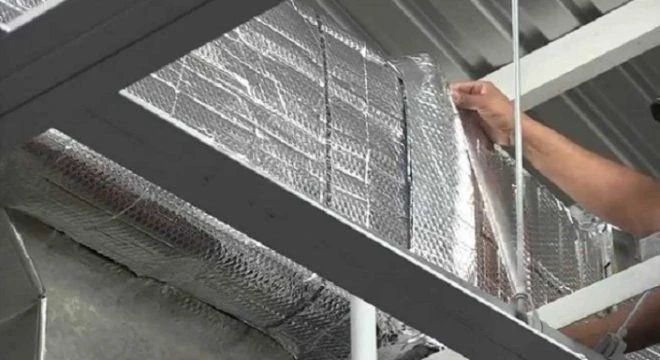
The HVAC (Heating, Ventilation, and Air Conditioning) and Fire Protection Insulation market has been experiencing substantial growth due to increasing awareness about energy efficiency, fire safety, and the stringent regulatory environment. This article explores the market size, share, industry trends, and forecasts, providing a comprehensive overview of the industry\'s current state and future prospects.
Market Size and Share
The global HVAC and Fire Protection Insulation market has shown robust growth over the past few years. Hvac And Fire Protection Insulation Market Size was estimated at 46.19 (USD Billion) in 2023. The Hvac and Fire Protection Insulation Market Industry is expected to grow from 48.57(USD Billion) in 2024 to 72.5 (USD Billion) by 2032. The Hvac And Fire Protection Insulation Market CAGR (growth rate) is expected to be around 5.14% during the forecast period (2024 - 2032). The increasing demand for energy-efficient buildings and the need for improved fire safety standards are significant drivers of this market.
The HVAC insulation segment dominates the market, accounting for about 70% of the total market share. This dominance is attributed to the widespread use of HVAC systems in residential, commercial, and industrial buildings. On the other hand, the fire protection insulation segment, while smaller, is growing at a faster rate due to increasing regulatory requirements and the rising incidence of fire-related incidents.
Industry Trends
- Energy Efficiency and Sustainability: There is a growing emphasis on energy-efficient and sustainable building practices. Insulation plays a crucial role in reducing energy consumption by maintaining desired temperatures and improving HVAC system efficiency. This trend is driving the demand for high-performance insulation materials.
- Stringent Regulations: Governments and regulatory bodies worldwide are implementing stringent building codes and standards related to energy efficiency and fire safety. Compliance with these regulations is mandatory, pushing builders and contractors to adopt advanced insulation solutions.
- Technological Advancements: The development of innovative insulation materials and technologies is another key trend. Advanced materials such as aerogels, vacuum insulation panels (VIPs), and phase change materials (PCMs) offer superior thermal and fire-resistant properties, driving their adoption in various applications.
- Growth in Construction Industry: The global construction industry is experiencing significant growth, particularly in emerging economies. This expansion is fueling the demand for HVAC and fire protection insulation as new buildings and infrastructure projects require efficient heating, cooling, and fire safety solutions.
- Retrofit and Renovation Projects: The increasing number of retrofit and renovation projects in developed regions is also contributing to market growth. Older buildings are being upgraded to meet modern energy efficiency and fire safety standards, creating a substantial demand for insulation materials.
Forecast
The HVAC and Fire Protection Insulation market is expected to continue its upward trajectory over the forecast period (2024-2030). Several factors will contribute to this growth:
- Urbanization and Industrialization: Rapid urbanization and industrialization in developing countries will drive the construction of new residential, commercial, and industrial buildings, boosting the demand for insulation materials.
- Climate Change and Energy Concerns: Growing concerns about climate change and energy conservation will lead to stricter energy efficiency regulations, further propelling the adoption of high-performance insulation solutions.
- Technological Innovations: Ongoing research and development in insulation materials will result in the introduction of more efficient and cost-effective products, enhancing their market penetration.
- Fire Safety Awareness: Increasing awareness about fire safety, coupled with the implementation of stringent fire safety codes, will drive the demand for fire protection insulation in both new and existing buildings.
- Government Initiatives: Various government initiatives and incentives aimed at promoting energy efficiency and fire safety in buildings will support market growth. For instance, tax credits and subsidies for energy-efficient construction projects will encourage the adoption of advanced insulation materials.
Regional Analysis
- North America: The North American market is one of the largest and most mature markets for HVAC and fire protection insulation. The region\'s stringent building codes and regulations, coupled with high awareness about energy efficiency and fire safety, drive the demand for advanced insulation solutions.
- Europe: Europe is another significant market, with countries like Germany, France, and the UK leading the way. The region\'s focus on sustainability and stringent energy efficiency standards are key drivers. The European Union\'s Green Deal and other initiatives further support market growth.
- Asia-Pacific: The Asia-Pacific region is expected to witness the highest growth rate during the forecast period. Rapid urbanization, industrialization, and infrastructure development in countries like China, India, and Southeast Asian nations are major factors. Increasing awareness about energy conservation and fire safety also contributes to market expansion.
- Latin America: The Latin American market is growing steadily, driven by the construction of new residential and commercial buildings. Countries like Brazil and Mexico are key contributors to the regional market, with increasing investments in infrastructure projects.
- Middle East and Africa: The Middle East and Africa region is experiencing moderate growth, primarily due to infrastructure development and urbanization. The demand for HVAC and fire protection insulation is driven by the construction of modern buildings and the need for improved energy efficiency and fire safety.
Competitive Landscape
The HVAC and Fire Protection Insulation market is highly competitive, with several key players dominating the industry. Major companies include Knauf Insulation ,Owens Corning ,SAINTGOBAIN ISOVER ,Fletcher Insulation Ltd. ,Celotex ,Johns Manville ,AIA Corporation ,Rockwool International A/S ,Polyfoam Insulations Ltd. ,Micheletti. These companies focus on product innovation, strategic acquisitions, and expanding their distribution networks to maintain their market positions.
In conclusion, the HVAC and Fire Protection Insulation market is poised for significant growth in the coming years. Factors such as increasing energy efficiency and fire safety regulations, technological advancements, and the growth of the construction industry will drive market expansion. With ongoing innovations and rising awareness about sustainability and safety, the market is expected to offer numerous opportunities for stakeholders.