



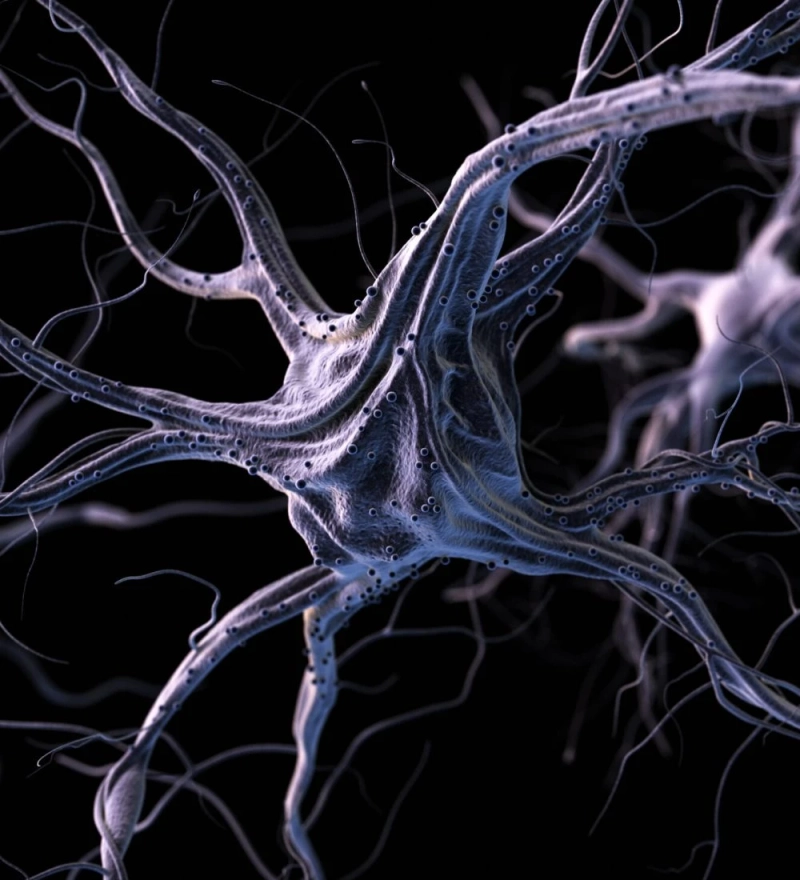
Neurological conditions often present some of the most complex challenges in modern medicine. Disorders affecting the brain and nervous system can disrupt movement, cognition, and independence, profoundly impacting quality of life. In response, researchers and clinicians are increasingly exploring regenerative approaches that aim to support repair at a cellular level rather than relying solely on symptom management.
One area drawing significant attention is neurological stem cell treatment, which focuses on how regenerative cells may interact with damaged neural tissue. Instead of replacing lost function outright, these approaches are being studied for their potential to support cellular communication, reduce inflammation, and encourage the brain’s own adaptive processes. This shift reflects a broader move toward therapies that work with the body’s natural mechanisms of recovery.
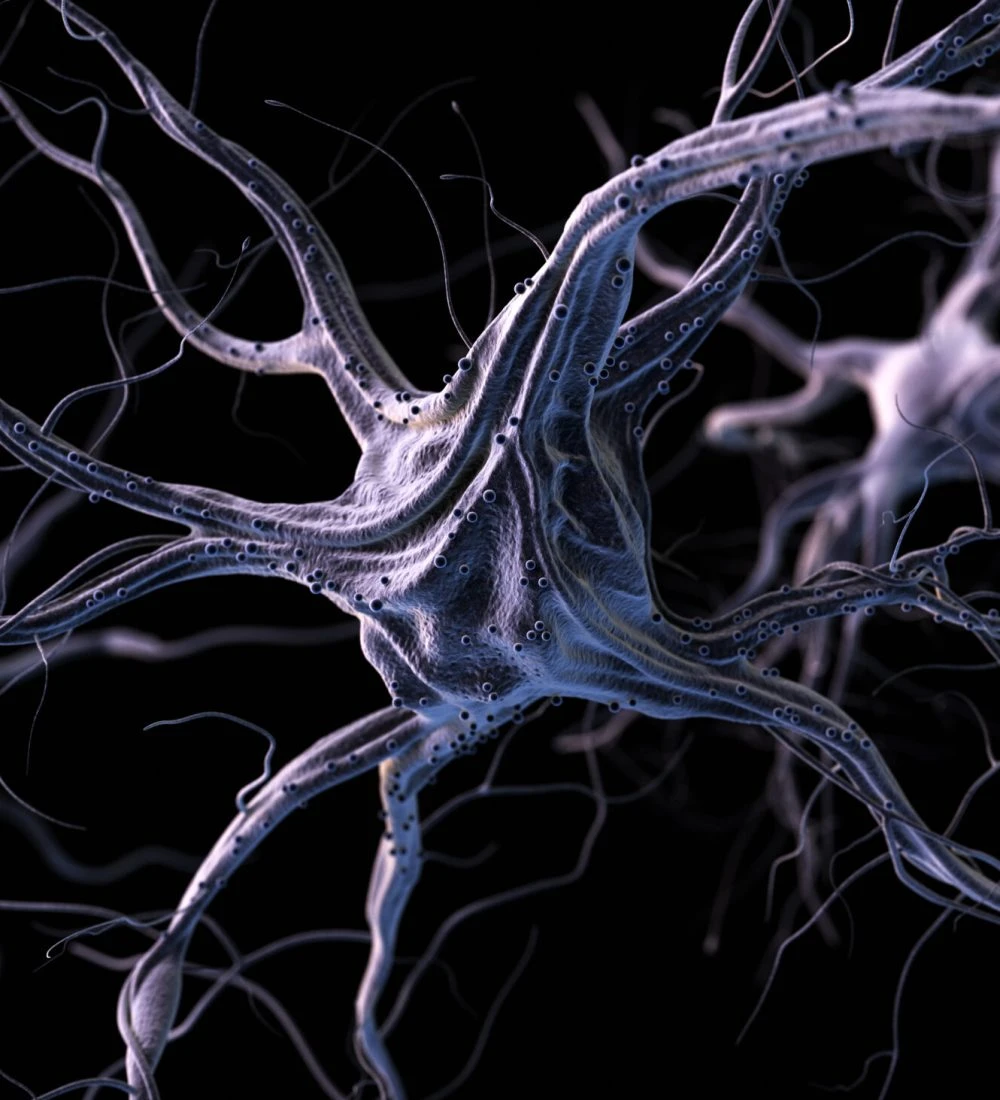
Neurodegenerative disorders remain a major focus of research. Stem cell therapy for parkinson’s disease is being investigated as a way to address the progressive loss of specific nerve cells associated with movement difficulties. While conventional treatments primarily manage symptoms, regenerative research explores whether cellular support could one day play a role in slowing progression or improving functional outcomes when used alongside established care.
Recovery after acute neurological events is another important area of exploration. Stroke recovery stem cell treatment is being studied for its potential to support rehabilitation by promoting a more favorable environment for neural repair. Researchers are examining whether regenerative approaches may help enhance recovery processes when combined with physical therapy and structured rehabilitation programs, offering patients additional avenues for regaining function.
These developments are often guided and delivered through specialized care environments such as a neuro regenerative medicine clinic. Such centers typically combine advanced diagnostics, interdisciplinary expertise, and individualized treatment planning. The emphasis is on careful evaluation and responsible application, ensuring that regenerative strategies are considered within the context of each patient’s condition and overall health.
Beyond specific diagnoses, there is growing interest in stem cell treatment for brain disorders more broadly. This includes research into traumatic brain injury, cognitive decline, and other conditions where neural repair is limited. The unifying goal across these areas is to better understand how regenerative cells interact with the nervous system and how that interaction might be guided safely and effectively.
What distinguishes regenerative neurology from traditional approaches is its long-term perspective. Rather than focusing only on immediate symptom relief, these strategies aim to support ongoing adaptation and resilience within the nervous system. This aligns with a more holistic view of neurological health, where rehabilitation, lifestyle, and medical care intersect.
It is important to recognize that regenerative neurology is still an evolving field. Ongoing clinical studies continue to define appropriate use cases, safety standards, and realistic outcomes. Patients considering these options are encouraged to seek qualified medical guidance and remain informed about current evidence.
As research progresses, regenerative approaches may continue to reshape how neurological conditions are understood and managed. By focusing on repair, adaptability, and personalized care, this field offers a forward-looking framework—one that emphasizes hope grounded in scientific exploration rather than promise alone.