



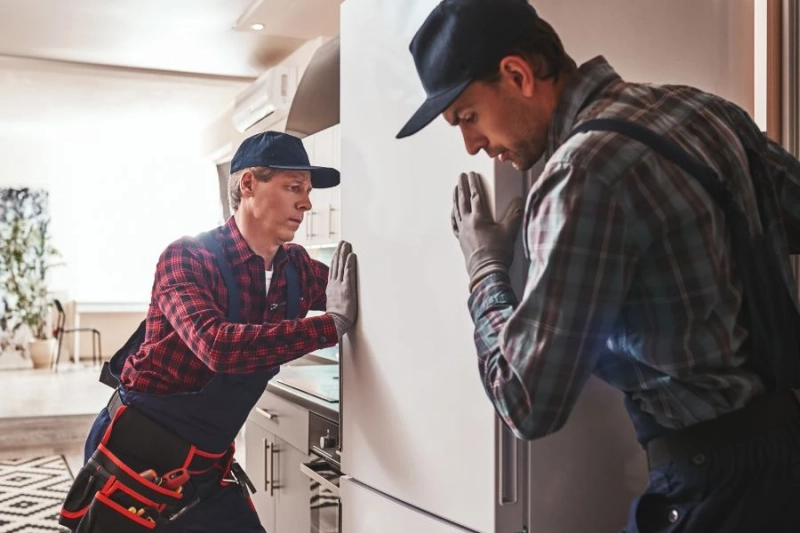

Your refrigerator is one of the only appliances in your home that runs all day, every day. Because of this, it’s normal for it to make low humming or buzzing sounds during operation. However, when those noises turn into loud buzzing, rattling, clicking, or knocking, it’s usually a sign that something needs attention. Ignoring unusual refrigerator noises can lead to bigger problems, reduced cooling performance, and costly repairs. In this guide, we explain what these strange sounds mean and what you can do about them.
1. Loud Buzzing or Humming Sounds
While a soft humming sound is normal, loud buzzing may indicate a mechanical issue.
Possible Causes
• Dirty condenser coils
• Faulty condenser fan
• Overloaded shelves forcing parts to vibrate
What to Do
Start by cleaning the condenser coils, located at the back or bottom of the appliance. Also, make sure the refrigerator is not touching the wall or cabinets, as this can amplify vibrations.
2. Clicking Sounds
A clicking noise is one of the most commonly reported strange sounds from refrigerators. This often happens when the compressor struggles to start.
Possible Causes
• Faulty compressor start relay
• Overloaded or malfunctioning compressor
• Electrical issues within the appliance
What to Do
If the refrigerator is clicking repeatedly and not cooling properly, the compressor or relay likely needs professional inspection.
3. Rattling or Vibrating Sounds
If you hear rattling, your refrigerator may have loose components or items inside causing vibrations.
Possible Causes
• Loose drip pan
• Unstable fridge leveling
• Items placed too close together inside
What to Do
Open the refrigerator and rearrange items so they’re not touching each other. Check that the fridge is level by adjusting its feet. Inspect the drip pan at the bottom to ensure it is securely in place.
4. Sizzling or Hissing Noises
A soft sizzling or hissing noise is often part of the normal defrost cycle. However, if the sound becomes louder or more frequent, it may signal a problem.
Possible Causes
• Water dripping onto the defrost heater
• Refrigerant leak (more serious)
What to Do
Check for water pooling inside the fridge or under it. If you suspect a refrigerant leak (often accompanied by poor cooling), contact a technician immediately.
5. Grinding or Scraping Sounds
Grinding noises are typically not normal and should be addressed quickly.
Possible Causes
• Faulty evaporator fan motor
• Ice buildup affecting the fan blades
What to Do
Open the freezer and listen for the sound. If the noise gets louder when you open the door, the fan is likely damaged or obstructed by ice. Defrost the freezer and, if the problem continues, schedule a repair.
6. Popping or Cracking Sounds
These sounds often occur due to temperature changes inside the refrigerator, causing plastic components to expand or contract.
Possible Causes
• Normal thermal expansion
• Sudden temperature fluctuations
What to Do
Popping sounds are usually harmless. However, if the noise is constant or accompanied by cooling issues, further inspection is recommended.
Final Thoughts
Strange refrigerator noises can range from harmless to serious indicators of mechanical failure. Understanding what these sounds mean can help you decide whether you can fix the issue yourself or need professional service. Addressing unusual noises early not only keeps your refrigerator running efficiently but can also prevent expensive repairs later.
Matrix Solutions provides the best and most reliable refrigerator repair services, offering expert diagnostics and quick solutions for all noise-related issues. Trust Matrix Solutions to keep your appliance running smoothly and quietly!