



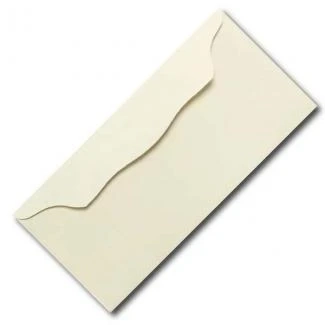
In today’s world, businesses and individuals are becoming increasingly conscious of their environmental impact. One small yet meaningful switch that is gaining massive popularity is the use of recycled envelopes. Whether it’s for sending invoices, marketing materials, greeting cards, or personal letters, recycled envelopes offer a sustainable alternative that reduces waste, conserves natural resources, and helps build an eco-friendly brand identity.
Although the digital era has transformed the way we communicate, the need for physical mail has never fully disappeared. E-commerce, direct mail marketing, corporate communication, and personal gifting still rely heavily on printed materials. This makes the choice of envelope—often overlooked—an important part of sustainability efforts. By choosing recycled envelopes, you contribute to the circular economy and support the mission of reducing environmental damage caused by paper production.
In this detailed guide, we will explore what makes recycled envelopes so valuable, their types, benefits, uses, and why they are quickly becoming a must-have for conscious consumers and responsible businesses.
What Are Recycled Envelopes?
Recycled envelopes are envelopes made from post-consumer or post-industrial waste paper. Instead of cutting down fresh trees to make paper, manufacturers process discarded paper products—such as newspapers, cardboard, office waste, and magazines—to create new paper material.
Depending on the brand and manufacturing process, recycled envelopes may contain:
- 100% recycled content
- A combination of recycled and virgin fibers
- Post-consumer recycled (PCR) content, which is the most environmentally valuable
These envelopes come in various textures, weights, and finishes, making them suitable for both business and personal use. They offer the same functionality and durability as conventional envelopes while leaving a smaller environmental footprint.
Why Recycled Envelopes Matter in Today’s World
The increasing popularity of recycled envelopes is not just a trend—it’s a necessity. Traditional paper production involves cutting trees, using large amounts of water, and generating significant carbon emissions. This process contributes to deforestation, climate change, and natural resource depletion.
By contrast, recycled envelopes:
- Reduce landfill waste
- Save trees and natural resources
- Require less energy in production
- Lower overall carbon emissions
- Support the global recycling ecosystem
In a world striving toward sustainability, every small choice creates a ripple effect. Even a simple envelope can be part of a bigger movement toward a greener future.
Top Benefits of Choosing Recycled Envelopes
1. Environmentally Friendly Material Use
Recycled envelopes minimize the demand for virgin trees. Each ton of recycled paper saves approximately 17 trees, thousands of gallons of water, and reduces energy consumption by nearly 60%. This makes these envelopes one of the easiest eco-friendly steps you can take.
2. Cost-Effective for Businesses
Contrary to popular belief, recycled envelopes are often priced competitively with regular envelopes. As demand grows and production becomes more efficient, recycled options are increasingly budget-friendly. For businesses mailing in bulk, this translates into significant savings without sacrificing quality.
3. Ideal for Sustainable Branding
Consumers today align themselves with brands that value sustainability. Using recycled envelopes for packaging, billing, or marketing shows responsibility and helps strengthen your brand’s green image. It communicates your commitment to the planet in a subtle yet powerful way.
4. Available in Multiple Sizes and Styles
Recycled envelopes come in a wide range of options, including:
- Standard business envelopes
- Window envelopes
- Catalog envelopes
- Square and invitation envelopes
- Padded or mailer envelopes
- Custom-printed recycled envelopes
This versatility ensures that no matter your requirement, there’s a recycled option to match.
5. Excellent Printing Compatibility
Modern recycled envelopes work well with inkjet printers, laser printers, and commercial printing machinery. Whether you need to print logos, addresses, or custom artwork, the quality remains sharp and professional.
Types of Recycled Envelopes You Can Choose From
With the growing shift toward sustainability, manufacturers now offer a broad range of recycled envelope types, each tailored to different uses.
1. Kraft Recycled Envelopes
Made from recycled kraft paper, these envelopes have a natural brown appearance. They are durable, rustic, and perfect for e-commerce packaging, creative mailers, and eco-focused brands.
2. White Recycled Envelopes
These envelopes go through eco-friendly bleaching or whitening processes. They are widely used for business mail, statements, and corporate communication.
3. Padded Recycled Envelopes
For shipping delicate items, padded envelopes made from recycled material offer protection while reducing waste. Many contain recycled lining instead of plastic bubble wrap.
4. Recycled Window Envelopes
Featuring transparent windows made from biodegradable or recyclable materials, these are ideal for billing and mailing addresses.
5. Custom Printed Recycled Envelopes
Business logos, artwork, return addresses, or promotional messages can be printed on recycled envelopes, making them both functional and brand-building.
Why Businesses Are Switching to Recycled Envelopes
Eco-minded consumers expect it
Customers today prefer eco-friendly brands. Using recycled envelopes in packaging, marketing, and communication helps you align with modern expectations and strengthens trust.
Corporate sustainability goals
Many companies are adopting ESG (Environmental, Social, and Governance) policies. Switching to recycled envelopes can help reach these targets quickly and effectively.
Supports circular economy
Using recycled materials reduces the need for raw resources and encourages more recycling activity in communities.
Enhances brand reputation
A small detail like an eco-friendly envelope can reinforce your brand identity and create a positive impression.
Creative Uses of Recycled Envelopes
Recycled envelopes are not limited to traditional mailing. Many people and businesses use them creatively:
- Gift envelopes for weddings, events, and celebrations
- Stationery sets for eco-friendly personal writing
- Packaging sleeves for small products or handmade goods
- Custom branding for cafés, boutiques, and online shops
- Arts and crafts such as scrapbooking or journaling
Their aesthetic appeal also complements minimalistic and natural design styles.
How to Choose the Right Recycled Envelopes
When selecting the perfect recycled envelopes, consider:
✔ Paper Weight
Heavier paper offers more durability, while lighter paper is ideal for everyday mail.
✔ Percentage of Recycled Content
Higher PCR (post-consumer recycled) content equals greater sustainability.
✔ Size and Style
Choose according to your mailing needs—A2, A6, DL, catalog, square, or custom sizes.
✔ Color and Finish
Kraft, white, textured, matte, or premium finishes allow you to match your brand identity.
✔ Printing Needs
Ensure the envelopes are compatible with your printer type if you plan to custom print them.
The Future of Recycled Envelopes
As sustainability becomes a global priority, recycled envelopes will continue to evolve. Manufacturers are adopting greener technologies, biodegradable window films, and even zero-waste processes.
With consumers becoming more environmentally aware and businesses striving to reduce their carbon footprint, recycled envelopes will play an increasingly important role in ethical communication and packaging.
Their growing popularity also encourages more recycling efforts, making them an essential part of the circular economy. The future holds promising innovation—better textures, stronger materials, eco-friendly adhesives, and more stylish designs.