



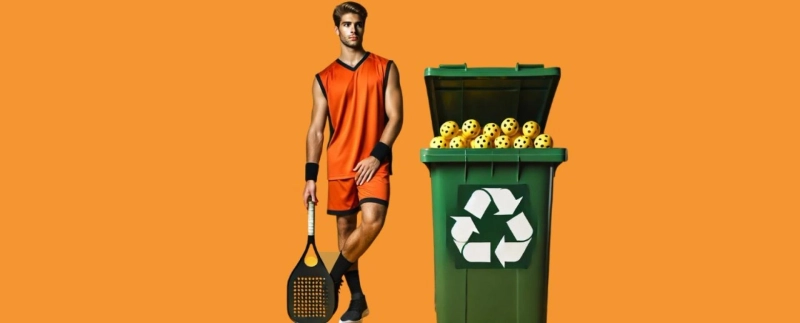
Pickleball has captured the hearts of millions, becoming one of the fastest-growing sports across the world. Yet, with this rapid growth comes an important question: What happens to all the used pickleball equipment?
As players hit courts every day, countless balls are cracked, dented, and discarded, most ending up in landfills. The need to recycle pickleballs has never been more urgent.
Thanks to rising awareness around sustainability, pickleball recycling efforts are beginning to reshape how players and brands think about the sport’s environmental footprint.
Why Recycling Pickleballs Matters
Pickleballs are made from tough plastics like polypropylene and polyethylene—materials built for durability but not for easy decomposition. A single pickleball can sit in a landfill for centuries without breaking down naturally.
With over 36 million players in the U.S. alone, the number of discarded pickleballs adds up fast. Millions of balls are used, replaced, and thrown away each year, especially because outdoor balls are prone to cracking under tough conditions.
And because standard curbside recycling programs typically don’t accept these plastics, most players unknowingly contribute to growing waste.
By embracing programs to recycle pickleballs, players can help minimize plastic pollution and protect the future of the game and the planet.
What It Means to Recycle Pickleballs
Recycling pickleballs isn’t just about tossing them into a bin—it’s about creatively rethinking their lifecycle. Here's what recycled pickleball initiatives are beginning to look like:
- Specialized Recycling Programs: Some companies and nonprofits have launched take-back initiatives, allowing players to send old balls and paddles to dedicated recycling centers.
- Eco-Friendly Manufacturing: Leading brands are now incorporating recycled materials into their pickleball ball production, reducing reliance on virgin plastics.
- Creative Reuse: Players and clubs are finding imaginative ways to repurpose old balls—turning them into training aids, craft projects, garden markers, and even dog toys.
Players and clubs are finding imaginative ways to repurpose old balls—turning them into training aids, craft projects, garden markers, and even dog toys. For more practical ideas and a deeper look into the recycling process, check out this guide on how to recycle pickleballs effectively.
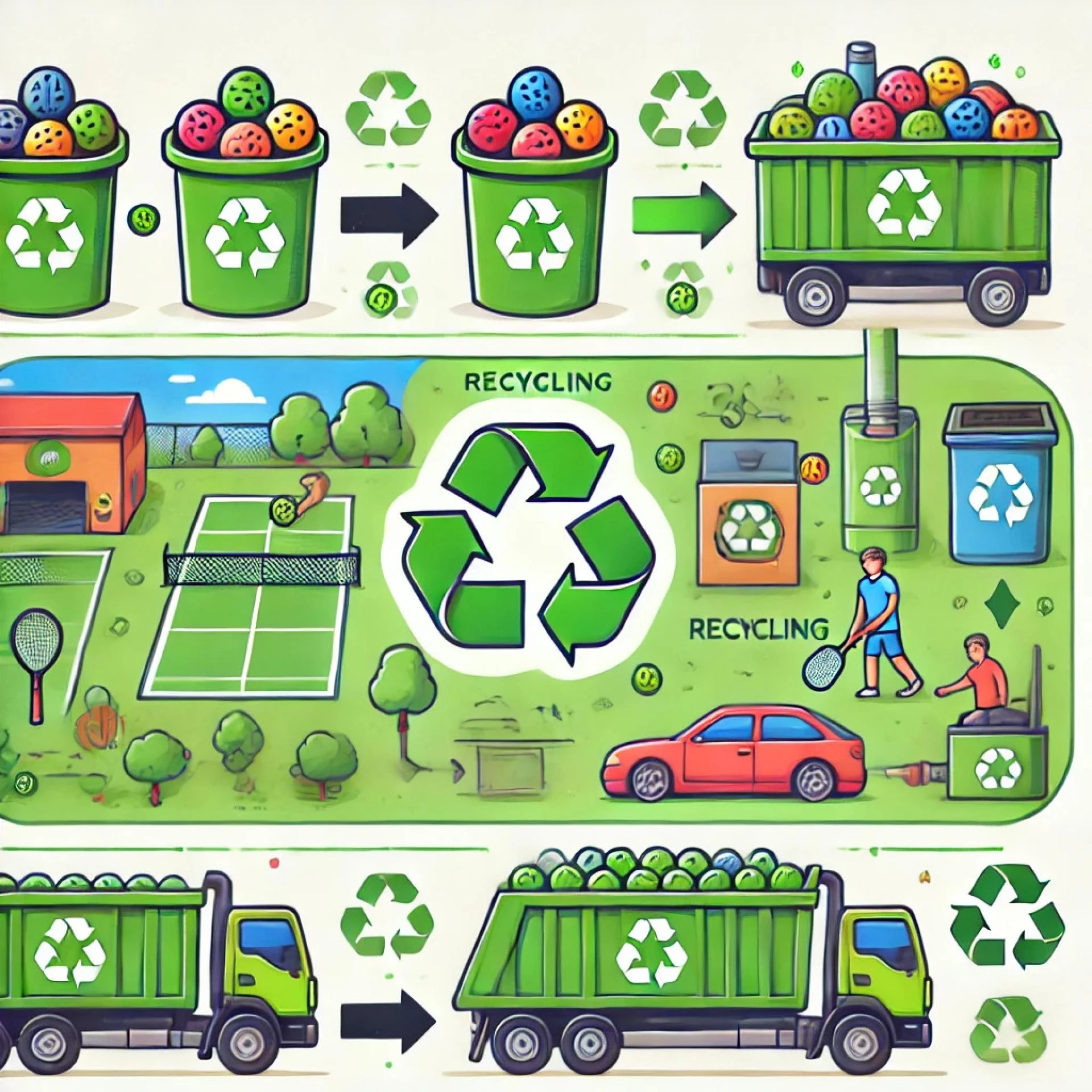
The idea isn’t just recycling—it's building a culture of reuse, repurpose, and rethink.
How Recycling Pickleballs Is Making an Impact
The movement to recycle pickleballs is already changing the game in a few key ways:
- Reducing Plastic Waste: Fewer balls ending up in landfills means a direct reduction in long-term plastic pollution.
- Supporting a Circular Economy: Instead of a throwaway model, recycling encourages a loop where materials are continually reused, saving resources and reducing emissions.
- Creating a Greener Pickleball Culture: Clubs, players, and brands are now proudly embracing eco-friendly habits—from hosting recycling drives to choosing sustainable equipment made from recycled materials.
The momentum behind recycled pickleball efforts is proving that you can be passionate about the sport while also protecting the environment.To keep your game strong and injury-free, check out these essential tips for preventing pickleball injuries.
Real Examples Leading the Way
Several real-world programs and brands are already making pickleball recycling a reality:
- Recycled Ball Production: Some innovative manufacturers are producing new pickleballs using post-consumer recycled plastics—without sacrificing quality or performance.
- Take-Back Initiatives: A handful of clubs and pickleball brands offer programs where players can drop off used balls and paddles for proper recycling or upcycling.
- Community Recycling Drives: Pickleball communities around the country are organizing local efforts, encouraging players to collect and repurpose worn-out gear instead of throwing it away.
These efforts are helping ensure that sustainability becomes a built-in part of the pickleball lifestyle.
Easy Ways You Can Recycle Pickleballs
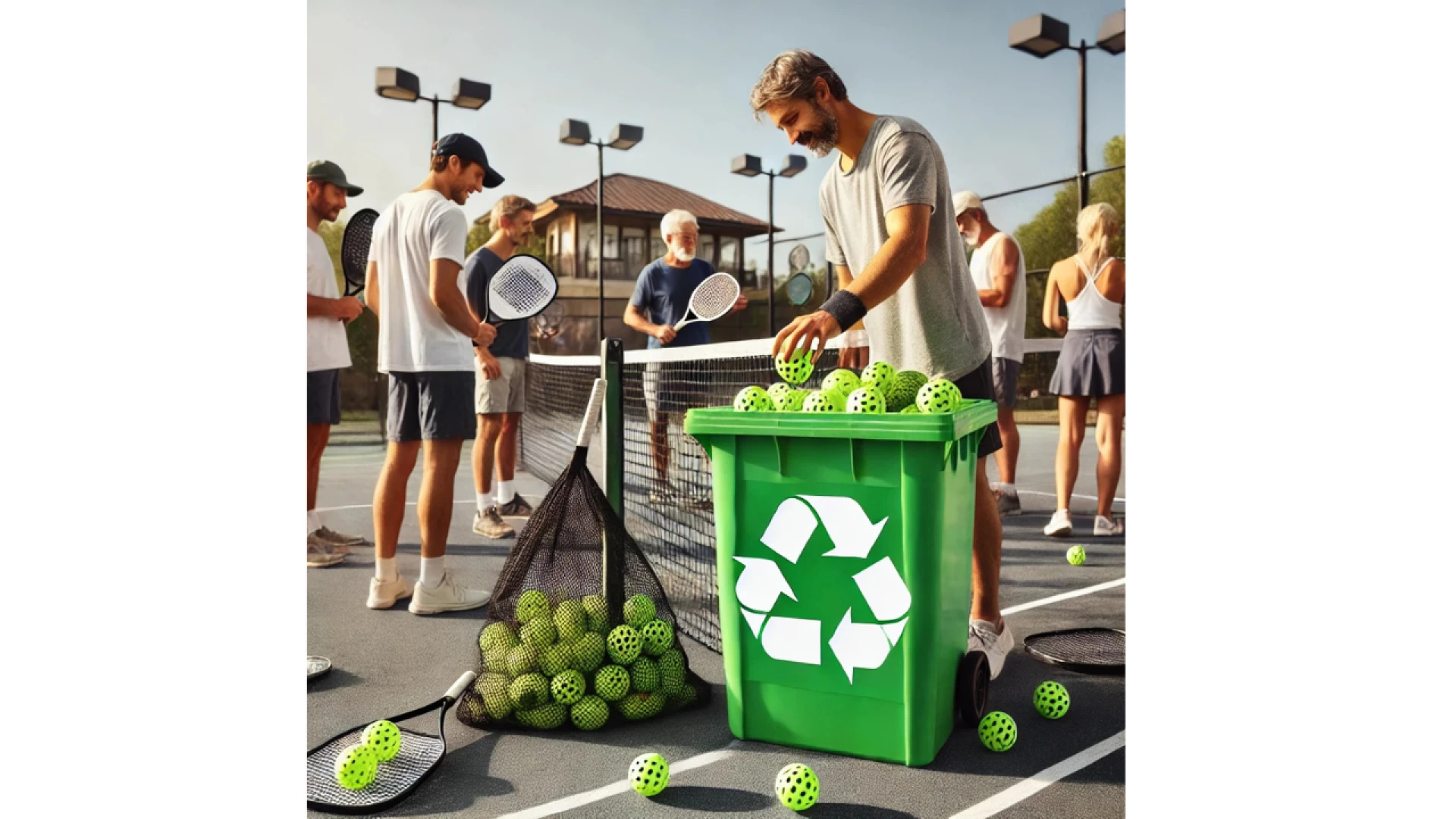
Want to be part of the solution? Here are simple ways to support pickleball recycling efforts:
- Buy Sustainable Gear: Support brands that use recycled or eco-friendly materials.
- Repurpose Old Balls:Turn worn balls into practice equipment, DIY home projects, or donate them to schools and charities.
- Join Recycling Programs: Encourage your local clubs or recreation centers to set up collection bins for used balls and paddles.
- Spread Awareness: Talk to fellow players about the importance of recycling pickleballs and share resources on where to recycle.
Even small steps make a big impact when multiplied across the millions who love this sport.
A Greener Future for Pickleball
The movement to recycle pickleballs is still growing, but its impact is already visible. As more players, brands, and venues prioritize sustainability, pickleball has the potential to become a leader in green practices within the sports world.
From using recycled materials to building community-driven initiatives, recycling pickleballs isn't just an option anymore—it's a responsibility.
Choosing to recycle, repurpose, and reuse means you're investing not only in the future of pickleball but also in the health of our planet.
Every serve, every volley, every smash can now carry a greater meaning.
The future of pickleball is fast, fun, and increasingly, greener.