



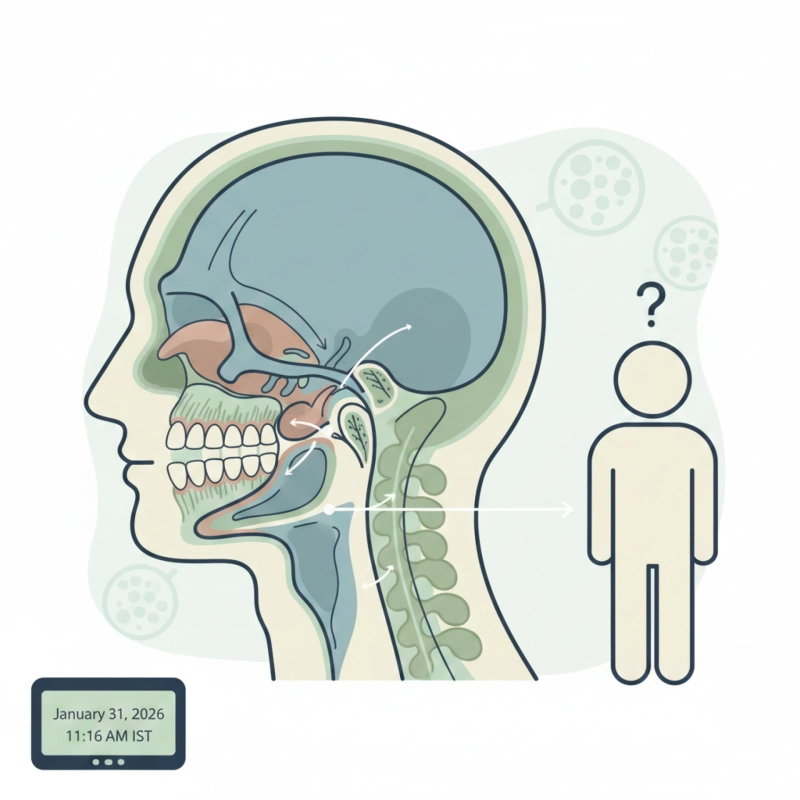
A diagnosis of head and neck cancer often brings not only concerns about survival but also worries about appearance, speech, and daily function. After tumor removal, many patients require reconstructive surgery to restore both aesthetics and function. Thanks to advances in surgical techniques, patients can regain confidence, maintain vital functions, and improve their quality of life.
Consulting an experienced head and neck cancer specialist near Ahmedabad is crucial for planning surgery that addresses both cancer control and reconstruction.
Why Reconstructive Surgery Is Needed
Surgical removal of tumors in the head and neck area often involves removing part of the tongue, jaw, cheek, palate, or other structures. While this is necessary to eliminate cancer, it can lead to:
- Facial disfigurement
- Difficulty speaking, swallowing, or chewing
- Loss of sensation or movement
- Psychological distress
Reconstructive surgery aims to restore both appearance and function. By using modern techniques, surgeons can replace lost tissues, rebuild facial structures, and improve quality of life.
Goals of Reconstructive Surgery
The main goals of reconstructive surgery include:
- Aesthetic Restoration
- Rebuilding facial symmetry and contours
- Reducing visible scarring and disfigurement
- Functional Restoration
- Restoring the ability to speak clearly
- Improving swallowing and chewing
- Maintaining airway safety
- Psychological Recovery
- Enhancing self-esteem and confidence
- Supporting emotional well-being
An experienced head and neck cancer specialist near Ahmedabad ensures that reconstruction is planned alongside tumor removal for optimal results.
Types of Reconstructive Surgery
Reconstruction depends on the location and extent of tissue removal, as well as the patient’s overall health. Common techniques include:
1. Local Flap Reconstruction
- Tissue from an area adjacent to the tumor site is used to cover the defect
- Useful for small to medium-sized defects in the oral cavity, lips, or cheeks
- Preserves blood supply and reduces risk of tissue loss
2. Regional Flap Reconstruction
- Tissue from a nearby region, such as the neck or shoulder, is used
- Can restore larger defects while maintaining function
- Examples include the pectoralis major flap or trapezius flap
3. Free Flap Reconstruction
- Tissue is completely detached from one part of the body (like the forearm, thigh, or fibula) and transplanted to the defect site
- Blood vessels are reconnected using microsurgery
- Allows reconstruction of complex structures like the jaw, tongue, or palate
- Often combined with bone or cartilage grafts for structural support
4. Prosthetic Reconstruction
- When surgical reconstruction is not possible or preferred, prosthetic devices can replace missing structures
- Examples include obturators for palate defects or facial prostheses
- Improves appearance and function, especially for speech and chewing
Reconstructing Specific Areas
1. Tongue
- Small defects may be closed with local flaps
- Larger defects may require free flaps from the forearm or thigh
- Goals: preserve speech, swallowing, and taste
2. Jaw (Mandible)
- Bone grafts or free fibula flaps restore the jaw’s shape and strength
- Allows for dental implants later to support teeth
- Essential for chewing and facial symmetry
3. Cheeks and Lips
- Local or regional flaps restore facial contour and lip movement
- Functional reconstruction ensures the ability to speak, smile, and eat normally
4. Palate and Oral Cavity
- Obturators or tissue flaps close defects in the roof of the mouth
- Restores separation between the mouth and nasal cavity, improving speech and swallowing
The Role of a Head and Neck Cancer Specialist
A head and neck cancer specialist near Ahmedabad plays a vital role in:
- Coordinating tumor removal and reconstruction
- Choosing the best reconstructive technique for each patient
- Ensuring both oncological safety and functional outcomes
- Collaborating with a multidisciplinary team including radiation oncologists, dental specialists, and speech therapists
This integrated approach ensures patients receive comprehensive care from tumor removal through full recovery.
The Reconstructive Surgery Process
1. Preoperative Planning
- Detailed imaging and tumor mapping
- Assessment of patient’s overall health and tissue availability
- Planning functional outcomes, such as speech and swallowing
2. Surgery
- Tumor removal and defect creation
- Immediate reconstruction using flaps, grafts, or prosthetics
- Microsurgical techniques if free flaps are used
3. Postoperative Care
- Hospital stay: usually 5–10 days depending on complexity
- Pain management and wound care
- Monitoring for flap viability, infection, and healing
Recovery and Rehabilitation
Recovery after reconstructive surgery involves:
1. Wound Healing
- Initial swelling, bruising, and discomfort are common
- Proper oral hygiene and wound care prevent infection
2. Speech and Swallowing Therapy
- Early rehabilitation helps restore function
- Speech therapists provide exercises for articulation and swallowing
3. Nutrition Support
- Soft or liquid diet initially
- Gradual progression to solid foods as swallowing improves
4. Emotional Support
- Psychological counseling helps patients cope with changes in appearance and function
- Support groups provide shared experiences and encouragement
Benefits of Reconstructive Surgery
Reconstructive surgery after tumor removal offers multiple benefits:
- Improved appearance: Reduces visible scarring and facial asymmetry
- Restored function: Enhances speech, swallowing, and chewing
- Better quality of life: Patients regain confidence and independence
- Integration with other treatments: Surgery can be combined with radiation or chemotherapy for comprehensive cancer control
Potential Risks
As with any surgery, there are risks, including:
- Infection or wound breakdown
- Partial flap loss
- Bleeding or hematoma
- Temporary or permanent nerve damage affecting sensation or movement
- Need for secondary procedures for refinement
An experienced head and neck cancer specialist near Ahmedabad can minimize these risks and guide patients through recovery.
Preparing for Reconstructive Surgery
Patients can take steps to prepare:
- Discuss goals and expectations with the surgeon
- Arrange home support for early recovery
- Maintain good nutrition and oral hygiene before surgery
- Prepare mentally for rehabilitation and follow-up therapy
Final Thoughts
Reconstructive surgery is a critical part of head and neck cancer treatment, addressing both aesthetic and functional needs after tumor removal. Modern techniques, including local, regional, and free flap reconstructions, allow patients to regain confidence, maintain vital functions, and improve overall quality of life.
Consulting a skilled head and neck cancer specialist near Ahmedabad ensures that reconstruction is planned alongside tumor removal, optimizing both cancer control and recovery. With the right surgical expertise, multidisciplinary support, and rehabilitation, patients can return to daily life with restored appearance, speech, and swallowing function.